Hey there, fellow plant enthusiasts and farmers! I'm a supplier of bentazone, and today I want to dive deep into how this herbicide affects the root system of plants. It's a topic that's super important, especially if you're looking to use bentazone effectively in your fields or gardens.

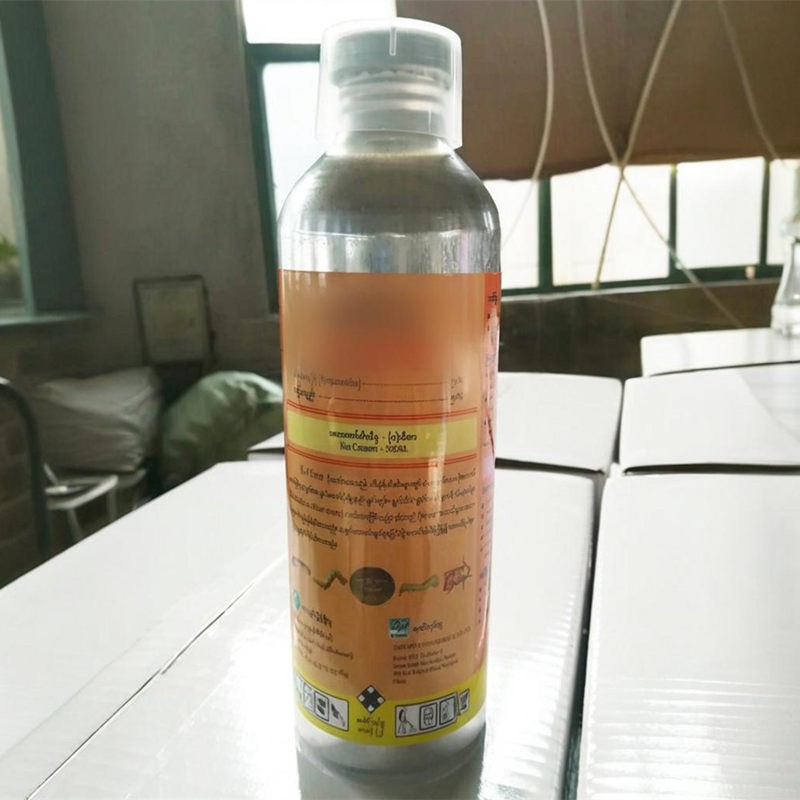
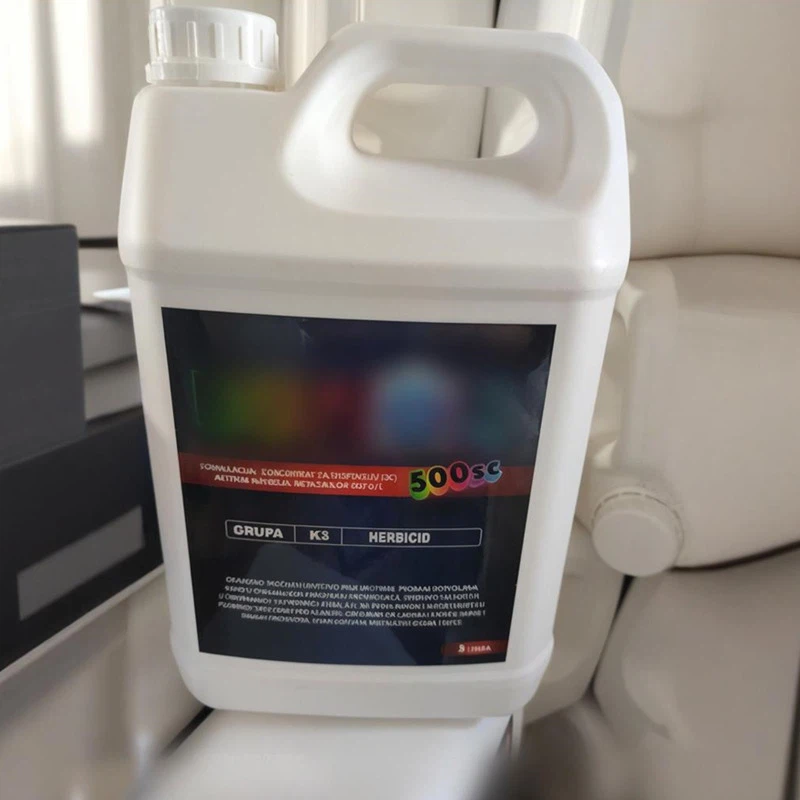
First off, let's talk a bit about what bentazone is. Bentazone is a widely - used herbicide that's known for its selective action. It's great at controlling a variety of broad - leaf weeds and some sedges, while leaving many crops relatively unharmed. You can check out our Bentazone 480G/L SL product, which is a popular formulation in the market.
Now, onto the root system. The root system of a plant is like its foundation. It's responsible for absorbing water, nutrients, and providing stability to the plant. When bentazone comes into the picture, things can get a bit complicated.
One of the primary ways bentazone affects the root system is through its mode of action. Bentazone is a contact - acting herbicide. When it comes into contact with the leaves of a target weed, it gets absorbed and then translocated within the plant. However, it doesn't always stay put in the leaves. Some of it can make its way down to the root system.
In susceptible weeds, bentazone disrupts the plant's normal physiological processes. It interferes with the photosynthesis process, specifically the electron transport chain in the chloroplasts. As the weed's ability to produce energy through photosynthesis is hampered, it starts to show signs of stress. This stress can then impact the root system. The weed may not be able to allocate enough resources to maintain and grow its roots properly. The root growth slows down, and in some cases, the roots may start to wither and die.
For example, in broad - leaf weeds like pigweed or lambsquarters, bentazone can cause a significant reduction in root biomass. These weeds rely on a healthy root system to compete with crops for water and nutrients. When bentazone attacks the root system, the weeds become weaker and less able to survive.
But what about the crops? Well, the beauty of bentazone is its selectivity. Most crops have a natural tolerance to bentazone. This means that when applied correctly, the herbicide won't cause significant damage to the crop's root system. However, it's not a one - size - fits - all situation.
Some factors can influence how a crop responds to bentazone in terms of its root system. The stage of growth of the crop is crucial. Young, emerging crops may be more sensitive to bentazone. Their root systems are still developing, and any stress from the herbicide can potentially stunt their growth. For instance, in soybean crops, if bentazone is applied too early in the growth stage, it might cause some temporary root growth inhibition. But usually, as the crop matures, it can recover and continue to develop a healthy root system.
The application rate of bentazone also matters. If you apply too much of it, even tolerant crops can experience problems. Over - application can lead to an excessive amount of the herbicide reaching the root zone. This can overwhelm the crop's tolerance mechanisms and cause damage to the roots. The roots may become less efficient at absorbing water and nutrients, leading to poor crop growth and reduced yields.
Another aspect to consider is the soil environment. The soil type, pH, and moisture content can all affect how bentazone behaves and how it impacts the root system. In sandy soils, bentazone may leach more easily. This means that it can move deeper into the soil profile and potentially come into contact with the roots of non - target plants or crops at a greater depth. In contrast, in clayey soils, bentazone may bind more tightly to the soil particles, reducing its mobility and the risk of root exposure.
The soil pH also plays a role. Bentazone is more soluble in acidic soils. This increased solubility can make it more available for root uptake. So, in acidic soils, there's a higher chance that the root system of both weeds and crops may be exposed to more bentazone.
Moisture is also key. If the soil is too dry when bentazone is applied, the herbicide may not be able to move effectively through the soil to reach the target weeds. On the other hand, if the soil is water - logged, the roots may be more vulnerable to the herbicide as they are already under stress from lack of oxygen.
When it comes to using bentazone to manage weeds without harming the crop's root system, proper application is essential. You need to follow the recommended application rates and timings. It's also a good idea to do a small - scale test on a portion of your field before applying bentazone to the entire area. This way, you can observe how the crops and weeds respond and make any necessary adjustments.
Now, let's talk about the long - term effects of bentazone on the root system. In the long run, if bentazone is used correctly over multiple growing seasons, it can help maintain a healthy balance in the field. By controlling weeds, the crop's root system has better access to water, nutrients, and space. This can lead to stronger, more productive crops.
However, if bentazone is misused or over - used, it can have negative long - term consequences. The repeated exposure of the root system to high levels of the herbicide can lead to the development of resistant weeds. These resistant weeds may have altered root characteristics that allow them to tolerate bentazone better. This can make it even more challenging to control them in the future.
In conclusion, bentazone can have a significant impact on the root system of plants, both weeds and crops. Its selectivity makes it a valuable tool for weed control, but it needs to be used with care. By understanding how it affects the root system and taking into account factors like crop growth stage, application rate, and soil environment, you can use bentazone effectively to protect your crops and keep your fields weed - free.
If you're interested in learning more about bentazone or are thinking about purchasing our Bentazone 480G/L SL product, don't hesitate to reach out for a procurement discussion. We're here to help you make the best decisions for your farming or gardening needs.
References
- "Herbicide Handbook" by Weed Science Society of America
- Research papers on bentazone's mode of action and its effects on plant roots published in journals like "Weed Science" and "Crop Protection"