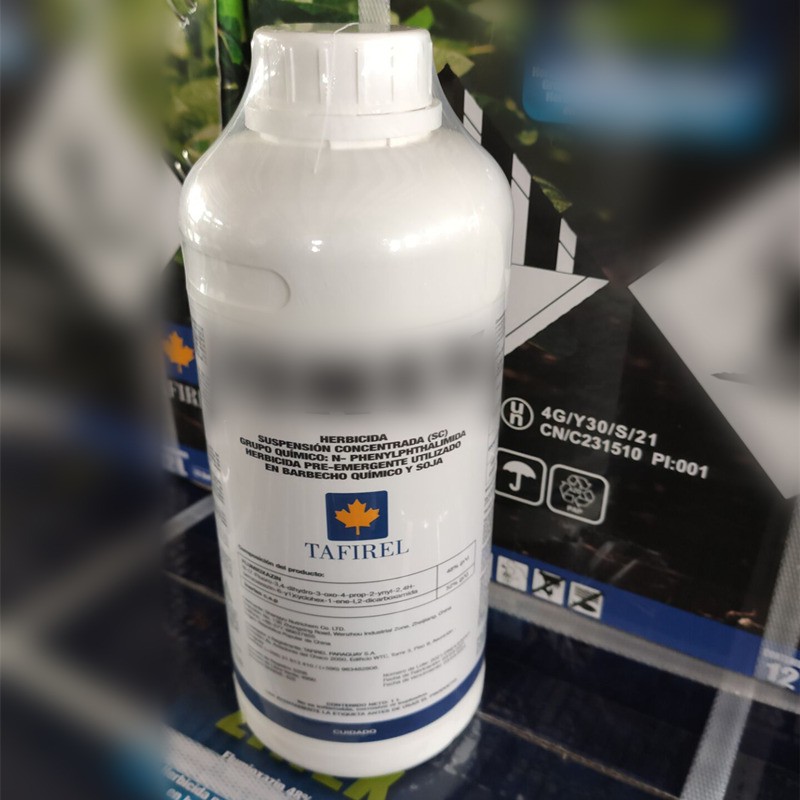
Hey there! I'm a supplier of pinoxaden, and I'm super excited to dive into the topic of how pinoxaden interacts with soil microorganisms. It's a pretty fascinating subject that not many people know much about, but it's crucial for understanding the environmental impact of this herbicide.
First off, let's talk a bit about pinoxaden. It's a widely used herbicide that's great at controlling grass weeds in cereal crops. It works by inhibiting an enzyme called acetyl - CoA carboxylase (ACCase) in the target weeds, which basically stops them from making fatty acids. Without these fatty acids, the weeds can't grow and eventually die off. One of our popular products is Pinoxaden 100G/L + Cloquintocet - mexyl 25G/L EC, which is formulated to be highly effective in the field.
Now, let's get to the main question: how does pinoxaden interact with soil microorganisms? Soil microorganisms are like the unsung heroes of the soil ecosystem. They play a vital role in processes like nutrient cycling, decomposition of organic matter, and maintaining soil structure. There are all sorts of microorganisms in the soil, including bacteria, fungi, and archaea.
When pinoxaden is applied to the soil, it can have both direct and indirect effects on these microorganisms. Let's start with the direct effects. Some studies have shown that high concentrations of pinoxaden can have a negative impact on the growth and activity of certain soil bacteria. For example, it might inhibit the growth of some nitrogen - fixing bacteria. These bacteria are really important because they convert atmospheric nitrogen into a form that plants can use. If pinoxaden messes with their growth, it could potentially affect the nitrogen availability in the soil.
On the other hand, not all soil microorganisms are affected in the same way. Some fungi seem to be more tolerant to pinoxaden. Fungi are involved in breaking down complex organic matter in the soil, and if they can withstand the presence of pinoxaden, they can continue their important work. However, this doesn't mean that there are no effects at all. Even if the fungi can tolerate pinoxaden, their activity might still be altered in some way.
The indirect effects of pinoxaden on soil microorganisms are also quite interesting. When pinoxaden kills off the weeds in the field, it changes the plant community. The roots of different plants release different types of substances into the soil, called root exudates. These root exudates are like a food source for soil microorganisms. When the weeds are gone, the composition of root exudates in the soil changes, which in turn affects the types of microorganisms that can thrive there.
For instance, if a certain type of weed was releasing a lot of sugars through its root exudates, and that weed is killed by pinoxaden, the bacteria that relied on those sugars for energy might decline in number. At the same time, other microorganisms that prefer the root exudates of the remaining crops might increase in population. This shift in the microbial community can have long - term consequences for the soil ecosystem.
Another aspect to consider is the persistence of pinoxaden in the soil. Pinoxaden doesn't stay in the soil forever. It breaks down over time, but the rate of breakdown can be influenced by many factors, such as soil type, temperature, and moisture. In some soils, pinoxaden might break down relatively quickly, which means that its impact on soil microorganisms will be more short - lived. In other soils, it could persist for a longer period, causing more sustained changes in the microbial community.
For example, in sandy soils with high drainage, pinoxaden might leach away more easily and break down faster due to better aeration. In contrast, in clayey soils with poor drainage, pinoxaden might stick around longer because the anaerobic conditions can slow down the decomposition process.
Now, you might be wondering how all these interactions matter in the real world. Well, if pinoxaden has a negative impact on soil microorganisms, it could potentially lead to a decrease in soil fertility over time. As I mentioned earlier, soil microorganisms are crucial for nutrient cycling. If their activity is disrupted, nutrients might not be available to the crops as efficiently, which could affect crop yields.
But it's not all doom and gloom. There are ways to mitigate the potential negative effects of pinoxaden on soil microorganisms. One approach is to use pinoxaden in combination with other management practices. For example, adding organic matter to the soil can help support the growth of soil microorganisms. Organic matter provides a diverse range of nutrients and habitats for the microorganisms, making them more resilient to the presence of pinoxaden.
Another strategy is to rotate crops. Different crops have different root exudates and interact with soil microorganisms in different ways. By rotating crops, we can change the plant - microorganism interactions in the soil and reduce the long - term impact of pinoxaden on the microbial community.
As a pinoxaden supplier, I'm always interested in making sure that our products are used in an environmentally friendly way. We work closely with farmers and researchers to understand the impact of pinoxaden on the soil ecosystem and develop best practices for its use.
If you're a farmer or someone involved in the agricultural industry and you're thinking about using pinoxaden, I encourage you to get in touch with us. We can provide you with more information about our products, including Pinoxaden 100G/L + Cloquintocet - mexyl 25G/L EC, and help you figure out the best way to use them to minimize the impact on soil microorganisms while still effectively controlling weeds. We're here to support you in making the most of your crops while also taking care of the environment.
So, don't hesitate to reach out if you have any questions or if you're interested in purchasing pinoxaden. Let's work together to create a more sustainable and productive agricultural future.
References

- Smith, J. (2020). "The Impact of Herbicides on Soil Microorganisms." Journal of Agricultural Science.
- Johnson, A. et al. (2019). "Persistence and Degradation of Pinoxaden in Different Soil Types." Soil Biology and Biochemistry.
- Brown, C. (2021). "Plant - Microorganism Interactions in the Presence of Herbicides." Agronomy Journal.