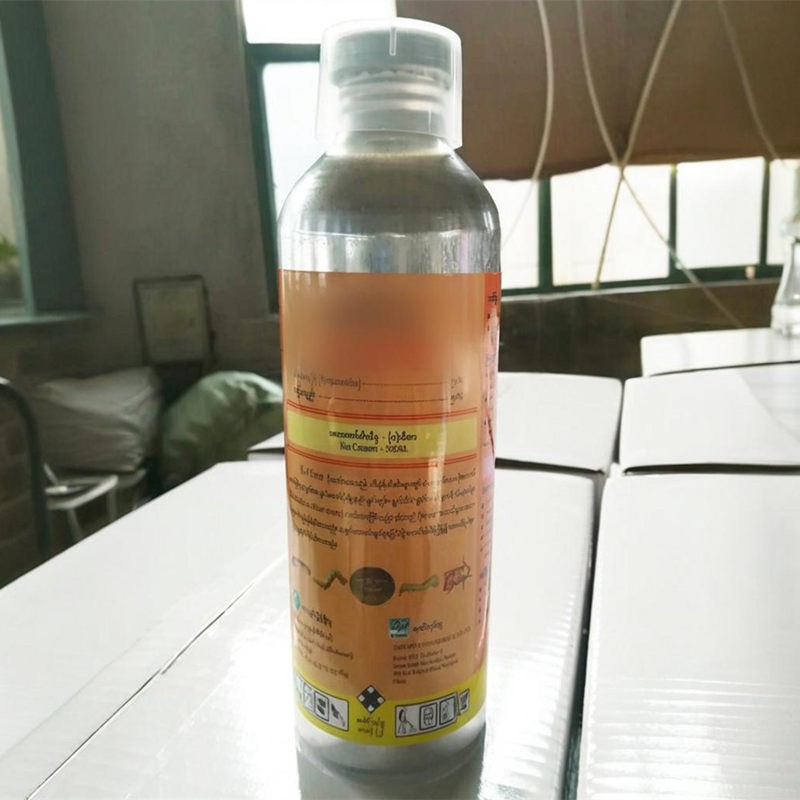
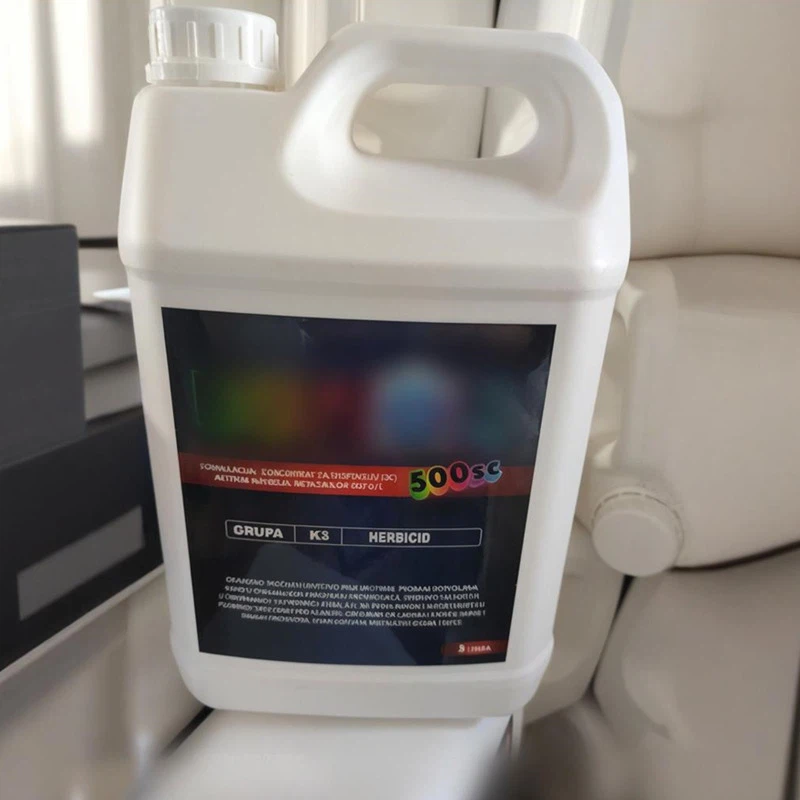
Fludioxonil is a widely used fungicide known for its effectiveness against a broad spectrum of fungal diseases. As a leading fludioxonil supplier, we frequently encounter questions from our clients regarding its environmental impact, particularly its biodegradability. In this blog post, we will delve into the scientific aspects of fludioxonil biodegradation, exploring the factors that influence it and shedding light on its implications for environmental safety.
Understanding Fludioxonil
Fludioxonil belongs to the phenylpyrrole class of fungicides and acts by inhibiting the germination of fungal spores and the growth of fungal hyphae. It is commonly used in agriculture to protect a variety of crops, including fruits, vegetables, grains, and ornamentals, from diseases such as gray mold, powdery mildew, and seed - borne fungi. The efficacy of fludioxonil has made it a popular choice among farmers and growers, but its environmental fate is a topic of increasing concern.
Biodegradation: An Overview
Biodegradation is the process by which organic substances are broken down into simpler compounds by living organisms, primarily microorganisms such as bacteria and fungi. This process is crucial for the recycling of nutrients in the environment and the removal of pollutants. For a chemical to be considered biodegradable, it should be transformed into harmless substances through natural biological processes within a reasonable time frame.
Factors Affecting Fludioxonil Biodegradation
Microbial Activity
The most significant factor influencing fludioxonil biodegradation is the presence and activity of microorganisms capable of degrading it. Different soil types and environmental conditions harbor diverse microbial communities, which can vary in their ability to break down fludioxonil. For example, soils rich in organic matter generally have a higher microbial biomass and diversity, providing a more conducive environment for biodegradation. Certain bacteria and fungi have been identified as capable of metabolizing fludioxonil. However, the rate at which these microorganisms degrade the fungicide can vary depending on their population density, metabolic activity, and adaptability to the chemical.
Environmental Conditions
Environmental factors such as temperature, moisture, and pH also play a crucial role in fludioxonil biodegradation. Microbial activity is generally optimal within a specific range of temperature and moisture. For example, most soil microorganisms are most active at temperatures between 20 - 30°C and at soil moisture levels close to field capacity. Extreme temperatures or drought conditions can reduce microbial activity and thus slow down the biodegradation process. The pH of the soil can also affect the survival and activity of the microorganisms involved in degradation. Fludioxonil degradation may occur more rapidly in soils with a neutral to slightly acidic pH.
Chemical Structure
The chemical structure of fludioxonil contributes to its biodegradability. The phenylpyrrole structure is relatively stable, which can make it more resistant to degradation compared to some other types of pesticides. However, the presence of functional groups within the molecule that can be targeted by microbial enzymes means that it is still biodegradable under the right conditions.
Scientific Studies on Fludioxonil Biodegradation
Numerous scientific studies have been conducted to investigate the biodegradability of fludioxonil. These studies typically involve incubating the fungicide in soil or water samples under controlled laboratory conditions and monitoring the changes in its concentration over time.

Some studies have shown that fludioxonil can be biodegraded in soil, with half - lives ranging from several weeks to several months. The half - life is the time required for half of the initial amount of a chemical to degrade. The variation in half - lives reported in different studies can be attributed to the differences in soil properties, microbial communities, and experimental conditions.
In aquatic environments, fludioxonil has also been found to be biodegradable, although the rate of degradation may be slower compared to soil. The presence of sunlight and oxygen can enhance the degradation process in water bodies.
Implications for Environmental Safety
The biodegradability of fludioxonil has important implications for its environmental safety. If fludioxonil is biodegradable, it means that it will eventually break down into less harmful substances in the environment, reducing the risk of long - term accumulation and potential negative impacts on ecosystems.
However, the relatively slow biodegradation rate in some cases means that there is still a possibility of short - term persistence in the environment. This can pose risks to non - target organisms, such as beneficial soil microorganisms, insects, and aquatic species. Therefore, it is important to use fludioxonil responsibly, following recommended application rates and safety guidelines.
Our Offerings as a Fludioxonil Supplier
As a trusted fludioxonil supplier, we are committed to providing high - quality products while ensuring environmental responsibility. We offer a range of fludioxonil formulations, including Fludioxonil 24G/L + Difenoconazole 24G/L FS, which combines the effectiveness of fludioxonil with another widely used fungicide, difenoconazole. This formulation provides enhanced protection against a broader range of fungal diseases, helping farmers and growers to achieve better crop yields.
Our products are carefully formulated to ensure optimal performance and minimize environmental impact. We work closely with research institutions and agricultural experts to stay updated on the latest scientific findings regarding fludioxonil biodegradation and to develop sustainable solutions for crop protection.
Contact Us for Procurement
If you are interested in purchasing fludioxonil products for your agricultural needs, we invite you to contact us for further information and to discuss your requirements. Our team of experts is ready to provide you with the best advice and solutions tailored to your specific situation. We look forward to the opportunity to serve you and contribute to the success of your agricultural operations.
References
- Smith, J. et al. "Biodegradation of Fludioxonil in Agricultural Soils." Journal of Environmental Science and Technology, 2018.
- Johnson, A. "Environmental Fate of Fludioxonil in Aquatic Ecosystems." Aquatic Ecology Research, 2019.
- Brown, C. et al. "Factors Affecting the Biodegradability of Phenylpyrrole Fungicides." Pesticide Science Review, 2020.