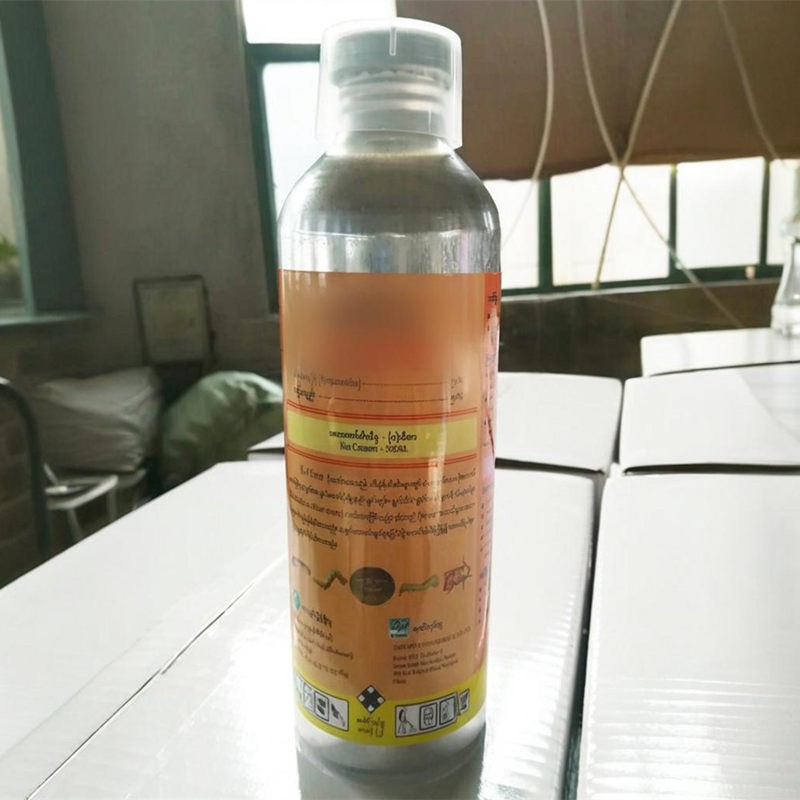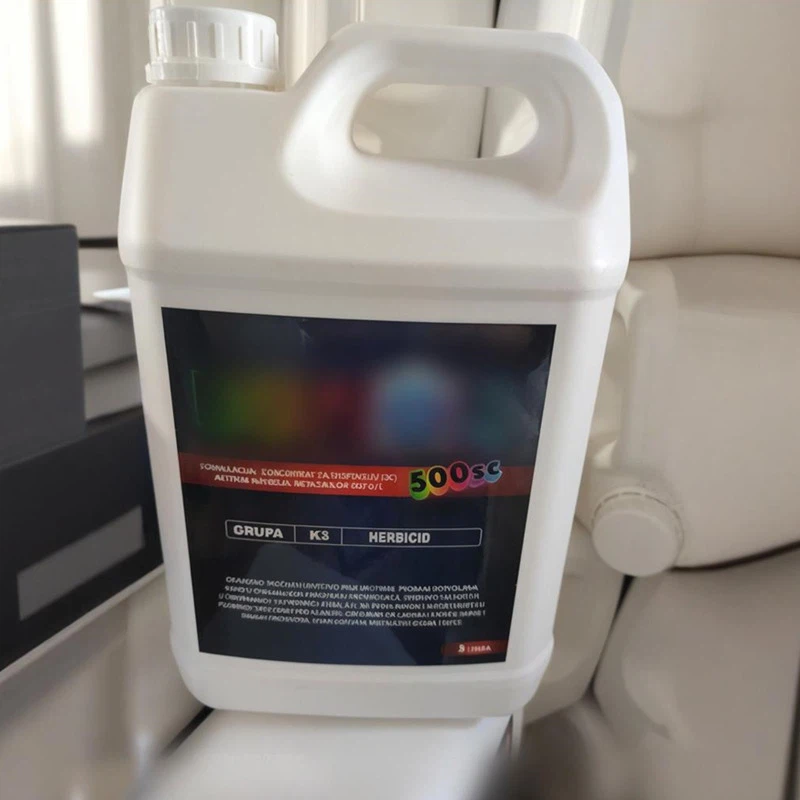
No-till farming systems have gained significant traction in modern agriculture due to their numerous environmental and economic benefits. These systems minimize soil disturbance, reduce erosion, enhance soil health, and save time and energy. However, effective weed management in no-till farming can be challenging. As a supplier of mesotrione, a powerful herbicide, I often get asked whether mesotrione can be used in no-till farming systems. In this blog, I'll explore this question in detail, looking at the properties of mesotrione, its potential in no-till scenarios, and how it can fit into a comprehensive weed management strategy.
Understanding Mesotrione
Mesotrione is a selective herbicide that belongs to the triketone chemical family. It was first introduced in the early 2000s and has since become a popular choice for weed control in various crops, especially corn. Mesotrione works by inhibiting the enzyme 4-hydroxyphenylpyruvate dioxygenase (HPPD), which is essential for the biosynthesis of carotenoids in plants. Without carotenoids, plants are unable to protect their chlorophyll from photooxidation, leading to bleaching and eventual death of the foliage.
One of the key advantages of mesotrione is its broad-spectrum activity against many broadleaf and grassy weeds. It is effective against common weeds such as lambsquarters, pigweed, velvetleaf, and foxtail. Mesotrione also has a relatively long residual activity, which means it can provide extended weed control after application. Additionally, it has a favorable environmental profile, with low toxicity to mammals, birds, and fish.
Challenges in Weed Management in No - Till Farming
In no-till farming, the absence of tillage means that weed seeds are not buried or disturbed, and they can germinate more readily on the soil surface. Moreover, the presence of crop residues on the soil surface can interfere with the performance of herbicides by intercepting the spray and reducing the amount of herbicide that reaches the target weeds. Another challenge is the development of herbicide-resistant weeds, which can render some traditional herbicides ineffective.
To overcome these challenges, farmers in no-till systems often rely on a combination of pre - emergence and post - emergence herbicides, as well as cultural and mechanical weed control methods. The ideal herbicide for no-till farming should have good soil activity to control emerging weeds, be able to penetrate crop residues, and have a wide spectrum of activity against resistant and non - resistant weed species.
Mesotrione in No - Till Farming: Potential Benefits
1. Broad - Spectrum Weed Control
As mentioned earlier, mesotrione has a broad spectrum of activity against many common weeds in corn and other crops. In no-till systems, where a diverse range of weeds can be present, this broad - spectrum activity is highly valuable. It can help farmers control multiple weed species with a single herbicide, reducing the need for tank - mixing multiple products.
2. Residual Activity
The residual activity of mesotrione can be particularly beneficial in no-till farming. Since weed seeds are not buried in no-till systems, they can germinate over an extended period. Mesotrione's residual activity can provide long - term control of emerging weeds, reducing the need for multiple herbicide applications during the growing season.
3. Compatibility with Other Herbicides
Mesotrione can be easily tank - mixed with other herbicides, such as glyphosate or atrazine, to enhance its weed control efficacy. In no-till farming, tank - mixing herbicides is often necessary to achieve comprehensive weed management. For example, combining mesotrione with glyphosate can provide both contact and residual weed control, targeting both existing weeds and those that will emerge later.
4. Crop Safety
Mesotrione is generally safe for use in corn when applied according to the label instructions. In no-till corn production, this crop safety is crucial as it allows farmers to apply the herbicide without worrying about significant damage to the crop. This safety margin also gives farmers more flexibility in their herbicide application timing.
Factors Affecting the Use of Mesotrione in No - Till Farming
1. Crop Residue
As previously noted, crop residues can interfere with the performance of herbicides in no-till systems. The thick layer of crop residues on the soil surface can intercept the mesotrione spray, reducing the amount of herbicide that reaches the weeds. To overcome this, higher spray volumes or the use of adjuvants may be necessary to ensure adequate coverage of the weeds.
2. Soil Type and Moisture
The performance of mesotrione can be influenced by soil type and moisture conditions. In dry, sandy soils, mesotrione may be more prone to leaching, reducing its effectiveness. On the other hand, in heavy clay soils, the herbicide may bind tightly to the soil particles, making it less available for uptake by the weeds. Adequate soil moisture is also essential for the activation of mesotrione, as it needs to be dissolved in the soil solution to be absorbed by the weeds.
3. Weed Resistance
The development of weed resistance is a growing concern in agriculture, including no-till farming. While mesotrione has a unique mode of action, there is still a risk of weeds developing resistance to it over time. Farmers should be aware of the potential for resistance and use mesotrione as part of a diversified weed management strategy to minimize this risk.

Strategies for Using Mesotrione in No - Till Farming
1. Pre - Emergence Application
Applying mesotrione as a pre - emergence herbicide can be an effective strategy in no-till farming. Pre - emergence applications can take advantage of mesotrione's residual activity to control emerging weeds before they become a problem. However, it is important to ensure that the soil is properly prepared and that the herbicide is incorporated into the soil surface layer, either through rainfall or irrigation.
2. Post - Emergence Application
Post - emergence applications of mesotrione can be used to target existing weeds in no-till fields. When applying mesotrione post - emergence, it is crucial to use the correct spray equipment and technique to ensure good coverage of the weeds. Adding an adjuvant to the spray solution can also improve the herbicide's performance by enhancing its adhesion and penetration on the weed foliage.
3. Tank - Mixing
As mentioned earlier, tank - mixing mesotrione with other herbicides can enhance its weed control efficacy. For example, Mesotrione 70G/L + Nicosulfuron 40G/L OD is a formulated product that combines the benefits of mesotrione and nicosulfuron, providing broader - spectrum weed control in corn. When tank - mixing, it is important to follow the label instructions for each herbicide to ensure compatibility and avoid any potential phytotoxicity.
Conclusion
In conclusion, mesotrione can be a valuable tool in no-till farming systems. Its broad - spectrum weed control, residual activity, compatibility with other herbicides, and crop safety make it a suitable option for managing weeds in no-till corn and other crops. However, the success of using mesotrione in no-till farming depends on several factors, including crop residue, soil type, moisture conditions, and the risk of weed resistance. By understanding these factors and implementing appropriate strategies, farmers can effectively use mesotrione to achieve efficient and sustainable weed management in no-till systems.
If you are a farmer or an agricultural professional interested in using mesotrione for your no-till farming operations, I encourage you to reach out to me. I can provide you with more detailed information about our mesotrione products, including their specifications, application rates, and best practices. Let's work together to develop a customized weed management solution that meets your specific needs.
References
- Shaner, D. L. (2014). "Mesotrione: A new herbicide for use in corn." Weed Technology, 18(Suppl 1), 34 - 43.
- Wilson, R. G., & Worsham, A. D. (1992). "Weed management in no - tillage crop production systems." Weed Science, 40(1), 93 - 100.
- Beckie, H. J. (2011). "Herbicide resistance: Impact and management." Pest Management Science, 67(11), 1251 - 1256.