Can Oxyfluorfen Be Used in Vegetable Gardens?
As a supplier of oxyfluorfen, I often receive inquiries from gardeners and farmers about the suitability of oxyfluorfen for use in vegetable gardens. Oxyfluorfen is a well - known herbicide that has been used in various agricultural settings for weed control. In this blog post, I will explore the aspects of using oxyfluorfen in vegetable gardens, including its effectiveness, safety, and proper usage.
What is Oxyfluorfen?
Oxyfluorfen is a pre - emergence and early post - emergence herbicide. It belongs to the diphenyl ether family of herbicides. Its mode of action involves inhibiting the protoporphyrinogen oxidase (PPO) enzyme in plants. This enzyme is crucial for the synthesis of chlorophyll and other pigments. When a weed absorbs oxyfluorfen, it disrupts the normal functioning of the plant's cells, leading to the formation of reactive oxygen species that damage cell membranes and ultimately cause the death of the weed.
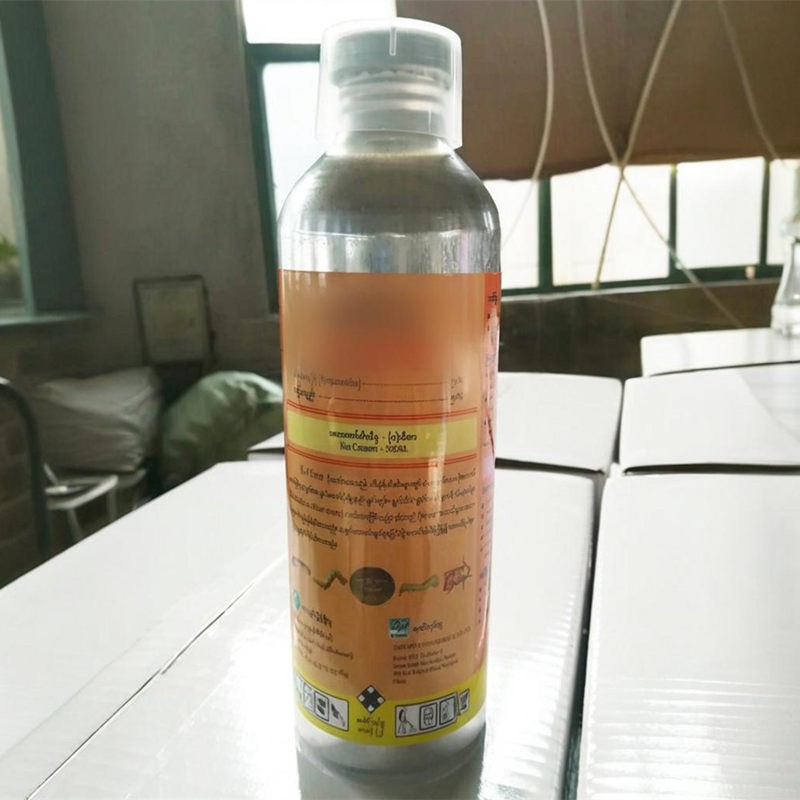
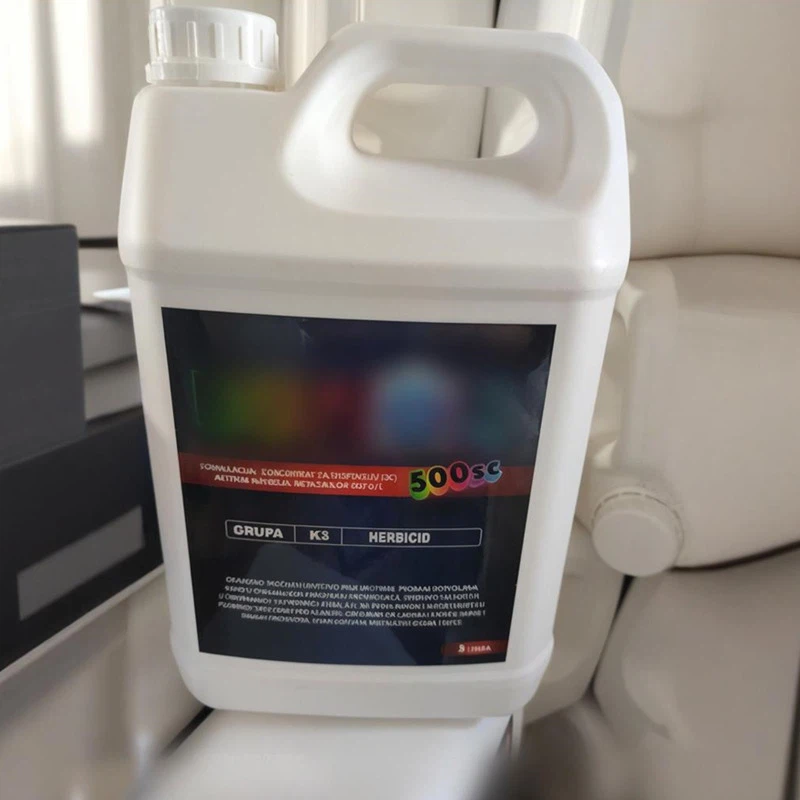
The Oxyfluorfen 240G/L EC is a common formulation available in the market. It is an emulsifiable concentrate, which means it can be easily mixed with water and applied using standard spraying equipment.
Effectiveness in Vegetable Gardens
One of the primary reasons gardeners are interested in using oxyfluorfen in their vegetable gardens is its effectiveness in weed control. Weeds compete with vegetables for nutrients, water, and sunlight, which can significantly reduce the yield and quality of the vegetables. Oxyfluorfen can effectively control a wide range of broad - leaf weeds and some grassy weeds.
When applied as a pre - emergence treatment, oxyfluorfen forms a chemical barrier in the soil. As weed seeds germinate and the emerging seedlings come into contact with the chemical, they are killed. This helps in preventing weed growth right from the start of the growing season. For early post - emergence applications, oxyfluorfen can target young and actively growing weeds, stopping their growth and development.
However, its effectiveness can vary depending on several factors. The type of soil, weather conditions, and the specific weed species present in the garden all play a role. For example, in sandy soils, oxyfluorfen may leach more quickly, reducing its residual activity. On the other hand, in heavy clay soils, it may take longer for the herbicide to become fully active.
Safety Considerations
Safety is a major concern when using any herbicide in a vegetable garden. After all, the vegetables grown in these gardens are intended for human consumption. Oxyfluorfen has been evaluated by regulatory agencies around the world, and when used according to the label instructions, it can be used safely in vegetable gardens.
It is important to note that oxyfluorfen has a relatively low toxicity to mammals. However, it can be toxic to fish and aquatic invertebrates. Therefore, care should be taken to avoid spraying near water bodies such as ponds, streams, or lakes.
Another aspect of safety is the waiting period between herbicide application and vegetable harvest. Different vegetables have different waiting periods specified on the product label. This waiting period ensures that any residues of the herbicide have degraded to safe levels before the vegetables are consumed. For example, some leafy vegetables may have a shorter waiting period compared to root vegetables.
Proper Usage in Vegetable Gardens
To ensure the safe and effective use of oxyfluorfen in vegetable gardens, proper application techniques are essential.
Pre - emergence Application:
- First, prepare the soil by tilling and removing any large debris. This helps in creating a uniform surface for the herbicide application.
- Mix the Oxyfluorfen 240G/L EC with water according to the recommended rate on the label. The rate may vary depending on the type of soil and the weed pressure.
- Use a calibrated sprayer to apply the herbicide evenly over the soil surface. Make sure to cover the entire area where the vegetables will be planted.
- After application, lightly incorporate the herbicide into the top layer of the soil. This can be done using a rake or a shallow tillage implement. This helps in preventing the herbicide from being washed away by rain or irrigation.
Early Post - emergence Application:
- For early post - emergence applications, it is important to target young weeds. Weeds that are too large may be less susceptible to the herbicide.
- Again, mix the herbicide with water as per the label instructions.
- When spraying, be careful to avoid direct contact with the vegetable plants. Shield the vegetables if necessary, especially if they are in a vulnerable stage of growth.
Compatibility with Different Vegetables
Not all vegetables are equally compatible with oxyfluorfen. Some vegetables may be more tolerant to the herbicide, while others may be sensitive.

- Tolerant Vegetables: Crops such as tomatoes, peppers, and eggplants are generally more tolerant to oxyfluorfen. These vegetables can withstand pre - emergence and early post - emergence applications without significant damage.
- Sensitive Vegetables: On the other hand, leafy greens like lettuce and spinach are more sensitive. Special care should be taken when considering using oxyfluorfen around these vegetables. In some cases, it may be best to avoid using it altogether or to use a very low rate.
Environmental Impact
In addition to the safety concerns related to human health, the environmental impact of using oxyfluorfen in vegetable gardens is also important. As mentioned earlier, oxyfluorfen can be toxic to aquatic life. Therefore, proper disposal of any unused herbicide and rinsate from spraying equipment is crucial.
It is also important to consider the long - term effects on the soil ecosystem. While oxyfluorfen is designed to target weeds, it can also have some impact on beneficial soil organisms such as earthworms and soil microbes. However, when used at the recommended rates, the impact on these organisms is usually minimal.
Conclusion
In conclusion, oxyfluorfen can be used in vegetable gardens, but it requires careful consideration of its effectiveness, safety, and proper usage. When used correctly, it can be a valuable tool for weed control, helping gardeners to grow healthy and productive vegetables.
If you are interested in purchasing oxyfluorfen for your vegetable garden or have any questions about its use, please feel free to contact us. We are here to provide you with the necessary information and support to ensure the successful use of our products.
References
- Product label of Oxyfluorfen 240G/L EC
- Agricultural chemical research publications on oxyfluorfen
- Regulatory agency reports on the safety and use of oxyfluorfen in agriculture.