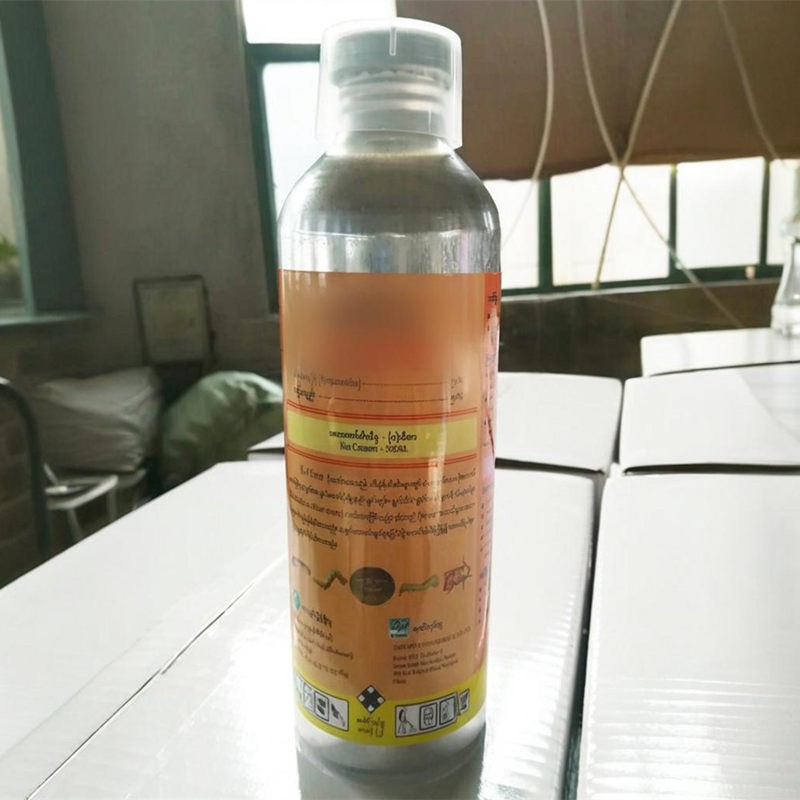
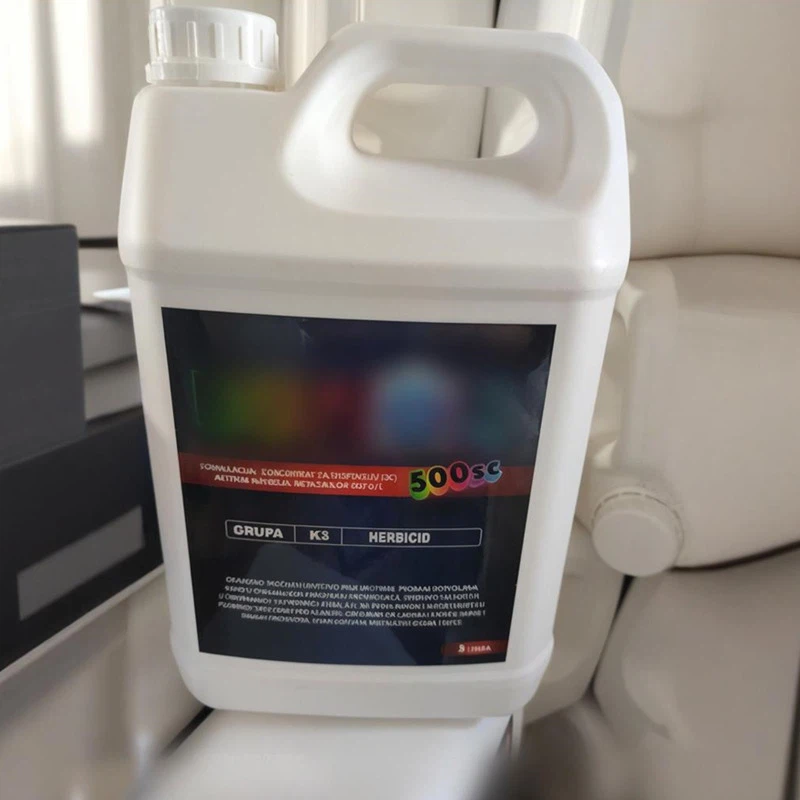
Hey there! As a supplier of fludioxonil, I often get asked about its safety data sheet. So, I thought I'd take the time to break it down for you and explain what it all means.
First off, let's talk about what a safety data sheet (SDS) is. It's basically a document that provides detailed information about a chemical substance, including its properties, hazards, handling, storage, and emergency procedures. In the case of fludioxonil, the SDS is a crucial resource for anyone who works with or around this fungicide.
Identification
The first section of the SDS typically includes information about the product, such as its name, synonyms, manufacturer, and emergency contact information. For fludioxonil, you'll find details about the specific formulation you're using, as well as the company that produced it. This section also provides the product code or batch number, which can be important for tracking and quality control purposes.
Hazard Identification
This is one of the most important sections of the SDS, as it outlines the potential hazards associated with fludioxonil. Fludioxonil is classified as a low-toxicity fungicide, but it can still pose risks if not handled properly. The SDS will list the various hazards, such as skin and eye irritation, respiratory problems, and environmental hazards. It will also provide information about the appropriate safety precautions to take when working with the product, such as wearing protective clothing, gloves, and eyewear.
Composition/Information on Ingredients
Here, you'll find a detailed breakdown of the chemical components of fludioxonil. This includes the active ingredient, as well as any other additives or solvents that may be present in the formulation. Knowing the composition of the product is important for understanding its properties and potential hazards. For example, some additives may increase the toxicity of the product or cause allergic reactions in certain individuals.
First Aid Measures
In case of an accident or exposure to fludioxonil, the SDS will provide instructions on what to do. This includes first aid measures for different types of exposure, such as inhalation, ingestion, or skin contact. It will also recommend seeking medical attention if necessary and provide information on the specific symptoms to watch out for.
Fire-Fighting Measures
Fludioxonil is not considered highly flammable, but it can still burn under certain conditions. The SDS will provide information on the appropriate fire-fighting techniques to use in case of a fire involving the product. This includes the type of extinguishing agents to use and any special precautions to take.
Accidental Release Measures
If there's a spill or release of fludioxonil, the SDS will outline the steps to take to contain and clean up the spill. This includes using absorbent materials to soak up the liquid, wearing appropriate protective equipment, and disposing of the contaminated materials properly. It will also provide information on how to prevent further spills or releases from occurring.

Handling and Storage
Proper handling and storage of fludioxonil are essential for ensuring its safety and effectiveness. The SDS will provide guidelines on how to handle the product safely, such as avoiding contact with skin and eyes, using the product in a well-ventilated area, and following the recommended dosage rates. It will also provide information on the appropriate storage conditions, such as keeping the product in a cool, dry place and away from sources of heat and ignition.
Exposure Controls/Personal Protection
To minimize the risk of exposure to fludioxonil, the SDS will recommend the use of appropriate personal protective equipment (PPE). This may include gloves, goggles, respirators, and protective clothing. It will also provide information on the recommended exposure limits and monitoring procedures to ensure that workers are not exposed to excessive levels of the product.
Physical and Chemical Properties
This section of the SDS provides information about the physical and chemical properties of fludioxonil, such as its appearance, odor, solubility, and stability. Understanding these properties is important for handling and storing the product safely, as well as for predicting its behavior in different environments.
Stability and Reactivity
Fludioxonil is generally considered to be a stable compound, but it can react with certain substances under specific conditions. The SDS will provide information on the substances that fludioxonil may react with, as well as the conditions that can cause these reactions to occur. This information is important for avoiding potentially dangerous situations and ensuring the safe use of the product.
Toxicological Information
The toxicological information section of the SDS provides data on the potential health effects of fludioxonil. This includes information on acute and chronic toxicity, as well as any known carcinogenic, mutagenic, or reproductive effects. It will also provide information on the target organs that may be affected by exposure to the product.
Ecological Information
Fludioxonil can have an impact on the environment, especially if it's released into water or soil. The SDS will provide information on the environmental fate of the product, such as its persistence, bioaccumulation potential, and toxicity to aquatic and terrestrial organisms. It will also provide information on the appropriate measures to take to minimize the environmental impact of the product.
Disposal Considerations
When it comes time to dispose of fludioxonil, it's important to follow the appropriate regulations and guidelines. The SDS will provide information on the proper disposal methods for the product, such as incineration or landfill disposal. It will also provide information on any special requirements or restrictions that may apply.
Transport Information
If you need to transport fludioxonil, the SDS will provide information on the appropriate packaging, labeling, and shipping requirements. This includes information on the classification of the product for transport purposes, as well as any special precautions to take during transportation.
Regulatory Information
The SDS will also provide information on the relevant regulations and standards that apply to fludioxonil. This includes information on the registration status of the product, as well as any restrictions or limitations on its use. It's important to stay up-to-date on these regulations to ensure that you're using the product legally and safely.
Other Information
Finally, the SDS may include additional information, such as the date of preparation, the revision history, and any other relevant notes or comments.
So, there you have it - a comprehensive overview of the safety data sheet for fludioxonil. As a supplier, I'm committed to providing my customers with the information they need to use our products safely and effectively. If you have any further questions about fludioxonil or its SDS, please don't hesitate to reach out.
And if you're in the market for fludioxonil, I'd love to talk to you about our products. We offer a range of high-quality fludioxonil formulations, including Fludioxonil 24G/L + Difenoconazole 24G/L FS. Our products are backed by our commitment to quality and customer service, and we're confident that we can meet your needs.
Contact us today to learn more about our fludioxonil products and how we can help you protect your crops and plants. Let's start a conversation and see how we can work together to achieve your goals.
References
- [List the actual references you used to gather information about fludioxonil here. For example, scientific journals, product manuals, etc. Make sure to follow a proper citation style like APA or MLA.]