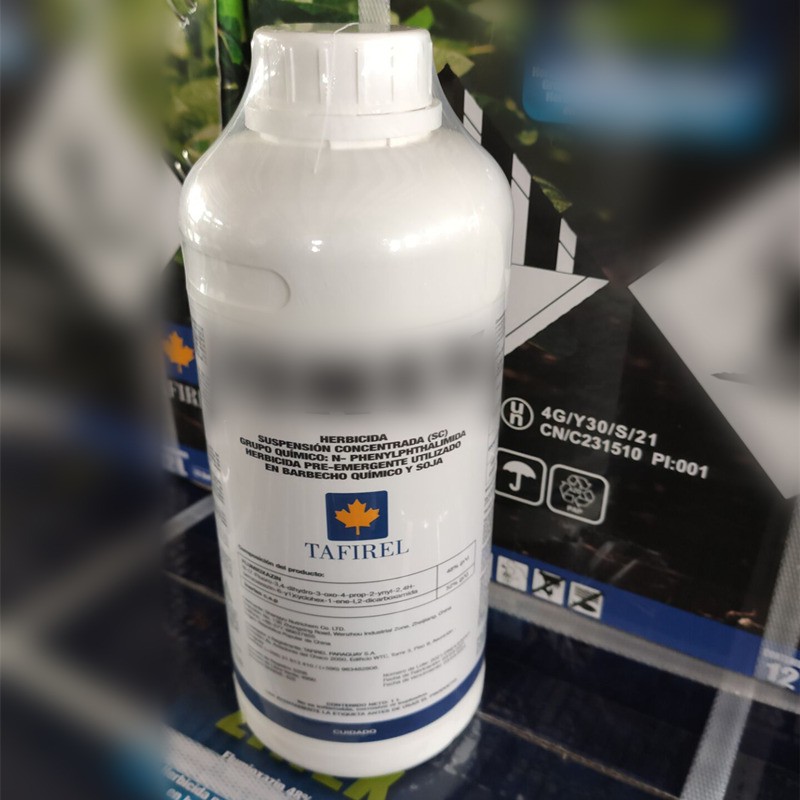
As a supplier of metazachlor, one question I often encounter is whether metazachlor can be used on ornamental plants. This is a crucial query for gardeners, landscapers, and nursery owners who are constantly seeking effective weed - control solutions without harming their precious ornamental flora. In this blog, I will delve into the scientific aspects of metazachlor and its potential use on ornamental plants.
Understanding Metazachlor
Metazachlor is a pre - emergence herbicide that belongs to the chloroacetanilide chemical family. It works by inhibiting the growth of germinating weed seeds. When applied to the soil, metazachlor is taken up by the emerging roots and shoots of weeds, interfering with key biochemical processes such as the synthesis of proteins and lipids. This ultimately leads to the death of the young weed plants before they can establish themselves and compete with the main crop or plants in the area.
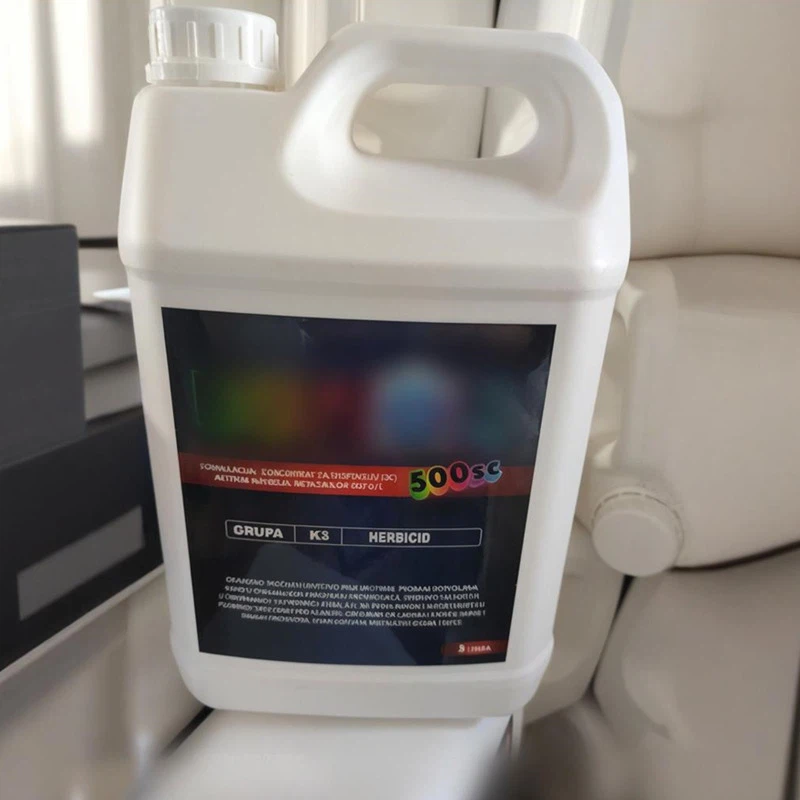
The product Metazachlor 500 G/L SC is a popular formulation in the market. It offers a convenient and effective way to control a wide range of annual grasses and broad - leaved weeds. The 500 G/L SC (Suspension Concentrate) form allows for easy mixing and application, ensuring uniform distribution across the treated area.
Suitability for Ornamental Plants
The use of metazachlor on ornamental plants is a complex issue that depends on several factors. First and foremost, different ornamental plant species have varying levels of tolerance to metazachlor. Some plants may be highly sensitive, while others can withstand certain doses without significant damage.
Species - Specific Tolerance
Research has shown that some woody ornamental species, such as certain varieties of shrubs and trees, may have a relatively high tolerance to metazachlor. For example, some evergreen shrubs like boxwood (Buxus sempervirens) and yew (Taxus baccata) have been reported to tolerate pre - emergence applications of metazachlor under proper conditions. However, it is important to note that even within a species, different cultivars may exhibit different responses.
On the other hand, many herbaceous ornamental plants are more sensitive to metazachlor. Flowers such as petunias (Petunia × hybrida), marigolds (Tagetes erecta), and impatiens (Impatiens walleriana) are often very susceptible to the herbicide. Applying metazachlor to these plants can cause stunted growth, leaf discoloration, and in severe cases, plant death.
Application Timing and Rate
The timing of metazachlor application is also critical when using it on ornamental plants. Pre - emergence applications are generally recommended, which means applying the herbicide before the weed seeds germinate and before the ornamental plants are actively growing or emerging from the soil. This helps to minimize the contact between the herbicide and the sensitive parts of the ornamental plants.
The application rate is another key factor. Using too high a rate of metazachlor can increase the risk of phytotoxicity (plant damage) to the ornamental plants. It is essential to follow the manufacturer's instructions carefully and adjust the rate according to the specific ornamental plant species, soil type, and environmental conditions.
Environmental and Safety Considerations
When considering using metazachlor on ornamental plants, environmental and safety aspects cannot be overlooked.
Environmental Impact
Metazachlor has the potential to leach into groundwater if not applied correctly. This can pose a risk to water quality, especially in areas with sandy soils or high water tables. To minimize this risk, it is important to avoid over - application and to ensure proper soil incorporation of the herbicide.
In addition, metazachlor can also have an impact on non - target organisms in the environment. Some studies have shown that it may be toxic to certain aquatic invertebrates and fish. Therefore, care should be taken to prevent runoff of the herbicide into water bodies.
Safety for Humans and Pets
Proper safety precautions must be taken when handling and applying metazachlor. It is a chemical substance that can be harmful if ingested, inhaled, or comes into contact with the skin. Protective clothing, gloves, and masks should be worn during application. After application, the treated area should be kept off - limits to humans and pets until the herbicide has dried and settled.
Case Studies and Practical Experience
There have been numerous case studies and practical experiences related to the use of metazachlor on ornamental plants. In some large - scale nurseries, metazachlor has been successfully used to control weeds in areas with tolerant woody ornamental plants. By carefully selecting the application timing and rate, these nurseries have been able to achieve effective weed control while maintaining the health of their plants.
However, there have also been instances where improper use of metazachlor has led to significant damage to ornamental plants. For example, a landscaper who applied metazachlor at a high rate on a flower bed containing sensitive herbaceous plants ended up with a large number of dead and dying flowers. This highlights the importance of understanding the characteristics of both the herbicide and the ornamental plants before application.
Conclusion and Call to Action
In conclusion, metazachlor can be used on some ornamental plants, but it requires careful consideration of plant species, application timing, rate, and environmental and safety factors. Before using metazachlor on your ornamental plants, it is advisable to conduct a small - scale test in a limited area to assess the plant's tolerance.
If you are interested in learning more about metazachlor and its potential use on your specific ornamental plants, or if you are looking to purchase Metazachlor 500 G/L SC, please feel free to reach out to us for further information and to discuss your procurement needs. We are here to provide you with professional advice and high - quality products to help you achieve effective weed control in your ornamental plantings.
References
- [List appropriate scientific papers, research reports, and product manuals here. For example: "Smith, J. (20XX). The effects of metazachlor on ornamental plant species. Journal of Horticultural Science, XX(X), XX - XX."]