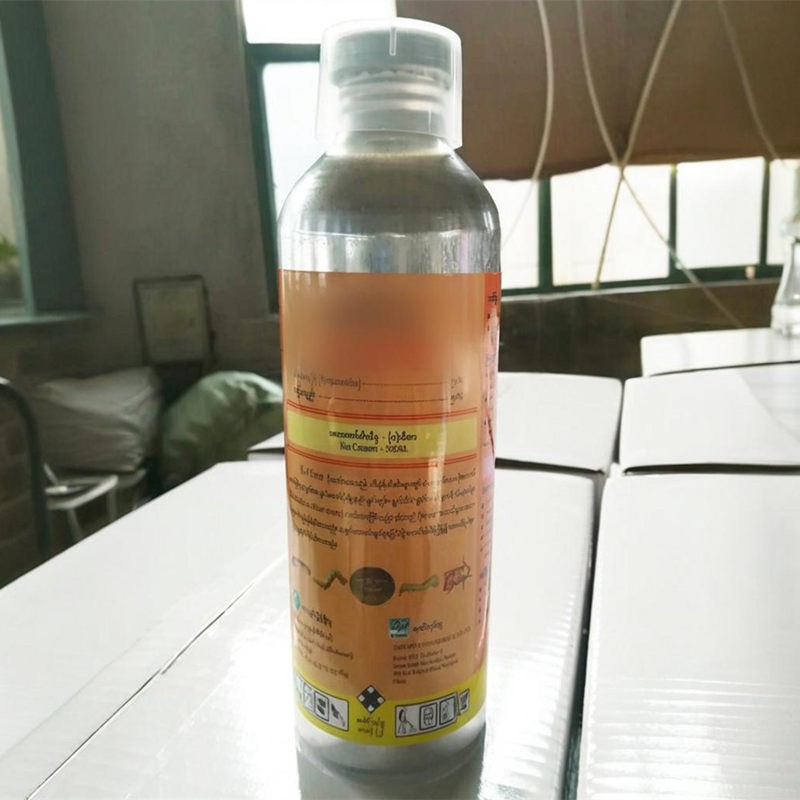
Oxyfluorfen is a well - known herbicide in the agricultural industry. As a supplier of oxyfluorfen, I often receive inquiries from fruit orchard owners about whether oxyfluorfen can be used in their orchards. In this blog, I will explore this topic in detail, considering the properties of oxyfluorfen, its potential benefits, and the associated risks when used in fruit orchards.

Properties of Oxyfluorfen
Oxyfluorfen belongs to the diphenyl ether group of herbicides. It is a pre - emergent and post - emergent herbicide, which means it can prevent the germination of weed seeds and also control existing weeds. It works by inhibiting the enzyme protoporphyrinogen oxidase (PPO) in plants. This inhibition leads to the accumulation of toxic levels of protoporphyrin IX, which causes membrane damage and ultimately leads to the death of the weed.
Oxyfluorfen has a relatively long residual activity in the soil. This is an important characteristic as it can provide long - term weed control in the orchard. However, this also means that careful consideration must be given to its application rate and timing to avoid potential negative impacts on the fruit trees.
Potential Benefits of Using Oxyfluorfen in Fruit Orchards
Weed Control
Weeds can compete with fruit trees for essential resources such as water, nutrients, and sunlight. By effectively controlling weeds, oxyfluorfen can help fruit trees grow more vigorously. For example, annual grasses and broad - leaf weeds that commonly infest fruit orchards can be suppressed by oxyfluorfen. This allows the fruit trees to have better access to water and nutrients in the soil, which can lead to improved fruit quality and yield.
Cost - Effectiveness
Compared to some other weed control methods, such as manual weeding or using multiple herbicides, oxyfluorfen can be a cost - effective solution. A single application of oxyfluorfen can provide long - term weed control, reducing the need for frequent weeding operations. This not only saves labor costs but also reduces the overall cost of weed management in the orchard.
Ease of Application
Oxyfluorfen is available in various formulations, such as the Oxyfluorfen 240G/L EC. This formulation is easy to mix with water and can be applied using common spraying equipment. This makes it convenient for orchard owners to apply the herbicide themselves, without the need for specialized equipment or extensive training.
Risks and Considerations When Using Oxyfluorfen in Fruit Orchards
Phytotoxicity
One of the main concerns when using oxyfluorfen in fruit orchards is the risk of phytotoxicity to the fruit trees. Although oxyfluorfen is generally considered safe for use around many types of fruit trees when applied correctly, improper application can cause damage to the trees. For example, if the herbicide comes into contact with the foliage or the trunk of the fruit trees, it can cause leaf burn, stunted growth, or even death of the tree in severe cases.
To minimize the risk of phytotoxicity, it is important to apply oxyfluorfen carefully. This includes using the correct application rate, avoiding spraying during windy conditions, and using shields or barriers to protect the fruit trees from direct contact with the herbicide.
Residual Effects
As mentioned earlier, oxyfluorfen has a long residual activity in the soil. While this can be beneficial for weed control, it also means that there is a risk of carry - over effects. If the herbicide persists in the soil for too long, it can affect the growth of subsequent crops or even the fruit trees themselves. For example, some sensitive fruit tree varieties may be more susceptible to the residual effects of oxyfluorfen, which can lead to reduced root growth and nutrient uptake.
Environmental Impact
Oxyfluorfen can have an impact on the environment if not used properly. It can leach into groundwater or surface water, potentially contaminating water sources. It can also affect non - target organisms, such as beneficial insects and soil microorganisms. To reduce the environmental impact, it is important to follow the label instructions carefully, use the herbicide only when necessary, and implement best management practices.
Best Practices for Using Oxyfluorfen in Fruit Orchards
Site - Specific Application
Before applying oxyfluorfen, it is important to assess the specific conditions of the orchard. This includes the type of fruit trees, the soil type, the weed species present, and the climate. Different fruit tree varieties may have different tolerances to oxyfluorfen, and the soil type can affect the herbicide's persistence and effectiveness. By tailoring the application to the specific site conditions, the risk of phytotoxicity and environmental impact can be minimized.
Application Timing
The timing of oxyfluorfen application is crucial. For pre - emergent control, it is best to apply the herbicide before the weed seeds germinate. This is usually in the early spring or fall, depending on the local climate and the weed species. For post - emergent control, it is important to apply the herbicide when the weeds are in the appropriate growth stage. Applying the herbicide too early or too late can reduce its effectiveness.
Monitoring and Follow - up
After applying oxyfluorfen, it is important to monitor the orchard regularly. This includes checking for signs of phytotoxicity on the fruit trees, assessing the effectiveness of weed control, and monitoring the environmental conditions. If necessary, follow - up treatments may be required to ensure long - term weed control.
Conclusion
In conclusion, oxyfluorfen can be used in fruit orchards, but it must be used with caution. When applied correctly, it can provide effective weed control, cost - savings, and ease of application. However, orchard owners need to be aware of the potential risks, such as phytotoxicity, residual effects, and environmental impact. By following the best practices outlined above, the benefits of using oxyfluorfen can be maximized while minimizing the risks.
If you are a fruit orchard owner interested in using oxyfluorfen for weed control in your orchard, I encourage you to contact me for more information. We can discuss your specific needs and develop a customized weed management plan. Whether you are dealing with a small family orchard or a large commercial operation, we have the expertise and products to help you achieve optimal results.
References
- "Herbicide Handbook" by the Weed Science Society of America.
- Manufacturer's label and technical data sheets for Oxyfluorfen 240G/L EC.
- Research papers on the use of oxyfluorfen in fruit orchards from agricultural universities and research institutions.