Hey there! As an oxyfluorfen supplier, I often get asked about the effects of oxyfluorfen on resistant weeds. So, I thought I'd dive deep into this topic and share some insights with you all.
Let's first understand what oxyfluorfen is. Oxyfluorfen is a pre - and post - emergence herbicide that's been around for quite a while. It belongs to the diphenylether family of herbicides. This chemical works by inhibiting the enzyme protoporphyrinogen oxidase (PPO), which is crucial for chlorophyll synthesis in plants. When a weed absorbs oxyfluorfen, it disrupts the normal functioning of the plant's cells, leading to the accumulation of toxic compounds that ultimately kill the weed.
Now, let's talk about resistant weeds. Resistance in weeds occurs when a population of weeds develops the ability to survive a herbicide application that would normally kill them. This can happen due to various reasons, such as repeated use of the same herbicide over time, improper application rates, or genetic mutations in the weed population.
Effects of Oxyfluorfen on Resistant Weeds
1. Variable Efficacy
The effectiveness of oxyfluorfen on resistant weeds can be highly variable. In some cases, oxyfluorfen may still have some degree of control over resistant weeds. This is because the resistance mechanism in weeds might not be fully developed or might not completely block the action of oxyfluorfen. For example, some weeds may have a partial mutation in the PPO enzyme, which means that while they are more tolerant to oxyfluorfen, they can still be affected to some extent.

However, in other cases, oxyfluorfen may have little to no effect on resistant weeds. If the weed has developed a highly effective resistance mechanism, such as over - expression of a detoxifying enzyme or a complete change in the target site of the herbicide, oxyfluorfen may simply bounce off and not cause any significant damage to the weed.
2. Impact on Weed Growth and Development
Even when oxyfluorfen doesn't completely kill resistant weeds, it can still have an impact on their growth and development. Resistant weeds may experience stunted growth, reduced seed production, or a delay in their life cycle. For instance, oxyfluorfen might slow down the photosynthetic process in resistant weeds, leading to less energy production for growth and reproduction. This can be beneficial for farmers as it can reduce the competitiveness of the resistant weeds in the crop field.
3. Selection Pressure
The use of oxyfluorfen on resistant weeds can also exert selection pressure. When oxyfluorfen is applied, it kills off the non - resistant weeds in the population, leaving behind the resistant ones. These resistant weeds then have more resources available to them, such as sunlight, water, and nutrients. As a result, they can reproduce more easily and spread their resistance genes to the next generation of weeds. This can lead to an increase in the proportion of resistant weeds in the population over time.
4. Interaction with Other Herbicides
Oxyfluorfen can be used in combination with other herbicides to manage resistant weeds. When used in a tank - mix or a sequential application with herbicides that have different modes of action, oxyfluorfen can enhance the overall control of resistant weeds. For example, combining oxyfluorfen with a glyphosate - based herbicide can target different physiological processes in the weed, increasing the chances of killing the resistant weeds.
Our Oxyfluorfen Product: Oxyfluorfen 240G/L EC
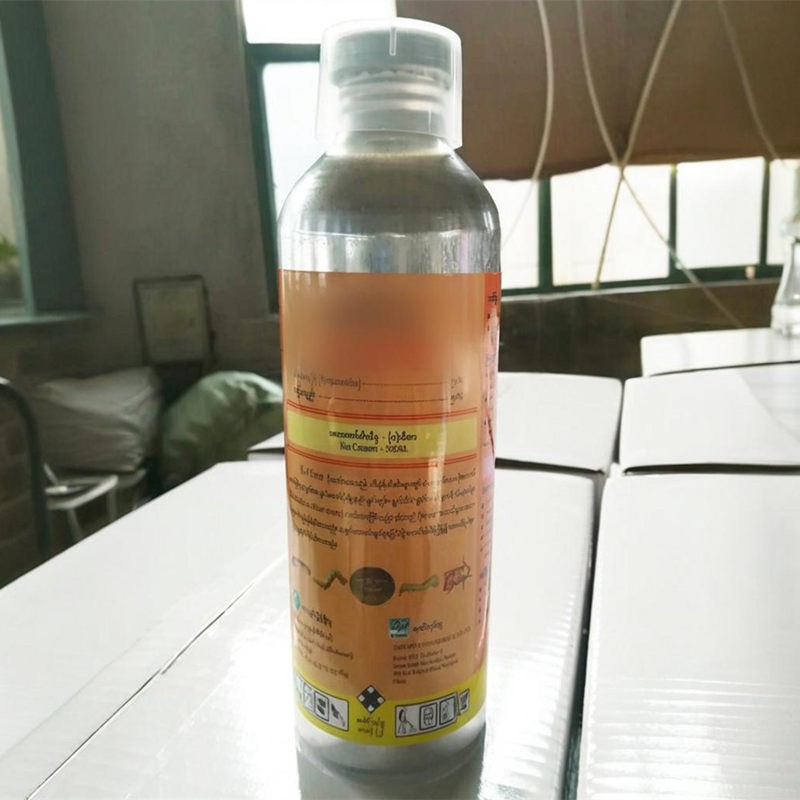
We offer a high - quality product called Oxyfluorfen 240G/L EC. This formulation of oxyfluorfen is carefully crafted to ensure maximum efficacy against a wide range of weeds, including some resistant ones.
The 240G/L EC formulation means that it has a high concentration of oxyfluorfen in an emulsifiable concentrate form. This allows for easy mixing with water and uniform application in the field. Our product also contains additives that enhance the penetration and adhesion of oxyfluorfen to the weed surface, increasing its chances of reaching the target site within the weed.
Managing Resistant Weeds with Our Oxyfluorfen
To effectively manage resistant weeds with our oxyfluorfen product, here are some tips:
1. Proper Application
It's crucial to follow the recommended application rates and timing. Applying too little oxyfluorfen may not provide sufficient control, while applying too much can be wasteful and may increase the risk of environmental pollution. Also, make sure to apply the herbicide at the right growth stage of the weeds for optimal results.
2. Rotation and Mixtures
As mentioned earlier, rotating oxyfluorfen with other herbicides with different modes of action can help prevent the development and spread of resistance. You can also use oxyfluorfen in tank - mixes with other compatible herbicides to increase the spectrum of weed control.
3. Monitoring
Regularly monitor your fields for the presence of resistant weeds. Early detection of resistance can allow you to take timely action, such as adjusting your herbicide program or using alternative weed control methods.
Conclusion
In conclusion, the effect of oxyfluorfen on resistant weeds is complex. It can have variable efficacy, impact weed growth, exert selection pressure, and be used in combination with other herbicides. Our Oxyfluorfen 240G/L EC product is a reliable option for managing weeds, including some resistant ones, when used correctly.
If you're interested in learning more about our oxyfluorfen product or want to discuss your weed control needs, we'd love to hear from you. Contact us to start a conversation about how our oxyfluorfen can help you achieve better weed management in your fields.
References
- Duke, S. O., & Powles, S. B. (2008). Glyphosate: a once - in - a - century herbicide. Pest Management Science, 64(4), 319 - 325.
- Heap, I. (2023). The International Survey of Herbicide Resistant Weeds. Available at: http://www.weedscience.org
- Shaner, D. L. (2014). Herbicide Resistance and World Grains. CRC Press.