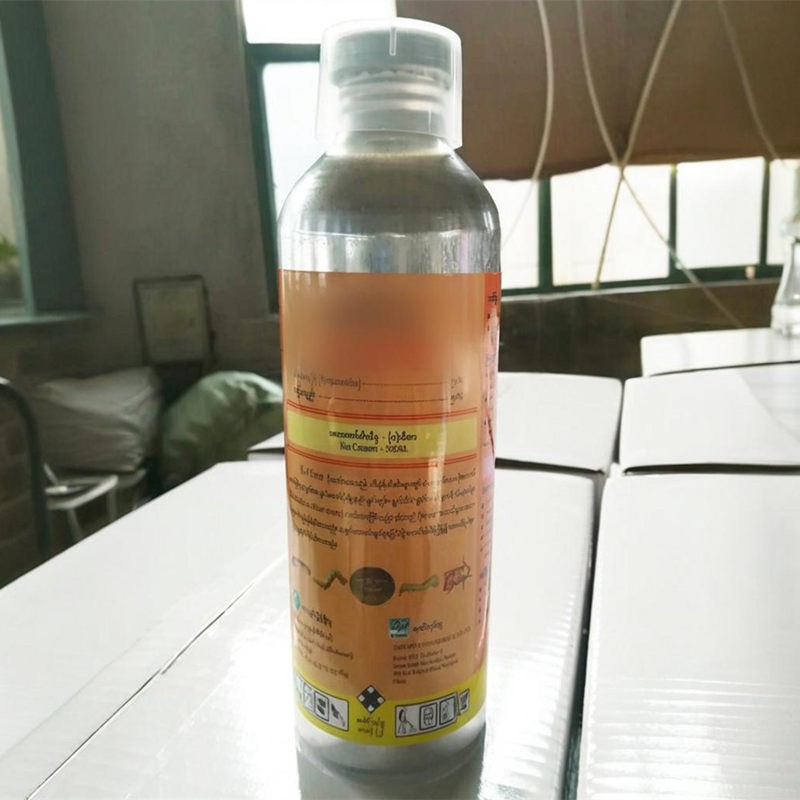
Metazachlor is a widely used herbicide known for its effectiveness in controlling a variety of weeds in different crops. As a metazachlor supplier, I've witnessed the dynamic nature of its registration status across the globe. Understanding these regulations is crucial not only for us as suppliers but also for farmers and agricultural businesses that rely on this product for weed management. In this blog, I'll delve into the registration status of metazachlor in different countries, highlighting the key factors that influence these decisions and what it means for the future of metazachlor in the agricultural market.
Europe
In the European Union (EU), the approval of pesticides is a rigorous process governed by strict regulations. Metazachlor has been a subject of extensive evaluation due to concerns about its potential impact on the environment and human health.
The EU's regulatory framework requires a comprehensive risk assessment that considers factors such as toxicity, environmental fate, and residue levels. Based on these evaluations, the European Food Safety Authority (EFSA) provides scientific opinions that guide the decision - making process for pesticide approvals.
As of recent years, metazachlor has faced some challenges in the EU. There have been restrictions on its use in certain areas, and its re - evaluation is an ongoing process. Some member states have imposed additional limitations based on local environmental and health considerations. For example, in countries with sensitive water bodies or high - value ecological areas, the use of metazachlor may be more tightly regulated to prevent contamination.
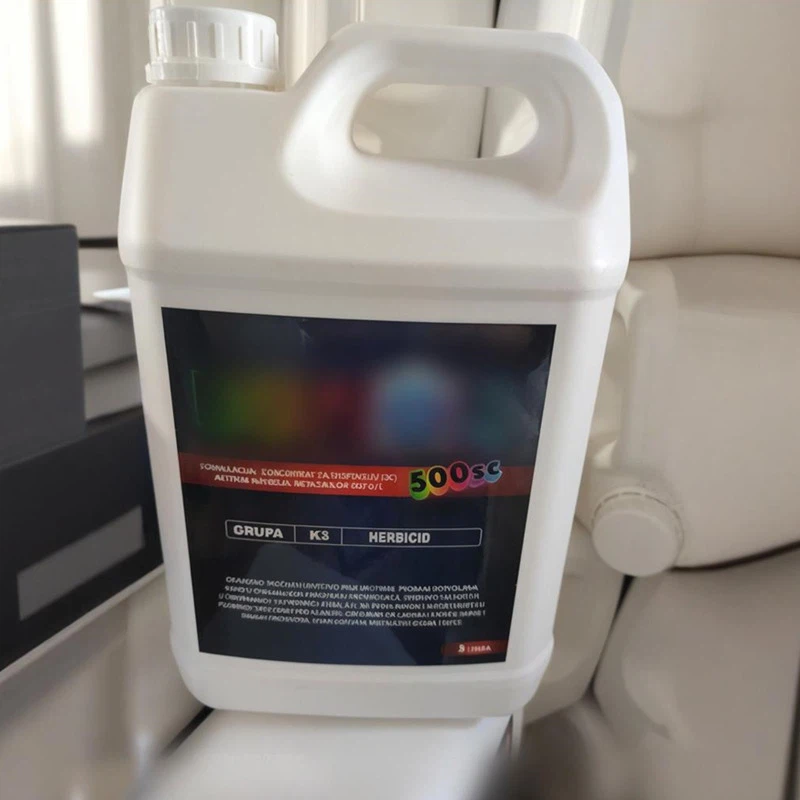
Despite these challenges, metazachlor still has a market in the EU, especially in regions where it is considered an effective tool for weed control in specific crops such as oilseed rape. Our company, as a supplier, has been closely monitoring these regulations and working with our customers to ensure compliance. We also offer Metazachlor 500 G/L SC, which is formulated to meet the highest quality and safety standards, and we are constantly exploring ways to improve its environmental profile to align with EU requirements.
North America
In the United States, the Environmental Protection Agency (EPA) is responsible for the registration and regulation of pesticides, including metazachlor. The EPA conducts a detailed review of a pesticide's safety and efficacy before granting registration.
Metazachlor is registered for use in the US on a variety of crops, including corn, soybeans, and vegetables. However, like in the EU, the registration is subject to ongoing review. The EPA periodically assesses the latest scientific data on metazachlor to ensure that it continues to meet the safety standards.
In Canada, the Pest Management Regulatory Agency (PMRA) oversees pesticide registration. Metazachlor has a similar registration status as in the US, with approved uses in specific crops. The PMRA also conducts regular re - evaluations to keep up with new scientific findings.
The North American market for metazachlor is significant, given the large - scale agricultural production in the region. Our company has been actively involved in supplying metazachlor to farmers in North America, and we work closely with regulatory authorities to ensure that our products are compliant with all local regulations.
Asia
Asia is a diverse continent with a wide range of agricultural practices and regulatory environments. In countries like China, the registration of pesticides is managed by the Ministry of Agriculture and Rural Affairs. Metazachlor has been registered for use in China on certain crops, and the market has been growing steadily as Chinese farmers look for effective weed control solutions.
In India, the Central Insecticides Board and Registration Committee (CIBRC) is responsible for pesticide registration. Metazachlor's registration status in India is also positive, with applications in various crops, especially in the northern and western regions where large - scale farming is prevalent.
However, Asian countries are also becoming more aware of environmental and health issues related to pesticides. As a result, there is an increasing trend towards stricter regulations. Our company is committed to working with our Asian customers to adapt to these changing regulatory landscapes. We provide technical support and training to ensure that metazachlor is used safely and effectively, and our Metazachlor 500 G/L SC is well - received in the Asian market due to its quality and performance.
South America
South America is a major agricultural region, with countries like Brazil and Argentina being significant producers of crops such as soybeans, corn, and sugarcane. In Brazil, the Ministry of Agriculture, Livestock and Supply (MAPA) is responsible for pesticide registration. Metazachlor is registered for use in several crops, and it plays an important role in weed management in the Brazilian agricultural sector.
In Argentina, the National Service of Agrifood Health and Quality (SENASA) regulates pesticides. Metazachlor has a similar registration status, and it is widely used in the country's large - scale farming operations.
However, South American countries are also facing challenges related to pesticide residues and environmental impacts. There is a growing demand for more sustainable and environmentally friendly pesticides. Our company is working with South American farmers to introduce more sustainable practices and to ensure that our metazachlor products are used in a way that minimizes environmental harm.
Africa
In Africa, the regulatory environment for pesticides is still developing. Different countries have their own regulatory bodies, and the registration processes can vary significantly. Some African countries are starting to recognize the importance of effective weed control for food security, and metazachlor has the potential to play a role in this.
However, due to limited resources and capacity in some African countries, the regulatory framework may not be as well - established as in other regions. Our company is actively engaged in promoting the safe and proper use of metazachlor in Africa. We provide training and support to local farmers and work with regulatory authorities to help develop appropriate registration and use guidelines.
Factors Influencing Registration Status
Several factors influence the registration status of metazachlor in different countries. One of the primary factors is scientific research. New studies on the toxicity, environmental fate, and residue levels of metazachlor can lead to changes in its registration status. For example, if a study shows that metazachlor has a higher than expected impact on non - target organisms, regulatory authorities may impose stricter regulations or even revoke its registration in certain areas.
Public perception also plays a role. In recent years, there has been an increasing concern among the public about the use of pesticides and their potential impact on health and the environment. This has led to more pressure on regulatory authorities to ensure that pesticides are used safely.
Economic factors are also important. In regions where metazachlor is considered an essential tool for weed control and crop production, there may be more support for its continued registration. However, if there are alternative pesticides available that are considered more environmentally friendly or cost - effective, the demand for metazachlor may decline.
The Future of Metazachlor
The future of metazachlor depends on how well it can adapt to the changing regulatory and market environments. As a supplier, we are investing in research and development to improve the environmental profile of metazachlor. This includes developing new formulations that reduce its impact on the environment and human health.
We are also working on promoting sustainable use practices. By providing training and support to farmers, we can ensure that metazachlor is used in a way that maximizes its effectiveness while minimizing its negative impacts.
In addition, we are closely monitoring the regulatory trends in different countries. By staying ahead of the curve, we can better serve our customers and ensure that our metazachlor products remain compliant with all relevant regulations.
Conclusion
The registration status of metazachlor varies significantly across different countries. While it is registered and widely used in many regions, it also faces challenges due to environmental and health concerns. As a metazachlor supplier, we are committed to working with regulatory authorities, farmers, and other stakeholders to ensure the safe and effective use of metazachlor.
If you are interested in purchasing metazachlor for your agricultural needs, we invite you to contact us for more information and to discuss your specific requirements. We are here to provide you with high - quality products and excellent customer service.
References
- European Food Safety Authority (EFSA) reports on metazachlor evaluation.
- US Environmental Protection Agency (EPA) pesticide registration documents for metazachlor.
- Pest Management Regulatory Agency (PMRA) reports from Canada.
- Ministry of Agriculture and Rural Affairs in China on pesticide registration.
- Central Insecticides Board and Registration Committee (CIBRC) documents from India.
- Ministry of Agriculture, Livestock and Supply (MAPA) in Brazil on pesticide registration.
- National Service of Agrifood Health and Quality (SENASA) in Argentina on pesticide registration.