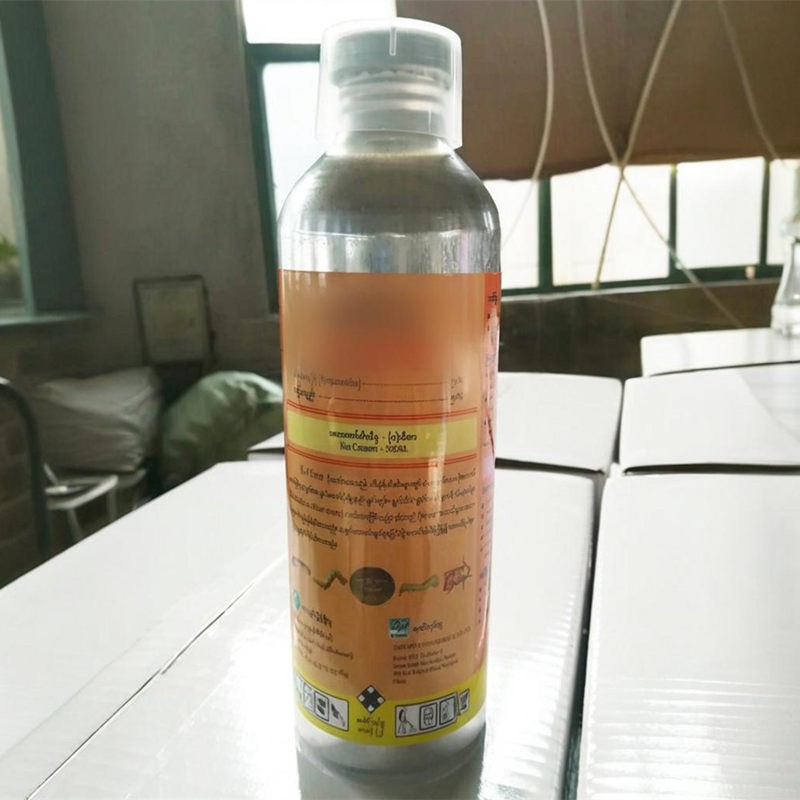
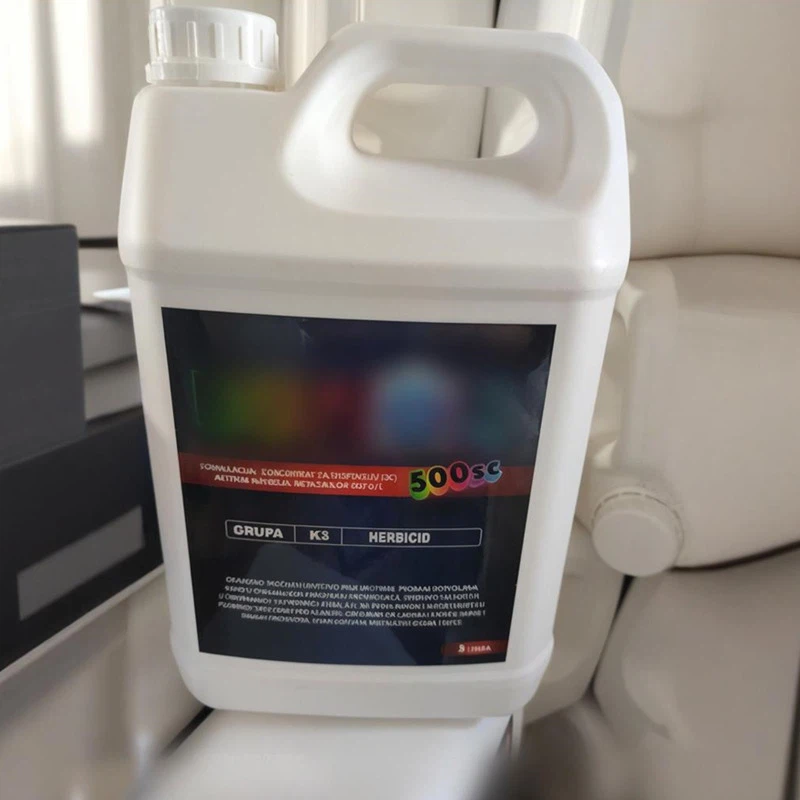
As a trusted fungicides supplier, I understand the importance of effective application methods for granular fungicides. In this blog, I'll delve into the details of how to apply granular fungicides properly to ensure optimal results in crop protection and disease management.
Understanding Granular Fungicides
Granular fungicides are formulated in a solid, granular form, which offers several advantages over liquid formulations. They are easy to handle, store, and apply, and they can provide long - term protection against fungal diseases. Granules are typically made up of an active ingredient combined with a carrier material, which helps in the even distribution of the fungicide in the soil or on the plant surface.
Factors Affecting Application
Before applying granular fungicides, it's crucial to consider several factors that can influence the effectiveness of the treatment.
1. Target Fungi
Different fungi require different active ingredients for effective control. For example, some fungicides are more effective against powdery mildew, while others are better suited for controlling root - rot fungi. Identify the target fungi accurately to select the appropriate granular fungicide. Our product catalog includes a wide range of fungicides with different active ingredients to combat various fungal diseases.
2. Crop Type
The type of crop being treated also plays a significant role. Some crops are more sensitive to certain fungicides, and the application rate and timing may need to be adjusted accordingly. For instance, fruits and vegetables may have stricter regulations regarding the use of fungicides compared to field crops.
3. Environmental Conditions
Environmental factors such as temperature, humidity, and rainfall can affect the performance of granular fungicides. High temperatures and low humidity may cause the granules to dry out quickly, reducing their effectiveness. On the other hand, heavy rainfall can wash away the granules before they have a chance to work. It's best to apply granular fungicides when the weather conditions are favorable, usually when there is no heavy rain expected in the next few days.
Application Methods
1. Broadcast Application
Broadcast application is one of the most common methods for applying granular fungicides. This involves spreading the granules evenly over a large area, such as a field or a garden bed. You can use a mechanical spreader, either hand - held or tractor - mounted, depending on the size of the area.
To ensure an even distribution, calibrate the spreader according to the manufacturer's instructions. Walk at a steady pace while operating the spreader to avoid uneven application. After broadcasting, lightly incorporate the granules into the soil using a rake or a tiller. This helps the fungicide to reach the root zone where many fungal diseases start.
2. Band Application
Band application is useful when treating rows of crops. In this method, the granules are applied in a narrow band along the row of plants. This reduces the amount of fungicide used compared to broadcast application while still providing effective protection to the crops.
You can use a specialized band applicator or modify a broadcast spreader to apply the granules in a band. Make sure the band is centered over the row of plants and that the granules are evenly distributed within the band.
3. Spot Treatment
Spot treatment is appropriate when only specific areas of a field or garden are affected by fungal diseases. This method involves applying the granules directly to the infected areas. Use a small hand - held spreader or a shaker bottle to apply the granules precisely.
Spot treatment helps to conserve fungicide and reduces the impact on non - affected areas. It's important to thoroughly cover the infected area with the granules to ensure effective control of the fungi.
Application Timing
The timing of granular fungicide application is crucial for its effectiveness.
1. Preventive Application
Applying granular fungicides preventively is often the best strategy. This means applying the fungicide before the appearance of visible symptoms of fungal diseases. Preventive application creates a protective barrier that can prevent the fungi from infecting the plants.
For example, in areas where certain fungal diseases are common during a particular season, apply the fungicide a few weeks before the expected onset of the disease. This gives the fungicide enough time to establish a protective layer on the plants or in the soil.
2. Curative Application
Curative application is used when fungal diseases are already present. In this case, the fungicide is applied to stop the spread of the disease and to control the existing infection. However, curative application may not be as effective as preventive application, especially if the disease has advanced significantly.
When using curative application, it's important to follow the label instructions carefully and apply the fungicide at the recommended rate and frequency.
Precautions and Safety
When applying granular fungicides, it's essential to take appropriate precautions to ensure safety.
1. Personal Protective Equipment (PPE)
Wear appropriate PPE, such as gloves, goggles, and a dust mask, when handling and applying granular fungicides. This protects you from potential exposure to the chemicals.


2. Storage
Store granular fungicides in a cool, dry place, away from children, pets, and food. Keep the products in their original containers and follow the storage instructions on the label.
3. Disposal
Dispose of empty fungicide containers and any unused product according to local regulations. Do not pour the fungicide down the drain or into water sources.
Complementary Products
In addition to our granular fungicides, we also offer a range of complementary products that can enhance the effectiveness of your crop protection program. For example, our Thiacloprid 240G/L OD is an effective insecticide that can be used in conjunction with fungicides to control both insects and fungal diseases. Our Mesotrione 70G/L + Nicosulfuron 40G/L OD and Cyhalofop - butyl 50G/L + Penoxsulam 10G/L OD are herbicides that can help manage weeds, which can sometimes harbor fungal diseases.
Conclusion
Applying granular fungicides correctly is essential for effective fungal disease control in crops. By considering factors such as target fungi, crop type, environmental conditions, and choosing the appropriate application method and timing, you can maximize the benefits of these fungicides.
If you're interested in purchasing our high - quality granular fungicides or need more information about their application, feel free to reach out to us. We're here to assist you in developing a comprehensive crop protection strategy.
References
- "Fungicide Application Guide" by the Extension Service of a well - known agricultural university.
- Product manuals of various granular fungicides.
- Research papers on the effectiveness of different granular fungicide application methods.