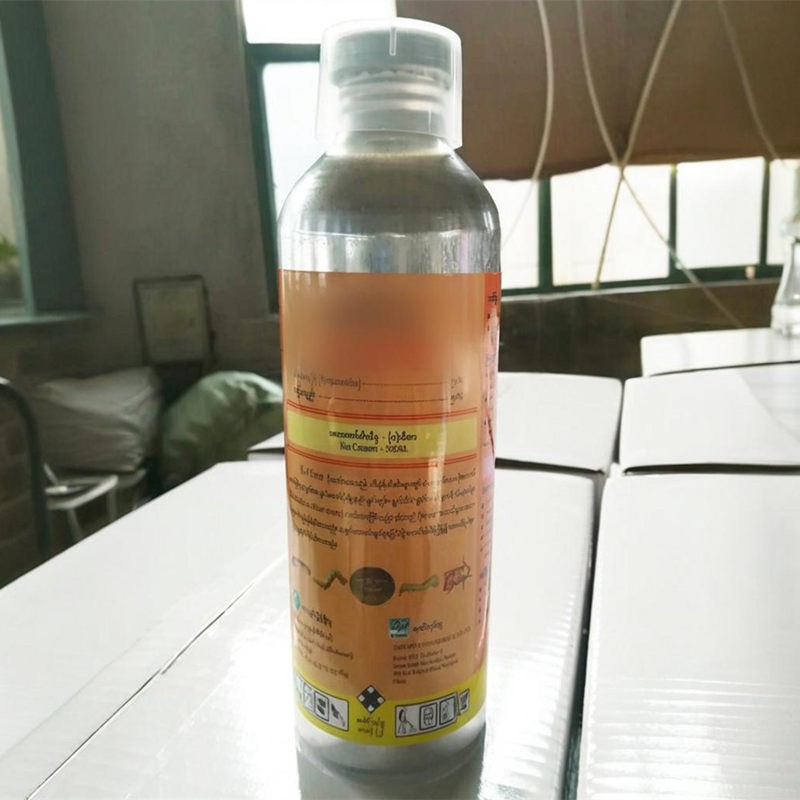
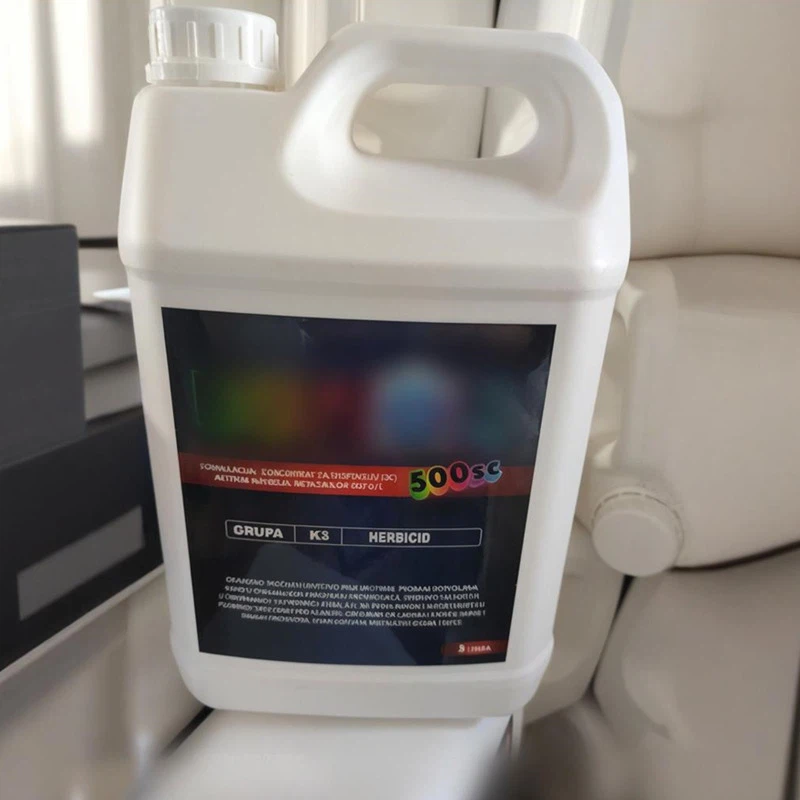
As a supplier of pyroxsulam, I often receive inquiries from customers, especially those with vegetable gardens, about the suitability of using pyroxsulam in their gardening activities. This blog post aims to provide a comprehensive and scientific analysis of whether pyroxsulam can be used in vegetable gardens.
Understanding Pyroxsulam
Pyroxsulam is a herbicide that belongs to the sulfonylaminocarbonyltriazolinone chemical family. It is known for its effectiveness in controlling a wide range of grass and broad - leaf weeds. The mode of action of pyroxsulam is through the inhibition of the acetolactate synthase (ALS) enzyme in plants. This enzyme is crucial for the biosynthesis of branched - chain amino acids (valine, leucine, and isoleucine) in plants. By inhibiting ALS, pyroxsulam disrupts the normal growth and development of weeds, eventually leading to their death.
The Appeal of Using Pyroxsulam in Vegetable Gardens
One of the main reasons why gardeners might consider using pyroxsulam in their vegetable gardens is its broad - spectrum weed control ability. Weeds compete with vegetables for essential resources such as water, nutrients, and sunlight. In a vegetable garden, where space is often limited and the growth of vegetables needs to be optimized, effective weed control is of utmost importance. Pyroxsulam can target a variety of troublesome weeds, including some that are difficult to control with other herbicides.
Another advantage is its relatively low application rate. This means that a small amount of the herbicide can cover a relatively large area, which can be cost - effective for gardeners. Additionally, pyroxsulam has a relatively short half - life in the soil under certain environmental conditions, which may reduce the risk of long - term soil contamination.
Potential Risks and Concerns
However, there are several significant risks and concerns associated with using pyroxsulam in vegetable gardens.
Phytotoxicity to Vegetables
Vegetables are generally more sensitive to herbicides compared to some other types of plants. Pyroxsulam, if not applied correctly, can cause phytotoxicity to vegetables. Different vegetable species have different levels of tolerance to pyroxsulam. For example, some leafy greens may be extremely sensitive, and even a small amount of the herbicide can cause leaf discoloration, stunted growth, or reduced yields.
Residue in Vegetables
There is a risk of pyroxsulam residue remaining in the vegetables after application. This is a major concern from a food safety perspective. Regulatory agencies around the world have set strict maximum residue limits (MRLs) for herbicides in food products. If the use of pyroxsulam in a vegetable garden results in residues above the MRLs, the vegetables may not be safe for consumption.
Impact on Soil Microorganisms
The soil in a vegetable garden is a complex ecosystem that contains a vast number of beneficial microorganisms. These microorganisms play important roles in nutrient cycling, soil structure improvement, and plant health. Pyroxsulam may have an impact on the population and activity of these soil microorganisms. For example, it may inhibit the growth of certain beneficial bacteria and fungi, which can disrupt the normal ecological balance in the soil and ultimately affect the growth of vegetables.
Regulatory Considerations
In many countries, the use of herbicides in vegetable gardens is strictly regulated. Before using pyroxsulam in a vegetable garden, it is essential to check the local regulations. Some regions may prohibit the use of pyroxsulam in vegetable - growing areas altogether, while others may allow its use under specific conditions, such as certain application rates, pre - harvest intervals, and safety precautions.
Alternatives to Pyroxsulam in Vegetable Gardens
Given the potential risks, there are several alternative methods for weed control in vegetable gardens that are generally considered safer.
Manual Weeding
This is the most traditional and environmentally friendly method. By simply pulling out weeds by hand or using hand tools, gardeners can remove weeds without the use of any chemicals. Although it is time - consuming, it is a very effective way to ensure the safety of vegetables and the soil ecosystem.
Mulching
Applying organic mulches such as straw, wood chips, or leaves around vegetable plants can suppress weed growth. Mulches block sunlight from reaching the weed seeds, preventing them from germinating. At the same time, they can also help retain soil moisture and improve soil fertility as they decompose.

Biological Control
Some insects and microorganisms can be used for biological weed control. For example, certain insects may feed on specific weed species, while some beneficial fungi can parasitize and control weeds.
Our Product: Pyroxsulam 100G/L + Florasulam 75G/L SC
While the use of pyroxsulam in vegetable gardens has its limitations, our product Pyroxsulam 100G/L + Florasulam 75G/L SC has been formulated to provide enhanced weed - control performance in other non - vegetable areas. This combination product offers a broader spectrum of weed control compared to single - active - ingredient herbicides. It can be used in cereal crops, for example, where the risk of phytotoxicity to the main crop and food safety concerns are different from those in vegetable gardens.
Conclusion
In conclusion, the use of pyroxsulam in vegetable gardens is a complex issue. While it has the potential to provide effective weed control, the risks associated with phytotoxicity, residue in vegetables, and impact on soil microorganisms are significant. Before considering using pyroxsulam in a vegetable garden, gardeners should carefully weigh the pros and cons, and comply with local regulations.
If you are interested in learning more about our pyroxsulam products or have any questions regarding weed control in non - vegetable areas, we encourage you to contact us for further discussion and potential procurement. Our team of experts is always ready to provide you with professional advice and support.
References
- "Herbicide Handbook", Weed Science Society of America.
- Research papers on the impact of pyroxsulam on soil microorganisms and plant health from scientific journals such as "Journal of Agricultural and Food Chemistry".
- Local regulatory documents on herbicide use in agricultural and horticultural areas.