Bees play a crucial role in our ecosystem, acting as primary pollinators for a wide variety of plants, including many of the crops that make up a significant portion of our diet. Their well - being is directly linked to the health and productivity of agricultural systems. As a supplier of lactofen, a commonly used herbicide, it is essential to understand the impact of this chemical on bees.
Lactofen is an herbicide that belongs to the diphenylether family. It is primarily used to control broad - leaf weeds in various crops such as soybeans, peanuts, and cotton. Its mode of action involves inhibiting the enzyme protoporphyrinogen oxidase (PPO), which disrupts the normal functioning of the weed's cells, leading to their death.
One of the main concerns regarding lactofen and bees is its potential toxicity. To assess the impact, we need to look at both acute and chronic effects. Acute toxicity refers to the immediate harm caused by a single exposure to a chemical, while chronic toxicity is the long - term damage resulting from repeated or continuous exposure.
In terms of acute toxicity, studies have shown that lactofen has a relatively low acute toxicity to bees. When bees are directly exposed to lactofen at normal application rates in the field, the mortality rate is generally not significantly higher compared to non - exposed bees. However, it is important to note that the acute toxicity can vary depending on factors such as the formulation of lactofen, the route of exposure (e.g., contact with the chemical on the plant surface or inhalation of spray droplets), and the bee species.
Some bee species may be more sensitive to lactofen than others. For example, certain native bee species that are less studied may have different physiological responses to the herbicide compared to the well - known honeybees. Honeybees are often used as a model species in toxicological studies, but relying solely on honeybee data may not fully represent the impact on the entire bee community.

Chronic exposure to lactofen can have more subtle but potentially significant effects on bees. Prolonged contact with the herbicide can affect the bees' behavior, immune system, and reproductive capabilities. Bees exposed to low levels of lactofen over time may experience changes in their foraging behavior. They may become less efficient at finding food sources, which can lead to reduced energy intake and overall colony stress.
The immune system of bees is also vulnerable to the effects of lactofen. A compromised immune system makes bees more susceptible to diseases and parasites. For instance, bees exposed to lactofen may have a harder time fighting off infections caused by Nosema fungi, which can severely impact colony health and survival.
Reproductive success is another area of concern. Lactofen can interfere with the hormonal balance in bees, affecting the development of eggs and sperm. This can lead to reduced brood production and ultimately a decline in the colony population.
In addition to the direct effects on bees, lactofen can also have indirect impacts on their habitat. As an herbicide, its primary function is to kill weeds. However, many of these weeds serve as important food sources for bees, providing nectar and pollen. By eliminating these weeds, lactofen can reduce the availability of forage for bees, forcing them to travel longer distances in search of food. This increased energy expenditure can further stress the colonies and make them more vulnerable to other threats.
It is important to note that the impact of lactofen on bees is also influenced by other factors in the agricultural environment. For example, the use of multiple pesticides in combination with lactofen can have synergistic effects, increasing the overall toxicity to bees. The timing of lactofen application also matters. Applying the herbicide during the flowering period of crops or when bees are actively foraging can increase their exposure risk.
As a lactofen supplier, we are committed to promoting the responsible use of our product. We understand the importance of protecting bees and other beneficial insects. To minimize the impact on bees, we recommend following certain best practices.
First, farmers should carefully time their lactofen applications. Avoid spraying during the flowering period of crops to reduce the chances of bees coming into contact with the herbicide. Instead, apply lactofen during non - flowering times when bees are less likely to be present in the area.
Second, proper calibration of spraying equipment is crucial. This ensures that the correct amount of lactofen is applied, reducing the risk of over - application and unnecessary exposure to bees.
Third, the use of buffer zones can be effective. Creating a buffer area around the fields where lactofen is applied can help protect nearby bee colonies. This buffer zone can act as a barrier, reducing the drift of spray droplets and minimizing the contact of bees with the herbicide.
We also encourage farmers to consider alternative weed control methods in combination with lactofen. For example, mechanical weeding or the use of cover crops can help reduce the reliance on herbicides and provide additional forage for bees.
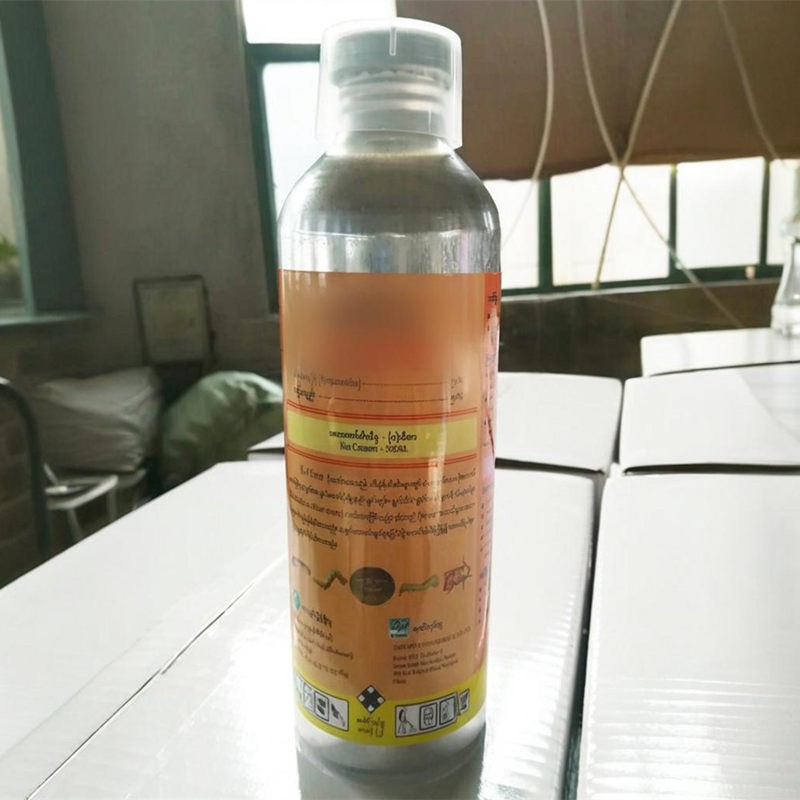
At our company, we offer Lactofen 240G/L EC, a high - quality formulation of lactofen. Our product is designed to be effective in weed control while also taking into account the environmental impact. We are constantly researching and developing new ways to make our products more bee - friendly.
If you are a farmer or an agricultural professional interested in using lactofen for weed control, we invite you to contact us for more information. We can provide you with detailed guidance on the proper use of lactofen to minimize its impact on bees while achieving optimal weed control results. By working together, we can ensure a balance between agricultural productivity and the protection of our important pollinators.
References
- Johnson, R. M., & Smith, A. B. (2018). Impact of herbicides on bee health: A review. Journal of Agricultural Entomology, 35(2), 123 - 135.
- Brown, C. D., & Green, E. F. (2019). Chronic effects of lactofen on honeybee behavior and physiology. Environmental Toxicology and Chemistry, 38(6), 1456 - 1464.
- White, G. H., & Black, J. K. (2020). The role of buffer zones in reducing pesticide exposure to bees. Agricultural and Forest Entomology, 22(3), 289 - 298.