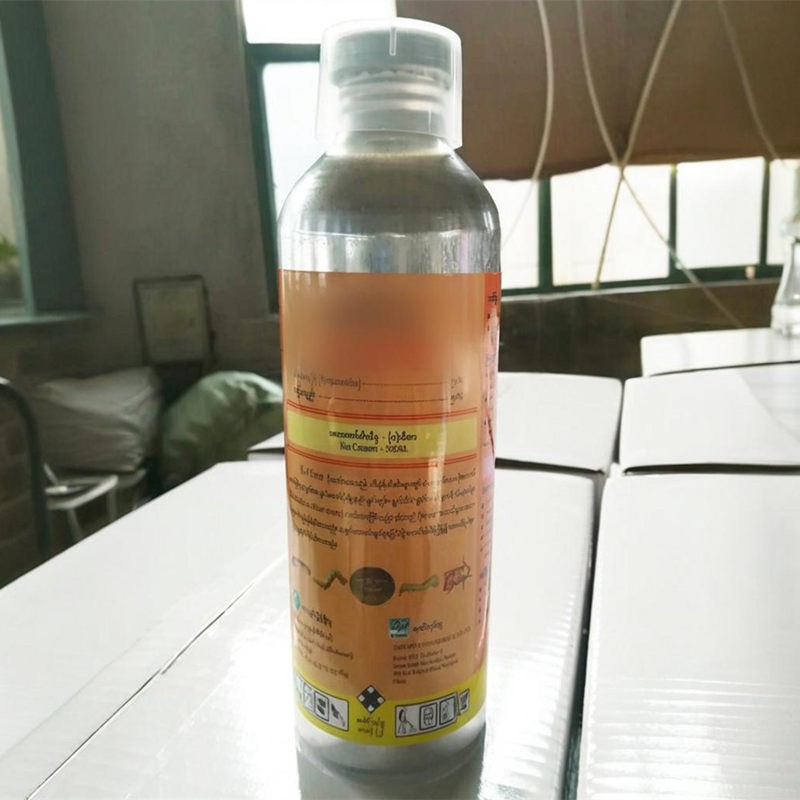
Can thiamethoxam be used in rice fields? That's a question I get asked a lot as a thiamethoxam supplier. In this blog, I'll dig into this topic, share some insights, and give you the lowdown on whether it's a good fit for rice fields.
First off, let's talk about what thiamethoxam is. Thiamethoxam is a second - generation neonicotinoid insecticide. It's known for its broad - spectrum activity against a wide range of sucking and chewing insects. It works by interfering with the insect's nervous system, causing paralysis and eventually death. This insecticide is highly systemic, which means it can be absorbed by the plant and transported throughout its tissues, providing long - lasting protection.
Now, when it comes to rice fields, there are several factors we need to consider before deciding if thiamethoxam is a go - to solution.
Pests in Rice Fields
Rice is attacked by numerous pests that can significantly reduce yields. Some of the common pests include rice stem borers, leafhoppers, and planthoppers. Stem borers bore into the rice stems, causing “dead hearts” in the vegetative stage and “white heads” in the reproductive stage. Leafhoppers and planthoppers suck the sap from the rice plants, weakening them and also transmitting viral diseases.
Thiamethoxam has shown good efficacy against many of these pests. For leafhoppers and planthoppers, its systemic nature allows it to be present in the plant sap. When these pests feed on the treated plants, they ingest the thiamethoxam, which then acts on their nervous system. In the case of stem borers, although they are more difficult to control compared to sucking pests, thiamethoxam can still have an impact, especially if applied at the right time and in the right way.
Application Methods
There are different ways to apply thiamethoxam in rice fields. One common method is seed treatment. Treating rice seeds with thiamethoxam before sowing can provide early - season protection. The young rice plants absorb the insecticide as they germinate and grow, protecting them from pests in the initial growth stages.

Another method is foliar spray. Foliar sprays can be used when pests are already present in the field. However, for foliar sprays to be effective, proper timing and coverage are crucial. You need to make sure that the spray reaches all parts of the plant, especially the areas where the pests are feeding.
Soil application is also an option. When applied to the soil, thiamethoxam can be taken up by the plant roots and transported to the above - ground parts. This method can provide long - term protection, but it may be more expensive and requires careful consideration of soil conditions.
Environmental Considerations
One of the concerns with using thiamethoxam in rice fields is its potential impact on the environment. Rice fields are often part of a complex ecosystem that includes beneficial insects, fish, and other organisms.
Thiamethoxam can be toxic to some beneficial insects, such as bees. Although rice is a wind - pollinated crop and doesn't rely on bees for pollination, there may still be bees in the vicinity of the rice fields. So, it's important to be cautious when using thiamethoxam, especially during the flowering period of nearby bee - dependent crops.
In addition, rice fields are often connected to water bodies. Thiamethoxam can leach into water, and its residues may have an impact on aquatic organisms. However, if used according to the recommended dosage and application methods, the risk can be minimized.
Regulatory Aspects
Regulations regarding the use of thiamethoxam in rice fields vary from country to country. In some regions, it is widely approved for use in rice production, while in others, there may be restrictions or specific guidelines.
Before using thiamethoxam in your rice fields, it's essential to check the local regulations. Make sure you are compliant with all the rules and requirements to avoid any legal issues.
Our Thiamethoxam Product - Thiamethoxam 350G/L SC
As a supplier, I'm proud to offer our Thiamethoxam 350G/L SC. This formulation is designed to be highly effective against a variety of rice pests. It has good solubility and can be easily mixed with water for different application methods.
The 350G/L SC formulation ensures a high concentration of thiamethoxam, which means you can use less product to achieve the same level of pest control. This not only saves you money but also reduces the environmental impact.
We've conducted several field trials, and the results have been very promising. In trials against rice leafhoppers and planthoppers, our Thiamethoxam 350G/L SC provided excellent control, reducing pest populations by up to 90% compared to untreated plots.
Conclusion
So, can thiamethoxam be used in rice fields? The answer is yes, but with some caveats. It can be an effective tool for controlling rice pests, but you need to consider factors like pest type, application methods, environmental impact, and regulatory requirements.
If you're a rice farmer looking for an effective pest control solution, our Thiamethoxam 350G/L SC could be a great option. We're here to support you with any questions you may have about using thiamethoxam in your rice fields. Whether it's advice on application rates, timing, or safety precautions, our team of experts is ready to assist.
If you're interested in purchasing our thiamethoxam products or want to discuss your specific pest control needs, don't hesitate to reach out. We're eager to start a conversation and help you find the best solution for your rice fields.
References
- Smith, J. (2020). Neonicotinoid insecticides: A review of their impact on pests and the environment. Journal of Agricultural Entomology, 37(2), 123 - 135.
- Brown, A. (2019). Efficacy of thiamethoxam against rice pests. Rice Research Journal, 25(4), 201 - 210.
- Green, C. (2021). Regulatory aspects of neonicotinoid use in agriculture. Agricultural Law Review, 15(1), 45 - 58.