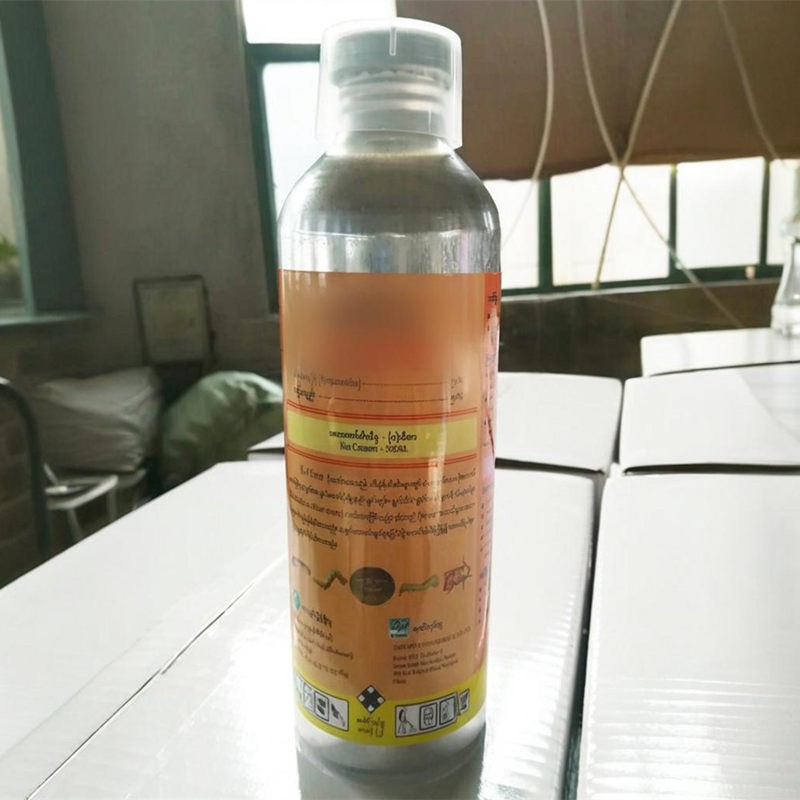
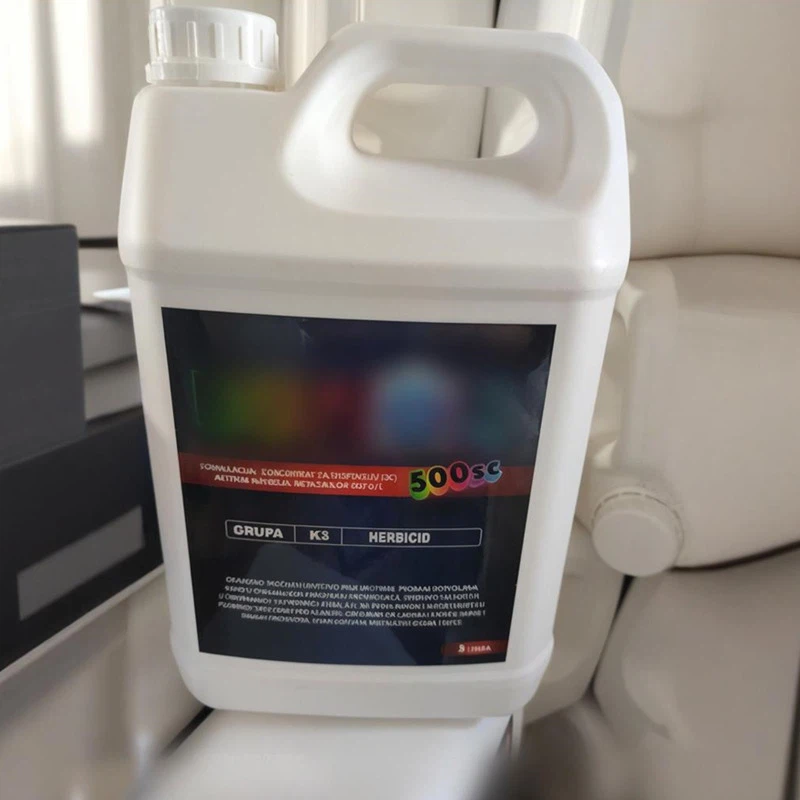
Hey there, turfgrass enthusiasts! As a mesotrione supplier, I'm super stoked to share with you the ins and outs of using mesotrione on turfgrass. Mesotrione is an absolute game - changer in the world of turf management, and I'm here to break down its specific application methods for you.
Understanding Mesotrione
First things first, let's get a basic understanding of what mesotrione is. It's a selective herbicide that belongs to the triketone family. What makes it so great for turfgrass is that it effectively controls a wide range of broad - leaf weeds and some grassy weeds while being relatively safe for most turfgrass species. It works by inhibiting an enzyme called 4 - hydroxyphenylpyruvate dioxygenase (HPPD), which is essential for the synthesis of carotenoids in plants. Without carotenoids, the weeds' chlorophyll gets broken down, leading to bleaching and eventually death.
Pre - Application Considerations
Before you start spraying mesotrione on your turfgrass, there are a few things you need to keep in mind.
Turfgrass Species
Not all turfgrasses react the same way to mesotrione. Some, like Kentucky bluegrass, tall fescue, and perennial ryegrass, are quite tolerant. However, bentgrass can be a bit more sensitive, especially during periods of stress. So, it's crucial to know your turfgrass species and do a small test patch if you're unsure.
Weed Spectrum
Identify the types of weeds you're dealing with. Mesotrione is great for controlling common broad - leaf weeds like dandelions, clover, and chickweed, as well as some grassy weeds like crabgrass and foxtail. But if you have a weed problem that mesotrione isn't effective against, you might need to consider a different herbicide or a combination treatment.
Weather Conditions
Weather plays a huge role in the effectiveness of mesotrione. Apply it when the temperature is between 60 - 85°F (15 - 29°C) and there's no heavy rain in the forecast for at least 24 hours. High temperatures can increase the risk of turfgrass injury, while rain can wash the herbicide off before it has a chance to work.
Application Methods
Foliar Spray
The most common way to apply mesotrione is through foliar spraying. Here's how you do it:
Equipment
You'll need a good quality sprayer. A backpack sprayer works well for small areas, while a boom sprayer is more suitable for larger turf areas. Make sure your sprayer is clean and calibrated correctly to ensure an even application.
Mixing
Follow the manufacturer's instructions for mixing mesotrione. Usually, you'll need to add the appropriate amount of mesotrione to water in the sprayer tank. Stir or agitate the mixture well to ensure it's thoroughly combined. For example, if you're using a product like Mesotrione 70G/L + Nicosulfuron 40G/L OD, make sure to follow the specific mixing guidelines provided on the label.
Application
Spray the mixture evenly over the turfgrass, making sure to cover all the weed - infested areas. Walk at a steady pace to ensure consistent coverage. Avoid spraying on windy days to prevent drift.
Granular Application
In some cases, a granular form of mesotrione can be used.
Equipment
You'll need a spreader, either a hand - held spreader for small areas or a broadcast spreader for larger ones.
Application
Calibrate your spreader according to the product label. Walk in a systematic pattern across the turfgrass area, spreading the granules evenly. After spreading, water the turf lightly to activate the mesotrione.

Post - Application Care
After applying mesotrione, there are a few things you need to do to ensure the best results.
Watering
Water the turfgrass lightly 24 - 48 hours after application. This helps to move the herbicide into the soil and root zone, where it can be taken up by the weeds. But don't over - water, as this can cause the herbicide to leach away.
Mowing
Avoid mowing the turfgrass for at least 2 - 3 days after application. This gives the mesotrione enough time to work on the weeds. When you do mow, make sure your mower blades are sharp to avoid tearing the turf.
Monitoring
Keep an eye on the turfgrass and the weeds over the next few weeks. You should start to see the weeds turning white or yellow within a few days, and they'll eventually die off. If you notice any signs of turfgrass injury, such as yellowing or browning, contact a turf expert for advice.
Dosage and Timing
The dosage of mesotrione depends on the turfgrass species, the type of weeds, and the product you're using. Always follow the product label for the correct dosage.
Timing is also crucial. For pre - emergent control of crabgrass, apply mesotrione in early spring before the crabgrass seeds germinate. For post - emergent control of broad - leaf weeds, apply it when the weeds are young and actively growing.
Benefits of Using Mesotrione on Turfgrass
Using mesotrione has several benefits.
Selectivity
As mentioned earlier, it's selective, which means it can control weeds without harming most turfgrass species. This allows you to have a healthy, weed - free turfgrass.
Long - lasting Control
Mesotrione provides long - lasting control of weeds. Once applied, it can keep your turfgrass weed - free for several weeks, reducing the need for frequent re - applications.
Environmental Friendliness
Compared to some other herbicides, mesotrione is relatively environmentally friendly. It has a low toxicity to mammals and breaks down relatively quickly in the environment.
Troubleshooting
Sometimes, things don't go as planned. Here are some common issues and how to solve them.
Turfgrass Injury
If you notice turfgrass injury, stop using mesotrione immediately. Water the turfgrass deeply to dilute the herbicide and reduce the stress on the turf. You can also apply a fertilizer with a high nitrogen content to help the turfgrass recover.
Weed Resistance
Over time, some weeds may develop resistance to mesotrione. If you notice that the herbicide isn't working as well as it used to, consider rotating to a different herbicide with a different mode of action.
Contact Us for Your Mesotrione Needs
If you're interested in purchasing mesotrione for your turfgrass management needs, we're here to help. Whether you have questions about application methods, dosage, or just want to place an order, don't hesitate to reach out. We offer high - quality mesotrione products at competitive prices, and our team of experts is always ready to provide you with the support you need.
References
- "Turfgrass Science and Management" by Peter H. Dernoeden, Bruce B. Clarke, and W. Carl Campbell.
- Product labels of mesotrione - based herbicides.
- Research papers on mesotrione application in turfgrass management from leading agricultural universities.