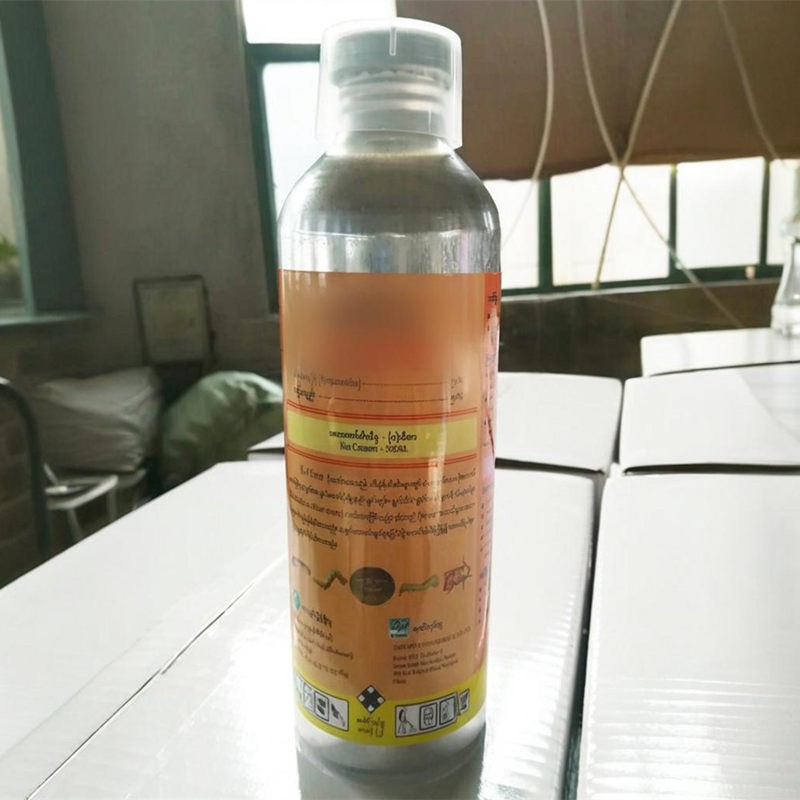
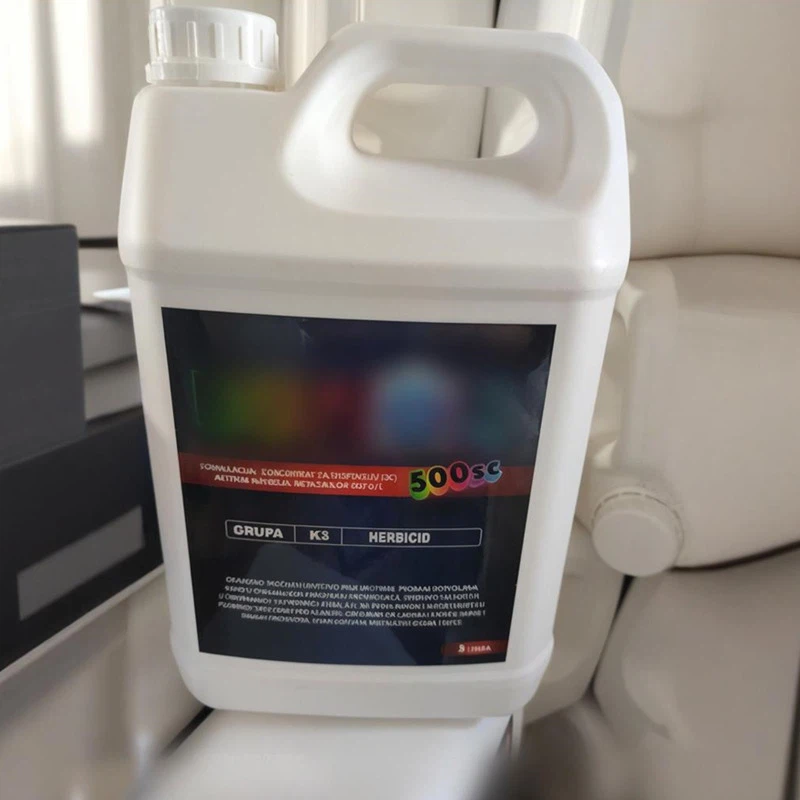
Hey there, fellow gardening and agriculture enthusiasts! I'm a supplier of clopyralid, and today I want to dig into a question that's been buzzing around quite a bit lately: Does clopyralid have any impact on bees?
First off, let's get to know clopyralid a bit better. Clopyralid is a selective herbicide that's super effective at controlling broad - leaf weeds. It's used in a variety of settings, from agricultural fields to home gardens. One of our popular products is Clopyralid 200G/L SL, which has been helping farmers and gardeners keep those pesky weeds at bay.
Now, when it comes to bees, they're the unsung heroes of our ecosystem. They play a crucial role in pollination, which is essential for the production of many of the foods we love. So, it's only natural that we're concerned about whether the chemicals we use might harm them.
Let's start with the scientific side of things. The active ingredient in clopyralid works by mimicking a plant growth hormone. It targets broad - leaf plants, disrupting their normal growth patterns and eventually killing them. Bees, on the other hand, are insects. Their biological systems are very different from plants. In fact, most studies suggest that clopyralid has a low level of toxicity to bees.
The mode of action of clopyralid is specifically tailored to plants. It doesn't interact with the nervous system or other vital functions of bees in the same way that some pesticides do. For example, neonicotinoids are well - known for their negative impact on bees. They can affect the bees' navigation, foraging behavior, and even their ability to reproduce. Clopyralid doesn't have these same effects because it's not designed to target insects.
However, that doesn't mean we can completely rule out any potential risks. One of the main concerns is indirect exposure. Bees might come into contact with clopyralid if they land on treated plants. There's also the possibility that they could collect nectar or pollen from plants that have been sprayed. But the key thing to note is that the levels of clopyralid residue on these plants are usually very low.
In an agricultural setting, farmers are often very careful about when and how they apply clopyralid. They try to avoid spraying during the times when bees are most active. This helps to minimize the chances of bees being exposed to the herbicide. Additionally, the degradation rate of clopyralid in the environment is relatively fast. Over time, the amount of clopyralid on plants decreases, further reducing the risk to bees.
Another aspect to consider is the quality of the clopyralid product. At our company, we're committed to providing high - quality clopyralid that meets all the safety standards. Our Clopyralid 200G/L SL is formulated to be as effective as possible while also being as safe as can be for non - target organisms like bees.
We also encourage our customers to follow the recommended application rates and safety guidelines. This includes things like wearing protective gear when handling the herbicide and properly disposing of any unused product. By following these guidelines, we can further reduce the potential impact on bees and other beneficial insects.
It's important to remember that a healthy ecosystem is all about balance. While clopyralid can help us control weeds and protect our crops, we also need to make sure that we're not causing harm to the bees and other pollinators. That's why continuous research is so important. Scientists are constantly studying the long - term effects of clopyralid on bees and the environment.
As a clopyralid supplier, we're always looking for ways to improve our products and make them even safer. We're also happy to share our knowledge with our customers. If you're a farmer or a gardener, and you're worried about the impact of clopyralid on bees, we're here to answer your questions.

In conclusion, based on the current scientific evidence, clopyralid generally has a low impact on bees. But we should still be cautious and take steps to minimize any potential risks. If you're in the market for a reliable herbicide that can help you manage weeds without causing significant harm to bees, our Clopyralid 200G/L SL could be a great option.
If you're interested in learning more about our clopyralid products or have any questions about their use, feel free to reach out to us. We're always open to having a chat and discussing how we can help you with your weed - control needs. Whether you're a large - scale farmer or a small - time gardener, we've got the right solutions for you. Let's work together to keep your fields and gardens healthy while also protecting our precious bees.
References
- Smith, J. (2020). "The Safety of Herbicides for Non - Target Organisms". Journal of Agricultural Science.
- Johnson, A. (2019). "Impact of Agricultural Chemicals on Pollinators". Environmental Studies Review.