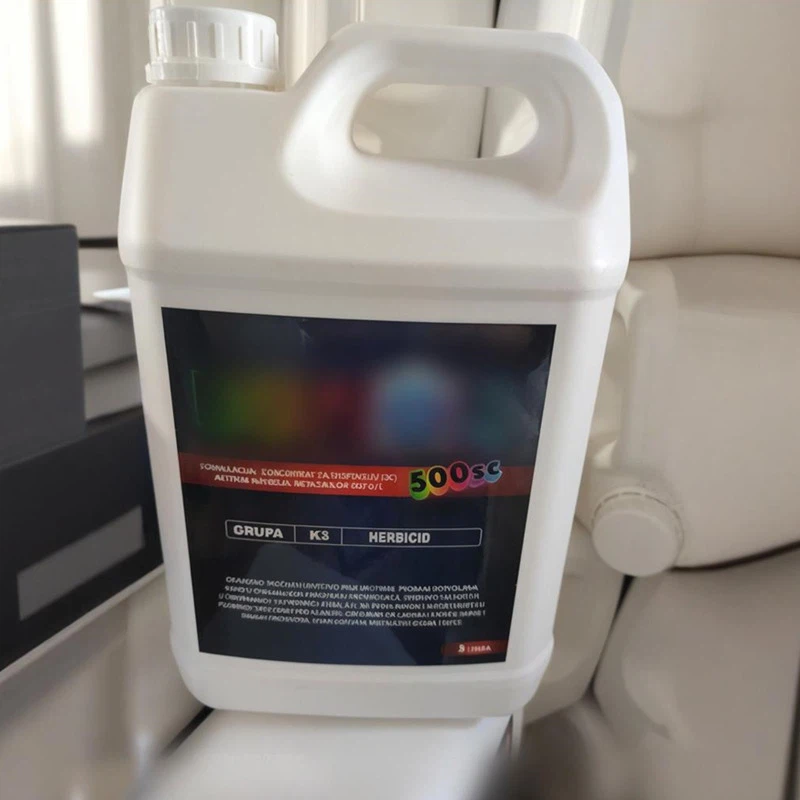
Profenofos is a widely used organophosphate insecticide known for its effectiveness against a variety of pests in agriculture. As a supplier of profenofos, I understand the importance of proper storage to maintain its quality and effectiveness. In this blog post, I will share some key considerations on how profenofos should be stored to ensure its optimal performance and safety.
Understanding Profenofos
Before delving into storage guidelines, it's essential to have a basic understanding of profenofos. Profenofos is a contact and stomach - acting insecticide that works by inhibiting the activity of acetylcholinesterase, an enzyme crucial for the proper functioning of the nervous system in insects. It is commonly formulated as an emulsifiable concentrate (EC), such as Profenofos 500G/L EC. This formulation is designed to be mixed with water and applied using spraying equipment.
Storage Location
Temperature Control
Profenofos should be stored in a cool, dry place. The ideal temperature range for storage is between 5°C and 35°C. Extreme temperatures can have a detrimental effect on the chemical stability of profenofos. High temperatures can cause the active ingredient to degrade more rapidly, reducing its effectiveness. For example, if stored in an unventilated shed during the summer months where temperatures can soar above 40°C, the profenofos may start to break down, leading to a decrease in its insecticidal properties.
On the other hand, very low temperatures can also pose problems. If the temperature drops below the freezing point of the formulation, it can cause the emulsion to separate or the product to crystallize. Once the product has undergone such physical changes, it may be difficult to restore its original properties, and its performance may be compromised.
Ventilation
A well - ventilated storage area is crucial. Profenofos is a chemical substance, and in case of any minor leaks or spills, proper ventilation helps to disperse any potentially harmful fumes. Storing profenofos in a confined, poorly ventilated space can lead to the accumulation of toxic vapors, which not only pose a health risk to anyone entering the storage area but can also react with other substances in the environment, potentially leading to chemical reactions that damage the product or storage facilities.
Protection from Sunlight
Profenofos should be kept away from direct sunlight. Ultraviolet (UV) rays from the sun can cause photodegradation of the active ingredient. Photodegradation is a chemical reaction where the UV light breaks down the chemical bonds in the profenofos molecule. This can result in the formation of by - products that may be less effective as insecticides or even have different toxicological properties. Therefore, storing profenofos in a shaded area or in a storage facility with opaque walls is recommended.
Storage Containers
Original Packaging
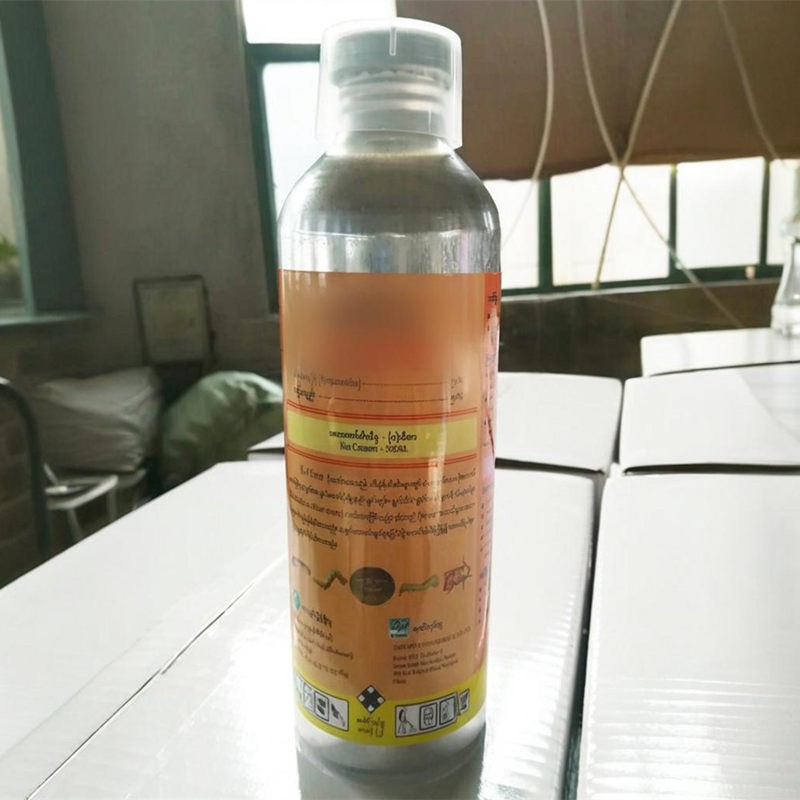
It is always best to store profenofos in its original packaging. The original containers are designed to be compatible with the chemical and are often made of materials that can prevent leakage and protect the product from external factors. They are also labeled with important information such as the product name, concentration, handling instructions, and safety precautions. If the product is transferred to another container, there is a risk of mislabeling or using an incompatible container material that may react with the profenofos.
Container Integrity
Regularly inspect the storage containers for any signs of damage, such as cracks, leaks, or bulging. A damaged container can lead to the release of profenofos into the environment, which is not only wasteful but also poses a significant safety and environmental risk. If a damaged container is detected, the product should be carefully transferred to a new, suitable container following proper safety procedures.
Separation and Compatibility
Separation from Other Chemicals
Profenofos should be stored separately from other chemicals, especially those that are incompatible. Incompatible chemicals can react with profenofos, leading to chemical reactions that may produce heat, toxic gases, or other hazardous substances. For example, strong oxidizing agents can react with organophosphate insecticides like profenofos, potentially causing an explosion or a fire. It is also important to separate profenofos from acids, bases, and other pesticides with different chemical properties.
Separation from Food and Feed
To prevent any accidental contamination, profenofos should be stored far away from food, feed, and other edible products. Even a small amount of profenofos contamination in food or feed can have serious health consequences for humans and animals. Therefore, it is recommended to have a dedicated storage area for pesticides that is not in the same vicinity as areas where food or feed is stored.
Safety Precautions
Personal Protective Equipment (PPE)
When handling profenofos during storage operations, such as moving containers or inspecting the storage area, appropriate PPE should be worn. This includes gloves, goggles, and a respirator if necessary. Gloves protect the hands from direct contact with the chemical, which can cause skin irritation or absorption into the body. Goggles prevent any splashes from entering the eyes, which can cause serious eye damage. A respirator helps to filter out any inhalable fumes or dust particles that may be present in the air.
Spill Response
A spill response plan should be in place in case of any accidental spills. In the event of a spill, the area should be immediately cordoned off to prevent unauthorized access. Absorbent materials, such as sand or vermiculite, can be used to soak up the spilled profenofos. The contaminated absorbent should then be carefully collected and disposed of according to local environmental regulations. It is also important to clean the spill area thoroughly to remove any remaining traces of the chemical.
Record - Keeping
Inventory Management
Maintaining accurate records of the profenofos inventory is essential. This includes information such as the quantity of product received, the date of receipt, the batch number, and the expiration date. By keeping track of the inventory, it is easier to manage the stock rotation, ensuring that the oldest products are used first. This helps to prevent the storage of expired products, which may be less effective or even pose a greater risk due to potential degradation.
Storage Conditions Monitoring
Records should also be kept of the storage conditions, such as temperature and humidity. This can be done using temperature and humidity sensors installed in the storage area. Regularly reviewing these records can help to identify any trends or deviations from the recommended storage conditions. If there are any issues, corrective actions can be taken promptly to ensure the quality of the stored profenofos.
Conclusion
Proper storage of profenofos is crucial for maintaining its quality, effectiveness, and safety. By following the guidelines on storage location, container management, separation, safety precautions, and record - keeping, we can ensure that the profenofos we supply remains in optimal condition until it reaches the end - user.
If you are interested in purchasing high - quality profenofos products, we are here to provide you with the best solutions. Our profenofos products are manufactured to the highest standards and come with detailed storage and usage instructions. Contact us for more information and to start a procurement discussion.
References
- "Insecticide Manual" - A comprehensive reference book on insecticides, including profenofos, which provides detailed information on its chemical properties, formulation, and storage requirements.
- Regulatory guidelines from environmental protection agencies regarding the storage and handling of pesticides, which outline the safety and environmental considerations for storing profenofos.
- Manufacturer's product literature for profenofos, which contains specific instructions on storage and handling based on the product's formulation.