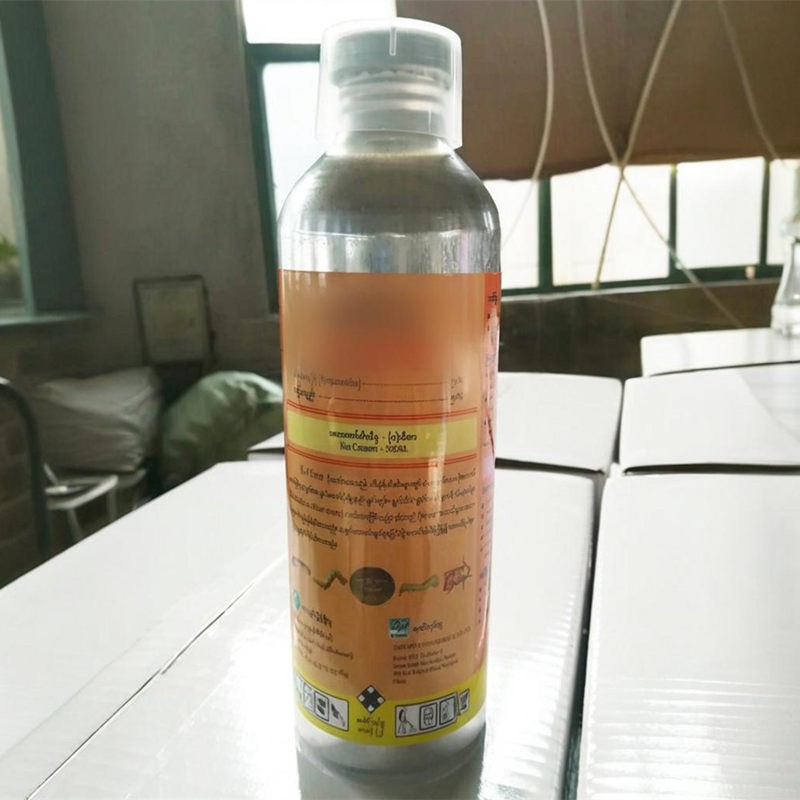
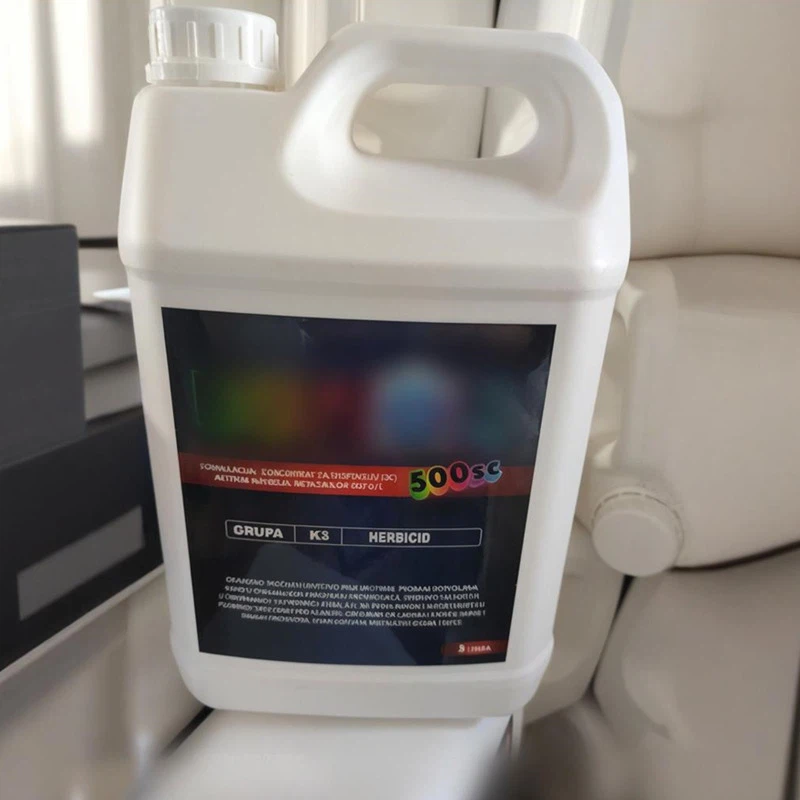
As a supplier of clopyralid, one question I often get asked is, "Does clopyralid have any odor?" This is a valid concern for many users, especially those who will be handling the product on a regular basis. In this blog post, I'll delve into the topic of clopyralid's odor, exploring what the scientific literature says and sharing some practical insights from my experience in the industry.
The Chemical Nature of Clopyralid
Clopyralid is a selective herbicide that belongs to the pyridine carboxylic acid family. It is widely used to control broad - leaf weeds in various crops, pastures, and non - crop areas. Chemically, its structure gives it specific properties, including its solubility and potential for volatility, which can be related to odor.
The pure form of clopyralid is a white to off - white crystalline solid. When it comes to odor, the scientific data indicates that clopyralid in its pure state has a very faint or almost negligible odor. This is because the chemical structure of clopyralid doesn't have highly volatile components that would readily vaporize and reach our olfactory receptors.
Odor in Commercial Formulations
However, in the real world, most users encounter clopyralid in commercial formulations rather than in its pure form. These formulations often contain other ingredients such as solvents, surfactants, and carriers, which can significantly affect the odor.

For example, Clopyralid 200G/L SL is a common liquid formulation. The solvents used in this formulation can have their own distinct odors. Some solvents are chosen for their ability to dissolve clopyralid effectively and ensure proper dispersion when the herbicide is applied. These solvents may range from relatively mild - smelling substances to those with more pungent odors.
The surfactants added to the formulation also play a role. Surfactants are used to improve the wetting and spreading of the herbicide on plant surfaces. Some surfactants can have a characteristic odor, which may be noticeable when the product is opened or applied.
Factors Affecting Perceived Odor
Several factors can influence whether a person perceives an odor from clopyralid formulations.
Concentration
Higher concentrations of the formulation are more likely to have a detectable odor. When the product is in a concentrated form, there are more molecules of the solvents and other additives that can volatilize and be smelled. For example, if you are handling a large container of Clopyralid 200G/L SL in a confined space, the odor may be more pronounced compared to when the product is diluted for application.
Application Method
The way the herbicide is applied can also affect odor perception. Spraying the product can cause the formulation to atomize into fine droplets, increasing the surface area available for evaporation. This can lead to a more noticeable odor in the air, especially in the immediate vicinity of the spraying area. On the other hand, if the product is applied through a drip - irrigation system, the odor may be less detectable as the product is more contained within the irrigation lines.
Environmental Conditions
Environmental factors such as temperature and humidity can impact the odor of clopyralid formulations. Higher temperatures generally increase the volatility of solvents and other additives, making the odor more likely to be detected. Humidity can also play a role, as it can affect the evaporation rate of the formulation components.
Safety and Odor
The presence of an odor in a clopyralid formulation is not necessarily an indication of a safety hazard. However, it is important to follow all safety precautions when handling any herbicide. Even if the odor is faint, it is still crucial to wear appropriate personal protective equipment (PPE), such as gloves, goggles, and a respirator if recommended by the product label.
The odor can serve as a warning signal, alerting users to the presence of the herbicide. But it should not be relied upon as the sole indicator of exposure. Some individuals may have a reduced sense of smell, or the odor may be masked by other scents in the environment.
Practical Experience
In my years as a clopyralid supplier, I've heard a range of feedback from customers regarding the odor of our products. Some customers report that they hardly notice any odor, especially when using the product outdoors with good ventilation. Others, particularly those working in enclosed spaces or handling large quantities, mention that they can detect a mild to moderate odor.
One customer who was using Clopyralid 200G/L SL in a greenhouse noted that the odor was more noticeable during the initial mixing of the product. However, once the product was diluted and applied through the irrigation system, the odor dissipated quickly.
Conclusion
In conclusion, pure clopyralid has a very faint or negligible odor. However, commercial formulations of clopyralid, such as Clopyralid 200G/L SL, may have an odor due to the solvents, surfactants, and other additives used. The perception of this odor can be influenced by factors such as concentration, application method, and environmental conditions.
If you are considering using clopyralid for your weed - control needs, I encourage you to reach out to us for more information. We can provide detailed product specifications, safety data, and answer any questions you may have about the odor or other aspects of our clopyralid products. Whether you are a large - scale farmer, a professional landscaper, or a small - scale gardener, we are here to assist you in making the best choice for your weed - management requirements. Feel free to contact us to start a procurement discussion and find the right clopyralid solution for you.
References
- "The Chemistry and Mode of Action of Pyridine Carboxylic Acid Herbicides" - Journal of Agricultural and Food Chemistry
- Product label of Clopyralid 200G/L SL
- Industry reports on herbicide formulations and their properties.