The development history of thiacloprid is a fascinating journey that combines scientific innovation, agricultural needs, and environmental considerations. As a supplier of thiacloprid, I have witnessed firsthand the evolution of this important insecticide and its impact on the agricultural industry.
Early Beginnings and the Need for a New Insecticide
In the late 20th century, the agricultural sector was facing significant challenges from insect pests. Traditional insecticides were losing their effectiveness due to the development of resistance in pest populations. There was also growing concern about the environmental impact of these chemicals, including their toxicity to non - target organisms and the potential for groundwater contamination.
Scientists at Bayer CropScience recognized the need for a new, more effective, and environmentally friendly insecticide. They began a research and development program focused on the class of neonicotinoid insecticides. Neonicotinoids were a relatively new group of chemicals that showed promise in terms of their high selectivity for insects and low mammalian toxicity.
The Discovery of Thiacloprid
The discovery of thiacloprid was the result of extensive research and screening processes. Scientists at Bayer were looking for compounds that could effectively control a wide range of sucking and chewing insects, such as aphids, whiteflies, and beetles, while minimizing harm to beneficial insects and the environment.
Thiacloprid was first synthesized in the 1990s. It was designed to have a unique chemical structure that allowed it to bind specifically to the nicotinic acetylcholine receptors in the insect nervous system. This binding disrupts the normal functioning of the nervous system, leading to paralysis and eventual death of the insect.
One of the key advantages of thiacloprid over some other neonicotinoids was its relatively low toxicity to bees at the recommended application rates. This was a crucial factor in the development of the compound, as bees play a vital role in pollination and the overall health of ecosystems.
Pre - commercialization Research and Testing
Before thiacloprid could be introduced to the market, it had to undergo rigorous pre - commercialization research and testing. This included studies on its efficacy against different pest species, its safety for humans, animals, and the environment, and its compatibility with other agricultural inputs.
Field trials were conducted in various regions around the world to evaluate the performance of thiacloprid under different agricultural conditions. These trials showed that thiacloprid was highly effective in controlling a wide range of pests, leading to significant increases in crop yields.

Toxicity studies were also carried out to assess the potential risks associated with thiacloprid. The results indicated that thiacloprid had a low acute toxicity to mammals, birds, and fish. However, as with all pesticides, proper handling and application procedures were necessary to ensure safety.
Commercialization and Market Introduction
In the early 2000s, thiacloprid was commercialized and introduced to the market. It was initially launched in Europe and quickly gained popularity among farmers due to its effectiveness and relatively low environmental impact.
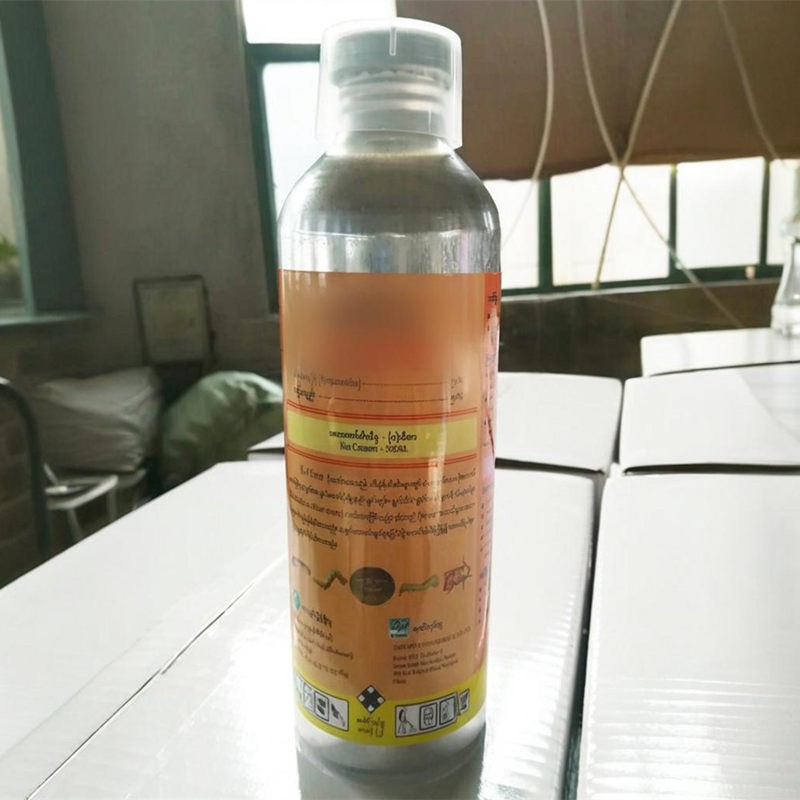
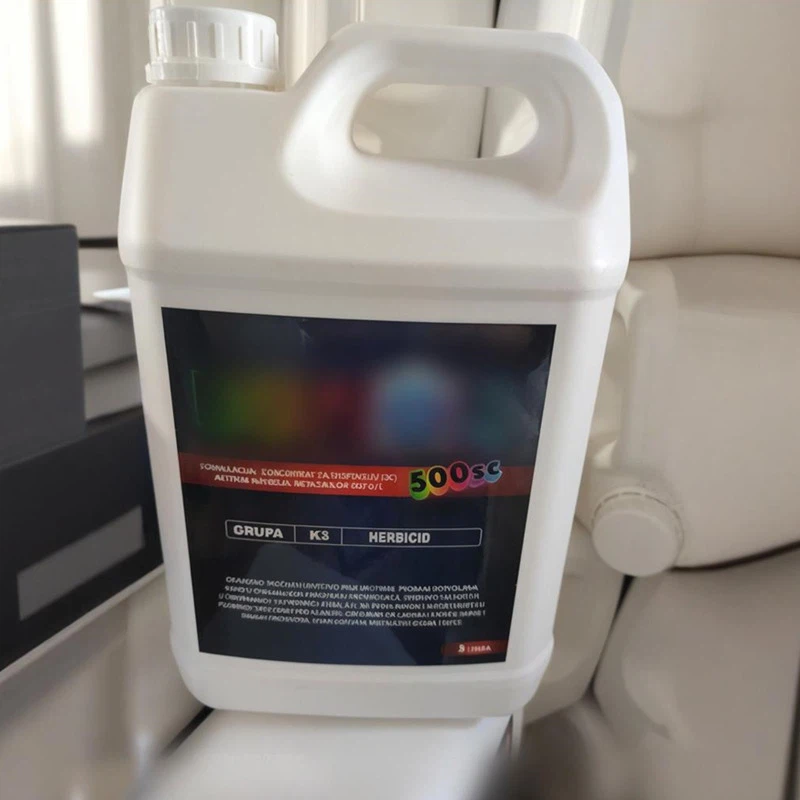
The product was formulated in different forms, such as Thiacloprid 240G/L OD, which offered ease of use and good stability. This formulation was suitable for a variety of application methods, including foliar spraying, seed treatment, and soil drenching.
As the demand for thiacloprid grew, it was gradually introduced to other regions around the world, including Asia, North America, and South America. It became an important tool in integrated pest management (IPM) programs, where it was used in combination with other pest control methods to achieve sustainable pest management.
Post - commercialization Developments and Improvements
Since its commercialization, there have been continuous efforts to improve thiacloprid and its formulations. Scientists have been working on developing new formulations that offer better performance, such as improved rainfastness and longer residual activity.
There has also been research on the use of thiacloprid in combination with other active ingredients to enhance its efficacy against resistant pest populations. For example, some formulations now combine thiacloprid with other insecticides or fungicides to provide a more comprehensive pest and disease control solution.
In addition, there has been an increased focus on the environmental fate and behavior of thiacloprid. Studies have been conducted to understand how thiacloprid degrades in the environment, its potential for bioaccumulation, and its impact on non - target organisms. This information has been used to develop more sustainable application practices and to ensure the long - term safety of thiacloprid use.
Challenges and Controversies
Like all pesticides, thiacloprid has faced some challenges and controversies. One of the main concerns has been its potential impact on bees and other pollinators. Although thiacloprid has a relatively low toxicity to bees compared to some other neonicotinoids, there have been studies suggesting that it may still have sub - lethal effects on bee behavior and health.
In response to these concerns, regulatory authorities around the world have implemented stricter regulations on the use of thiacloprid and other neonicotinoids. These regulations include restrictions on application rates, timing, and methods to minimize the exposure of bees to the pesticide.
Another challenge has been the development of resistance in pest populations. Over time, some pests have developed resistance to thiacloprid, which has reduced its effectiveness in certain areas. To address this issue, farmers are being encouraged to use thiacloprid as part of a rotation program with other insecticides to delay the development of resistance.
The Future of Thiacloprid
Despite the challenges, the future of thiacloprid looks promising. With ongoing research and development, it is likely that new and improved formulations of thiacloprid will be developed that offer better performance and reduced environmental impact.
There is also a growing trend towards the use of thiacloprid in organic and sustainable agriculture. Some formulations of thiacloprid are now being approved for use in organic farming systems, which indicates its potential to meet the needs of a more environmentally conscious agricultural sector.
As a supplier of thiacloprid, we are committed to working with farmers, researchers, and regulatory authorities to ensure the safe and effective use of thiacloprid. We believe that thiacloprid will continue to play an important role in pest management in the coming years, helping farmers to protect their crops and increase their yields.
If you are interested in learning more about thiacloprid or are looking to purchase our thiacloprid products, we invite you to contact us for a detailed discussion about your specific needs. Our team of experts is ready to provide you with the best solutions and support for your agricultural pest management requirements.
References
- Elbert, A., et al. "Neonicotinoid insecticides." Pest Management Science. 2008.
- Bonmatin, J - M., et al. "Neonicotinoids in bees: a review on concentrations, side - effects and risk assessment." Environmental Science and Pollution Research. 2015.
- Jeschke, P., et al. "The neonicotinoid insecticides." Pest Management Science. 2011.