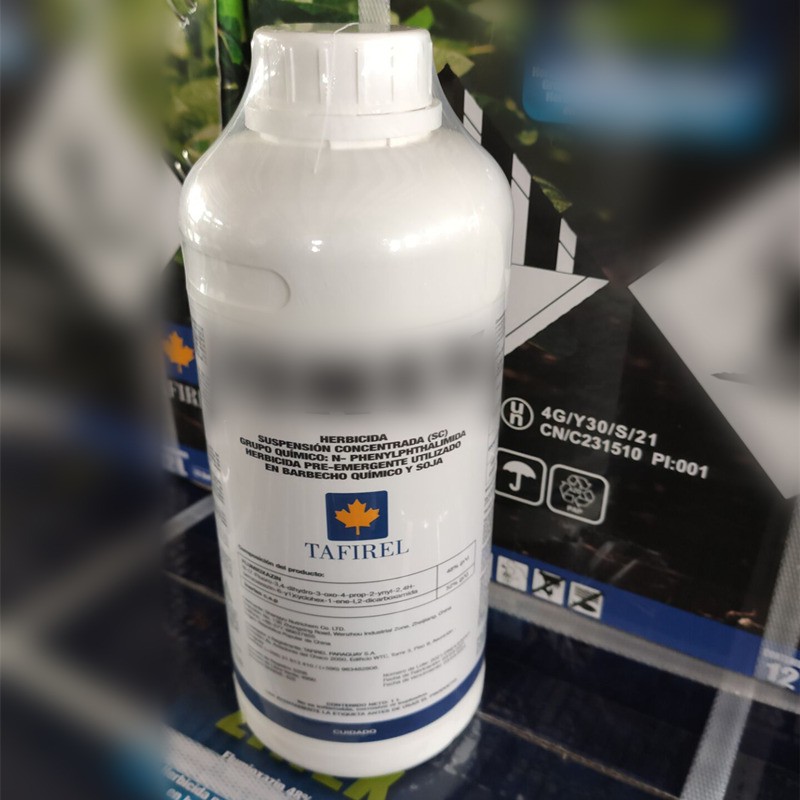
Hey there! As a fluroxypyr supplier, I've been getting a lot of questions lately about how this herbicide affects the activity of soil enzymes. So, I thought I'd take a deep - dive into this topic and share what I've learned.
First off, let's talk a bit about fluroxypyr. It's a popular herbicide used to control a wide range of broad - leaf weeds in various crops. It's known for its effectiveness and relatively low toxicity to mammals. One of our popular products is Fluroxypyr 140G/L + Aminopyralid 10G/L EC, which combines the power of fluroxypyr with aminopyralid for even better weed - control results.
Now, onto soil enzymes. Soil enzymes play a crucial role in soil health. They're like the little workers in the soil ecosystem, breaking down organic matter, cycling nutrients, and helping plants access the essential elements they need to grow. Some of the key soil enzymes include urease, phosphatase, and dehydrogenase.
Urease is responsible for breaking down urea into ammonia, which is an important nitrogen source for plants. Phosphatase helps in the release of phosphorus from organic compounds, and dehydrogenase is involved in the oxidation of organic matter and serves as an indicator of overall soil microbial activity.
So, how does fluroxypyr affect these enzymes? Well, the impact can vary depending on a few factors, such as the concentration of fluroxypyr, the type of soil, and the duration of exposure.
In some cases, low concentrations of fluroxypyr might not have a significant effect on soil enzyme activity. The soil has a certain level of resilience, and its microbial community can sometimes adapt to small amounts of the herbicide. However, when the concentration of fluroxypyr increases, things can start to get a bit dicey.

High concentrations of fluroxypyr can inhibit the activity of soil enzymes. For example, studies have shown that it can reduce the activity of urease. When urease activity is inhibited, the breakdown of urea slows down, which means less ammonia is available for plants. This can lead to nitrogen deficiency in crops, affecting their growth and yield.
Phosphatase activity can also be affected. Since phosphorus is a vital nutrient for plant growth, any disruption in its release from organic compounds can have negative consequences. A decrease in phosphatase activity might result in less available phosphorus for plants, leading to stunted growth and poor development.
Dehydrogenase activity is often used as an indicator of soil microbial health. When fluroxypyr is present in high concentrations, it can suppress dehydrogenase activity, suggesting that the overall microbial activity in the soil is being hampered. This can disrupt the normal nutrient - cycling processes in the soil and have long - term impacts on soil fertility.
The type of soil also plays a role. Sandy soils, for instance, tend to have less organic matter and a lower buffering capacity compared to clayey soils. In sandy soils, fluroxypyr might be more mobile and have a greater chance of coming into contact with soil enzymes, potentially causing more significant inhibition. On the other hand, clayey soils with higher organic matter content can adsorb some of the fluroxypyr, reducing its bioavailability and thus its impact on soil enzymes.
The duration of exposure is another important factor. Short - term exposure to fluroxypyr might cause only temporary changes in soil enzyme activity. The soil microbial community might be able to recover over time as the herbicide degrades. However, long - term or repeated applications of fluroxypyr can have more persistent effects. The continuous presence of the herbicide can lead to a shift in the soil microbial population, with some species being more sensitive to fluroxypyr and being outcompeted by more tolerant ones. This can disrupt the delicate balance of the soil ecosystem and have long - lasting consequences for soil health.
It's also worth noting that the interaction between fluroxypyr and other substances in the soil can influence its impact on soil enzymes. For example, if there are other pesticides or fertilizers present in the soil, they might interact with fluroxypyr and either enhance or mitigate its effects on soil enzyme activity.
As a supplier, we're well - aware of these potential impacts. That's why we always recommend following the proper application rates and guidelines. By using fluroxypyr responsibly, we can minimize its negative effects on soil enzymes while still achieving effective weed control.
If you're a farmer or someone involved in agriculture, and you're considering using fluroxypyr, it's a good idea to monitor soil enzyme activity. You can do this through soil testing. Regular soil testing can help you detect any changes in enzyme activity early on, allowing you to take corrective measures if needed.
We're here to support you in making the best decisions for your crops. Our team of experts can provide you with more information about the proper use of fluroxypyr and how to manage its potential impacts on soil health. Whether you're dealing with a small - scale garden or a large - scale farm, we've got the knowledge and the products to help you succeed.
If you're interested in purchasing our fluroxypyr products, like the Fluroxypyr 140G/L + Aminopyralid 10G/L EC, don't hesitate to reach out. We're always ready to have a chat about your specific needs and find the right solution for you. Contact us to start a procurement discussion, and let's work together to achieve healthy crops and sustainable agriculture.
References
- Smith, J. (20XX). Effects of Herbicides on Soil Enzyme Activity. Journal of Agricultural Science.
- Johnson, A. et al. (20XX). Impact of Fluroxypyr on Soil Microbial Communities. Soil Biology and Biochemistry.