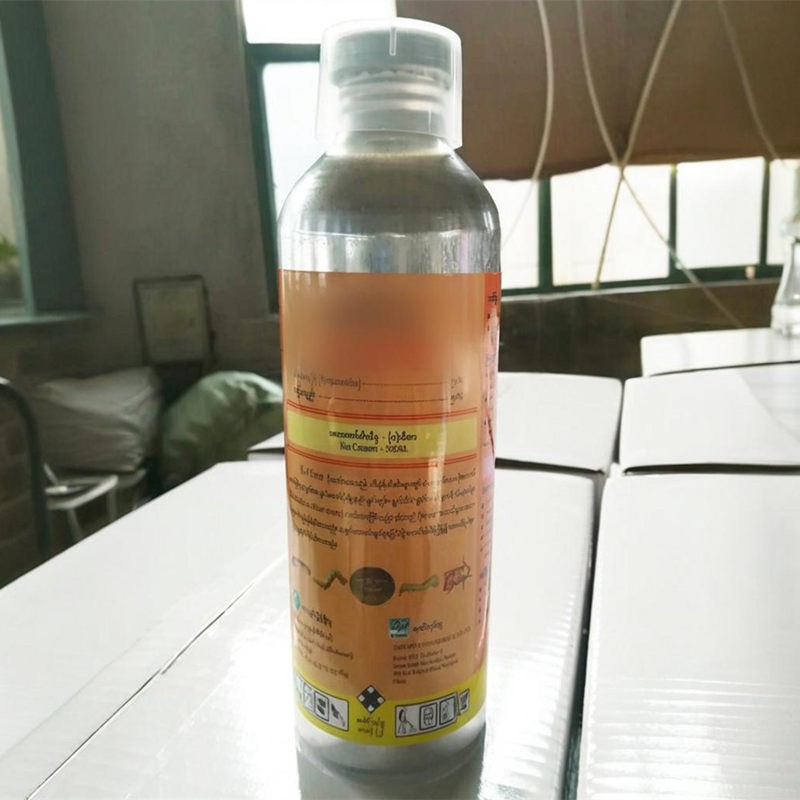
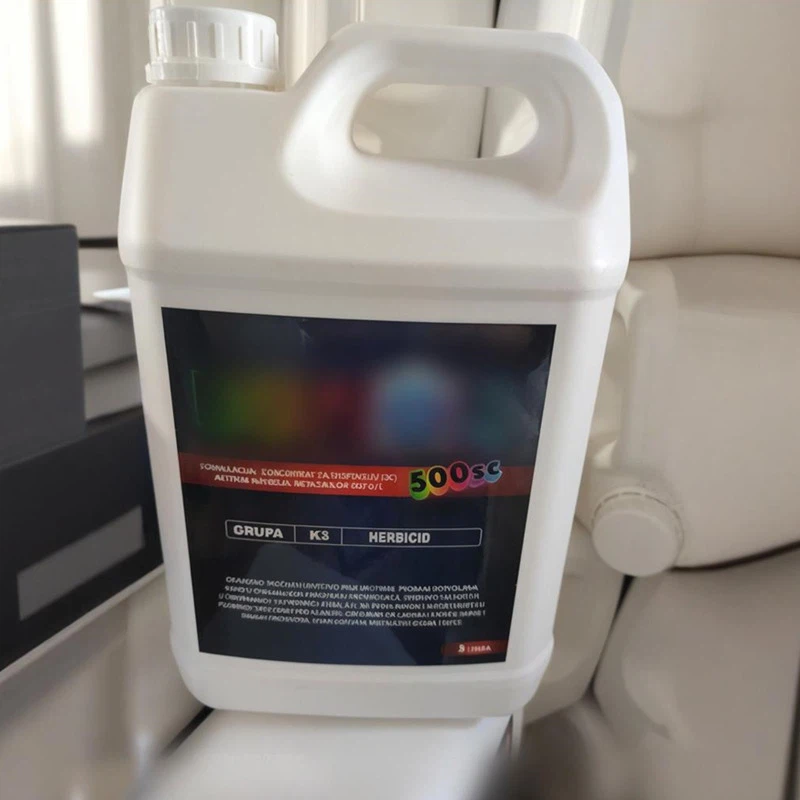
Hey there, fellow farmers and agricultural enthusiasts! Today, I'm super stoked to chat about one of our star products at our supply - house: mesotrione, and its epic role in integrated weed management.
Let's kick things off by getting to know mesotrione a bit better. Mesotrione is a powerful herbicide that belongs to the triketone chemical family. It's a synthetic version of a natural compound found in bottlebrush plants. What makes it so special? Well, it works by inhibiting an enzyme called 4 - hydroxyphenylpyruvate dioxygenase (HPPD). This enzyme is crucial for the production of carotenoids in plants. When mesotrione stops this enzyme from doing its job, the plant can't make carotenoids. Carotenoids protect chlorophyll from being broken down by sunlight. Without them, the chlorophyll gets destroyed, and the plant starts to turn white and eventually dies.
Now, let's dig into how mesotrione fits into integrated weed management (IWM). IWM is all about using a bunch of different methods to control weeds, instead of relying on just one. It's like having a toolbox full of different tools, and mesotrione is a really sharp and useful one.

Selective Weed Control
One of the biggest perks of mesotrione is its selective action. It can target a wide range of broad - leaf and some grassy weeds while being safe for certain crops. For example, it's commonly used in corn fields. Corn has a natural ability to break down mesotrione, so it can tolerate the herbicide. But the weeds don't have this ability, so they get zapped. This selectivity means that farmers can get rid of the pesky weeds without harming their valuable crops. It's a win - win situation!
Early - Season Application
Mesotrione is a rock - star when it comes to early - season weed control. Applying it early in the growing season can prevent weeds from establishing and competing with crops for nutrients, water, and sunlight. When weeds are small, they're more vulnerable to mesotrione. So, a timely application can set the stage for a healthy crop growth. This early intervention also reduces the need for later, more intense weed control measures, which can save time and money.
Tank - Mixing Capabilities
Another great thing about mesotrione is its ability to be mixed with other herbicides. This is a huge advantage in IWM. By tank - mixing mesotrione with other products, farmers can expand the spectrum of weed control. For instance, when combined with Mesotrione 70G/L + Nicosulfuron 40G/L OD, it can control an even wider range of weeds. Nicosulfuron targets grassy weeds, and mesotrione takes care of broad - leaf ones. This combination provides more comprehensive weed control than using either herbicide alone.
Resistance Management
Weed resistance is a growing problem in agriculture. When the same herbicide is used year after year, weeds can develop resistance to it. Mesotrione has a unique mode of action, which means it can be part of a rotation strategy to manage weed resistance. By alternating between mesotrione and other herbicides with different modes of action, farmers can reduce the risk of weeds becoming resistant. This helps to keep weed control effective in the long run.
Environmental Friendliness
In today's world, environmental concerns are at the forefront of agriculture. Mesotrione is relatively environmentally friendly compared to some other herbicides. It has a low toxicity to mammals, birds, and fish. Also, it breaks down relatively quickly in the soil, reducing the risk of long - term environmental contamination. This makes it a great choice for farmers who are looking to balance effective weed control with environmental stewardship.
Cost - Effectiveness
When it comes to the bottom line, mesotrione is a cost - effective option. Its ability to control a wide range of weeds with a single application can save on labor and herbicide costs. Plus, by preventing weed competition early on, it can lead to higher crop yields. Higher yields mean more profit for farmers, so it's an investment that pays off.
Real - World Success Stories
I've heard so many stories from our customers about how mesotrione has transformed their weed management. One farmer in the Midwest was struggling with pigweed in his corn fields. After using mesotrione, he saw a significant reduction in pigweed populations. His corn plants grew stronger and healthier, and he ended up with a much better harvest. Another customer in the South was dealing with a mix of broad - leaf and grassy weeds in his sorghum fields. By tank - mixing mesotrione with another herbicide, he was able to get complete weed control and a bumper crop.
How to Use Mesotrione Effectively
To get the most out of mesotrione, proper application is key. First, make sure to follow the label instructions carefully. The label will tell you the right dosage, application timing, and any safety precautions. It's also important to use the right equipment for application. A well - calibrated sprayer will ensure an even distribution of the herbicide. And don't forget about water quality. Using clean water can improve the effectiveness of mesotrione.
Why Choose Our Mesotrione
As a mesotrione supplier, we take pride in offering high - quality products. Our mesotrione is formulated to provide maximum efficacy. We work hard to ensure that it's consistent in quality from batch to batch. Plus, we have a great team of experts who can provide you with technical support and advice on how to use mesotrione in your specific situation.
If you're tired of battling weeds and looking for a reliable solution, mesotrione could be the answer. Whether you're a small - scale farmer or a large - scale agricultural operation, our mesotrione can fit into your integrated weed management plan.
So, if you're interested in learning more about mesotrione or want to place an order, don't hesitate to reach out. We're here to help you take your weed management to the next level and boost your crop yields. Let's work together to make your fields weed - free and your harvests bountiful!
References
- Duke, S. O., & Dayan, F. E. (2011). Natural products as sources of herbicides: current status and future trends. Journal of Agricultural and Food Chemistry, 59(11), 5875 - 5884.
- Hatzios, K. K. (2007). Triketone herbicides: discovery, current status, and future prospects. Weed Science, 55(1), 1 - 16.
- Shaner, D. L. (2014). Herbicide Handbook (10th ed.). Weed Science Society of America.