Fipronil, a well - known insecticide, has gained significant attention in the pest control industry. As a fipronil supplier, I have witnessed firsthand the remarkable effectiveness of this chemical in combating various pests. In this blog, I will delve into how fipronil affects the nervous system of pests, providing a detailed scientific explanation of its mode of action.
The Structure and Properties of Fipronil
Fipronil belongs to the phenylpyrazole class of insecticides. Its chemical structure is quite unique, which plays a crucial role in its interaction with the pest's nervous system. The molecule consists of a pyrazole ring with several substituents, including a trifluoromethylsulfinyl group. This specific structure allows fipronil to have high affinity for certain receptors in the pest's nerve cells.
One of the key properties of fipronil is its high lipophilicity. This means that it can easily penetrate the lipid - rich cell membranes of the pest's nerve cells. Once inside the cell, it can reach its target sites and exert its toxic effects on the nervous system.
Target Sites in the Pest's Nervous System
The primary target of fipronil in the pest's nervous system is the gamma - aminobutyric acid (GABA) - gated chloride channels. GABA is an inhibitory neurotransmitter in the nervous system of pests. When GABA binds to its receptors on the nerve cell membrane, it opens the chloride channels, allowing chloride ions to flow into the cell. This influx of chloride ions hyperpolarizes the nerve cell, making it less likely to generate an action potential and thus inhibiting nerve impulse transmission.

Fipronil acts as a non - competitive antagonist of the GABA - gated chloride channels. It binds to a site on the channel that is different from the GABA - binding site. Once fipronil binds to this site, it blocks the normal function of the chloride channels. As a result, the channels cannot open properly in response to GABA, and the normal inhibitory function of GABA is disrupted.
Another target of fipronil is the glutamate - gated chloride channels. Glutamate is another important neurotransmitter in the pest's nervous system, especially in invertebrates. Similar to the GABA - gated chloride channels, fipronil also binds to and blocks the glutamate - gated chloride channels. By interfering with these two types of chloride channels, fipronil severely disrupts the normal functioning of the pest's nervous system.
Effects on Nerve Impulse Transmission
The blockade of GABA - gated and glutamate - gated chloride channels by fipronil has profound effects on nerve impulse transmission in pests. Normally, the nervous system maintains a delicate balance between excitatory and inhibitory signals. The inhibitory signals mediated by GABA and glutamate are essential for regulating the firing of nerve cells and coordinating the overall function of the nervous system.
When fipronil disrupts the function of these chloride channels, the inhibitory signals are weakened. This leads to an imbalance in the nervous system, with an over - dominance of excitatory signals. As a result, nerve cells become hyperexcitable. They start to fire action potentials more frequently and uncontrollably.
This hyperexcitation of nerve cells causes a series of abnormal behaviors in pests. Initially, pests may show symptoms such as tremors, convulsions, and uncoordinated movements. These are the manifestations of the disrupted nerve impulse transmission in the motor control centers of the nervous system. As the effects of fipronil progress, the excessive nerve activity eventually leads to paralysis. The pests lose the ability to move, feed, or perform other normal physiological functions.
Selectivity of Fipronil
One of the remarkable features of fipronil is its selectivity towards pests. It has a much higher affinity for the GABA - gated and glutamate - gated chloride channels in invertebrates (such as insects, termites, and cockroaches) compared to those in mammals. This is mainly due to the structural differences between the chloride channels in invertebrates and mammals.
In invertebrates, the binding sites on the chloride channels have a specific conformation that allows fipronil to bind tightly and effectively block the channels. In contrast, in mammals, the structure of these channels is different, and fipronil has a lower affinity for them. This selectivity makes fipronil a relatively safe and effective insecticide for pest control in agricultural and household settings.
Applications in Pest Control
Fipronil's ability to disrupt the nervous system of pests makes it a widely used insecticide in various pest control scenarios. In agriculture, it is used to control a wide range of pests, including aphids, thrips, and beetles. It can be applied as a seed treatment, foliar spray, or soil drench. When used as a seed treatment, fipronil is absorbed by the growing plant and provides long - term protection against pests.
In the household environment, fipronil is used to control pests such as cockroaches, ants, and fleas. For example, fipronil - based baits are very effective in controlling cockroach infestations. The pests are attracted to the bait, consume it, and then the fipronil in the bait starts to affect their nervous system, leading to their death.
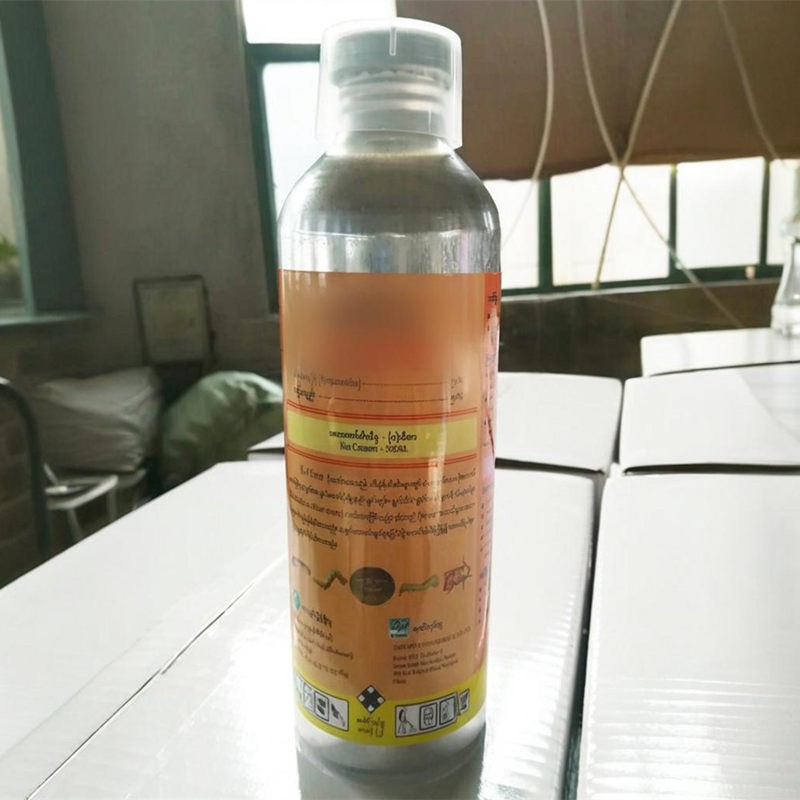
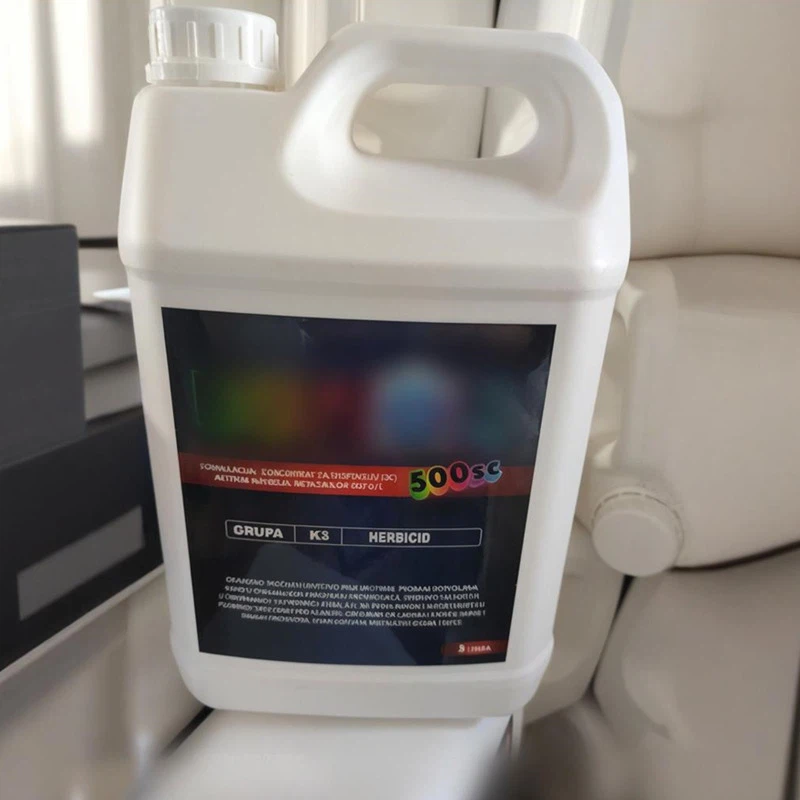
One of our popular products is Fipronil 200G/L SC. This formulation is highly effective and easy to use. It can be applied in different ways according to the specific pest control needs.
Conclusion
In conclusion, fipronil is a powerful insecticide that exerts its toxic effects on pests by targeting the GABA - gated and glutamate - gated chloride channels in their nervous system. By blocking these channels, it disrupts the normal nerve impulse transmission, leading to hyperexcitation, abnormal behaviors, paralysis, and ultimately the death of the pests. Its selectivity towards invertebrates makes it a valuable tool in pest control while minimizing the risk to mammals.
If you are interested in purchasing fipronil products for your pest control needs, I encourage you to contact us for further discussion. We can provide you with detailed information about our products, including their usage, dosage, and safety precautions. Our team of experts is always ready to assist you in finding the most suitable fipronil solution for your specific situation.
References
- Bloomquist, J. R. (2003). Mode of action of phenylpyrazole insecticides. Pesticide Biochemistry and Physiology, 77(2), 1-16.
- Casida, J. E., & Durkin, K. A. (2013). Insecticides acting at gamma - aminobutyric acid - gated chloride channels. Annual Review of Entomology, 58, 97 - 118.
- ffrench - Constant, R. H., & Rocheleau, T. A. (1999). Insecticide target - site resistance: mutations and molecular modelling. Pesticide Science, 55(1), 9 - 15.