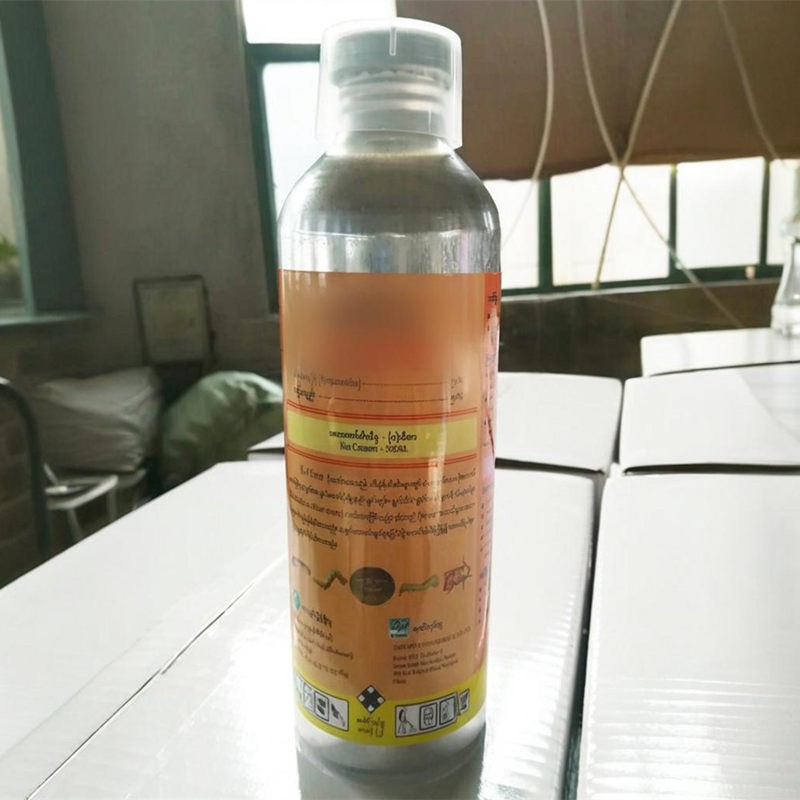
Hey there! As a supplier of flumioxazin, I've gotten tons of questions about how this herbicide works, especially in warm climates. So, I thought I'd sit down and share what I know.
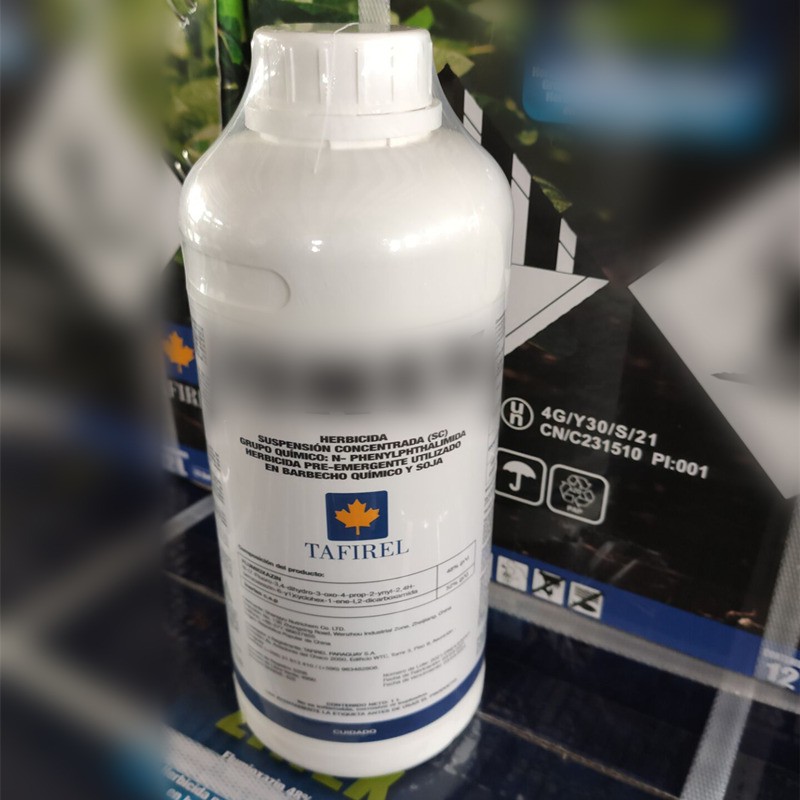
First off, let's talk a bit about flumioxazin itself. Flumioxazin is a pre - emergent and early post - emergent herbicide. It's super effective against a wide range of broadleaf weeds and some grasses. You can check out Flumioxazin 480G/L SC for more detailed product info.
Now, how does it work in warm climates? Well, warm climates have their own unique set of conditions that can both help and challenge the performance of herbicides.
The Mechanism of Flumioxazin
Flumioxazin works by inhibiting protoporphyrinogen oxidase (PPO), an enzyme that's crucial in the biosynthesis of chlorophyll. When a weed absorbs flumioxazin, the PPO enzyme gets blocked. This leads to the accumulation of a toxic intermediate, which causes the destruction of cell membranes. As a result, the weed cells start to leak, and the plant essentially bleeds out and dies.
In warm climates, the high temperatures can speed up the metabolic processes in plants. This means that the uptake and translocation of flumioxazin within the weed can be faster. When it's hot, the weed's stomata (tiny pores on the leaves) are often more open. This allows for better absorption of the herbicide through foliar application. If it's applied as a pre - emergent, the warm soil temperatures can also enhance the movement of the herbicide in the soil, making it more available to the germinating weed seeds.
Soil Conditions in Warm Climates
One of the key factors in warm climates is the soil. Warm regions often have well - drained soils due to the high evaporation rates. Flumioxazin has good soil activity, and in well - drained soils, it can be more evenly distributed. The soil microorganisms in warm climates are also more active. These microorganisms can break down organic matter, which in turn can release flumioxazin that might have been bound to the organic particles. This increases the herbicide's bioavailability to the weeds.
However, there's a flip side. In some warm areas, the soil can be sandy. Sandy soils have low organic matter content and poor water - holding capacity. Flumioxazin can leach through sandy soils more quickly, which might reduce its effectiveness. In such cases, it's important to adjust the application rate and method to ensure proper weed control.
Moisture and Irrigation
Moisture is another important aspect in warm climates. While it's hot, there can be periods of drought, but there are also often heavy rainfalls or the need for irrigation. Flumioxazin needs moisture to activate in the soil. After application, a light rain or irrigation can help move the herbicide into the soil profile where the weed seeds are germinating.
During dry spells, the herbicide might not be as effective because it needs water to be taken up by the weeds. If there's no natural rainfall, it's essential to irrigate the treated area. But be careful not to over - irrigate. Excessive water can cause the herbicide to move too far down in the soil or even off - site, leading to potential environmental issues and reduced weed control.
Plant Growth and Competition
In warm climates, plants grow rapidly. This means that weeds can germinate and grow quickly, competing with the crops for nutrients, water, and sunlight. Flumioxazin can provide a good head - start in controlling these weeds. By applying it as a pre - emergent, you can prevent the weeds from emerging and establishing themselves. This gives your crops a better chance to grow without the competition.
The fast - growing nature of plants in warm climates also means that the window for post - emergent application might be shorter. You need to time the application carefully to catch the weeds at the right growth stage. If you wait too long, the weeds might be too large and more resistant to the herbicide.
Resistance Management
Just like with any herbicide, there's a risk of weed resistance. In warm climates, the high frequency of weed growth and the potential for multiple herbicide applications can increase this risk. It's important to use flumioxazin as part of an integrated weed management program. This could include rotating with other herbicides with different modes of action, using cultural practices like crop rotation and tillage, and biological control methods.
Application Tips for Warm Climates
When applying flumioxazin in warm climates, here are some tips:
- Timing: For pre - emergent application, do it just before the expected weed germination. In warm regions, this might be earlier in the season compared to cooler areas. For post - emergent, target the weeds when they are small and actively growing.
- Application Rate: Adjust the rate based on the soil type, weed species, and climate conditions. In sandy soils, you might need to use a slightly higher rate to compensate for potential leaching.
- Mixing and Spraying: Make sure to mix the herbicide thoroughly according to the label instructions. Use a proper sprayer to ensure even coverage. In hot weather, the spray solution can dry quickly on the leaves, so it's important to spray during the cooler parts of the day, like early morning or late evening.
Conclusion
Flumioxazin can be a great tool for weed control in warm climates. Its mode of action and soil activity make it well - suited to the unique conditions found in these regions. However, it's important to understand the climate, soil, and weed factors to get the most out of it.
If you're interested in using flumioxazin for your weed control needs, whether in a large - scale agricultural setting or a small garden, I'd love to have a chat. Reach out to me to discuss your specific requirements, and we can work together to find the best solution for you. Let's make your fields or gardens weed - free!
References
- [List of relevant scientific papers on flumioxazin and its performance in warm climates]
- [Product manuals and technical bulletins from flumioxazin manufacturers]