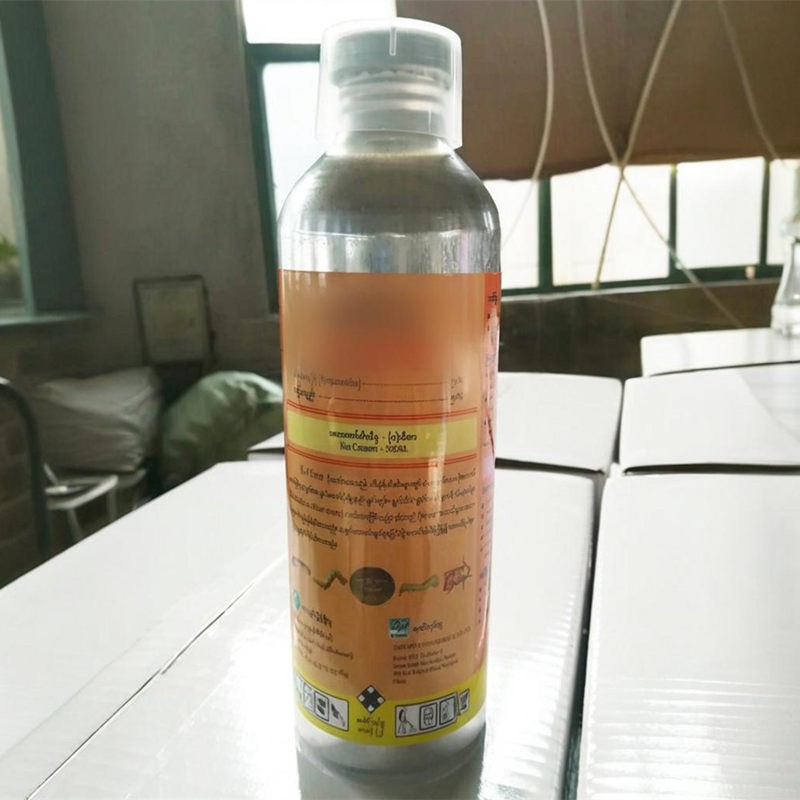
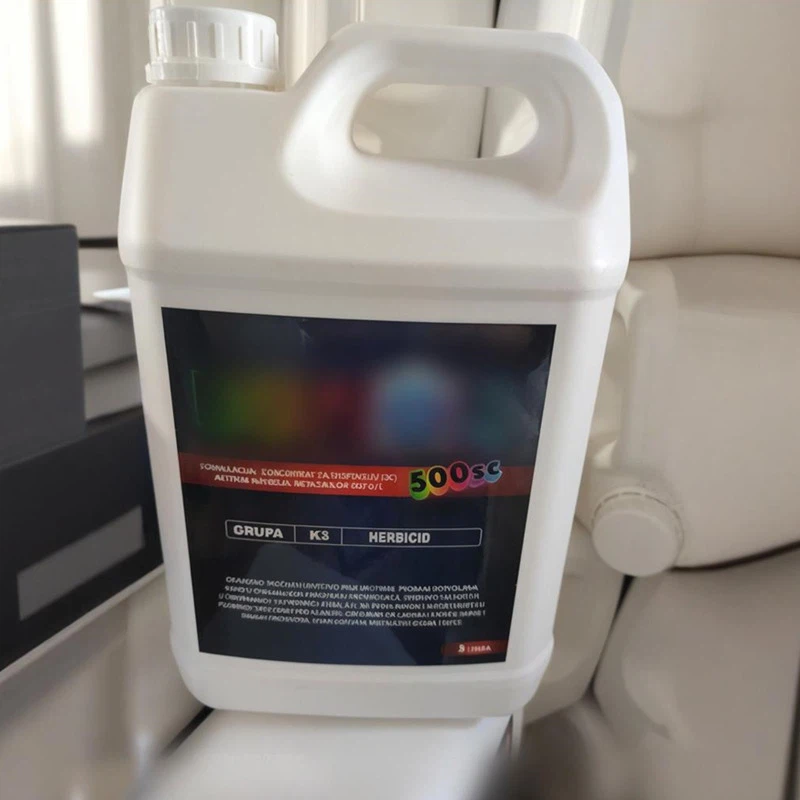
Hey there! As an oxyfluorfen supplier, I've seen firsthand the importance of understanding how to handle oxyfluorfen poisoning. Oxyfluorfen is a widely used herbicide, and while it's effective in controlling weeds, it can be dangerous if not used properly. In this blog, I'll share some key information on how to treat oxyfluorfen poisoning, so you can be prepared in case of an emergency.
What is Oxyfluorfen?
First off, let's quickly go over what oxyfluorfen is. Oxyfluorfen is a contact herbicide that's commonly used in agriculture, horticulture, and non - crop areas. It works by interfering with the plant's ability to produce chlorophyll, which eventually leads to the death of the weeds. Our product, Oxyfluorfen 240G/L EC, is a popular choice among farmers and gardeners due to its high efficacy.
How Does Oxyfluorfen Poisoning Occur?
Oxyfluorfen poisoning can happen in a few different ways. The most common routes of exposure are through skin contact, inhalation, or ingestion.
- Skin Contact: If oxyfluorfen comes into contact with your skin, it can cause irritation, redness, and in severe cases, chemical burns. This usually happens when people are handling the herbicide without proper protective gear, like gloves.
- Inhalation: Breathing in the fumes or dust of oxyfluorfen can irritate the respiratory tract. This might occur during the mixing or spraying process if you're not using a proper respirator.
- Ingestion: Accidentally swallowing oxyfluorfen is extremely dangerous. It can cause serious damage to the digestive system, including nausea, vomiting, abdominal pain, and even more severe internal injuries.
Recognizing the Symptoms of Oxyfluorfen Poisoning
It's crucial to be able to recognize the symptoms of oxyfluorfen poisoning early on. Here are some of the common signs to look out for:
- Skin Exposure: As mentioned earlier, you'll notice redness, itching, and a burning sensation on the affected area. In some cases, blisters may form.
- Inhalation: Symptoms include coughing, shortness of breath, wheezing, and a sore throat. You might also experience headaches and dizziness.
- Ingestion: Nausea, vomiting, abdominal pain, and diarrhea are the most common symptoms. In severe cases, there could be difficulty breathing, changes in heart rate, and even loss of consciousness.
First - Aid Measures for Oxyfluorfen Poisoning
If you suspect someone has been poisoned by oxyfluorfen, it's important to act quickly. Here are the first - aid steps you should take:
For Skin Contact
- Remove Contaminated Clothing: As soon as possible, take off any clothing that has come into contact with oxyfluorfen. This will prevent further exposure.
- Wash the Skin: Rinse the affected area with plenty of water for at least 15 - 20 minutes. Use mild soap to help remove the herbicide from the skin. Avoid using hot water, as it can open up the pores and allow more of the chemical to be absorbed.
- Seek Medical Attention: Even if the symptoms seem mild, it's always a good idea to get medical advice. A doctor can assess the extent of the damage and provide appropriate treatment.
For Inhalation
- Move to Fresh Air: Immediately move the person to an area with plenty of fresh air. Loosen any tight clothing around the neck to help with breathing.
- Monitor Breathing: Keep an eye on the person's breathing. If they're having trouble breathing, call emergency services right away.
- Seek Medical Help: Even if the person seems okay after moving to fresh air, it's still important to have them checked by a doctor. Inhaled chemicals can cause delayed symptoms.
For Ingestion
- Do Not Induce Vomiting: Unlike some other types of poisoning, you should not try to make the person vomit if they've ingested oxyfluorfen. This can cause more damage to the esophagus and increase the risk of aspiration.
- Rinse the Mouth: Have the person rinse their mouth with water, but do not swallow the water.
- Call Poison Control or Emergency Services: Get professional help as soon as possible. Provide them with as much information as you can about the amount of oxyfluorfen ingested and the time of exposure.
Medical Treatment for Oxyfluorfen Poisoning
Once the person reaches the hospital, the medical team will take several steps to treat the poisoning:
- Decontamination: If there's still any oxyfluorfen on the skin or in the mouth, the medical staff will thoroughly clean the affected areas.
- Supportive Care: This includes treating the symptoms. For example, if the person is having trouble breathing, they may be given oxygen. If they're experiencing pain, painkillers will be prescribed.
- Monitoring: The patient will be closely monitored for any changes in vital signs, such as heart rate, blood pressure, and oxygen levels.
Preventing Oxyfluorfen Poisoning
Of course, prevention is always better than cure. Here are some tips to prevent oxyfluorfen poisoning:

- Use Protective Gear: Always wear gloves, long - sleeved shirts, long pants, and a respirator when handling oxyfluorfen. This will minimize your risk of skin contact and inhalation.
- Follow the Instructions: Read and follow the product label carefully. This includes the proper mixing and application methods, as well as the recommended safety precautions.
- Store Properly: Keep oxyfluorfen in a cool, dry place, out of reach of children and pets. Make sure the container is tightly sealed to prevent leaks.
Conclusion
Oxyfluorfen is a powerful herbicide that can be very useful in weed control, but it also poses risks if not used correctly. Knowing how to recognize and treat oxyfluorfen poisoning is essential for anyone who works with this product. By following the safety guidelines and being prepared for emergencies, you can minimize the chances of poisoning.
If you're in the market for high - quality oxyfluorfen products, like our Oxyfluorfen 240G/L EC, don't hesitate to reach out for more information and to start a procurement discussion. We're here to provide you with the best products and support to meet your needs.
References
- Agricultural Chemical Safety Handbook.
- Toxicology Data Sheets on Oxyfluorfen.