Hey there! I'm a supplier of imidacloprid, and I often get asked about the maximum residue limit (MRL) of imidacloprid in food. So, I thought I'd take the time to break it down for you all.
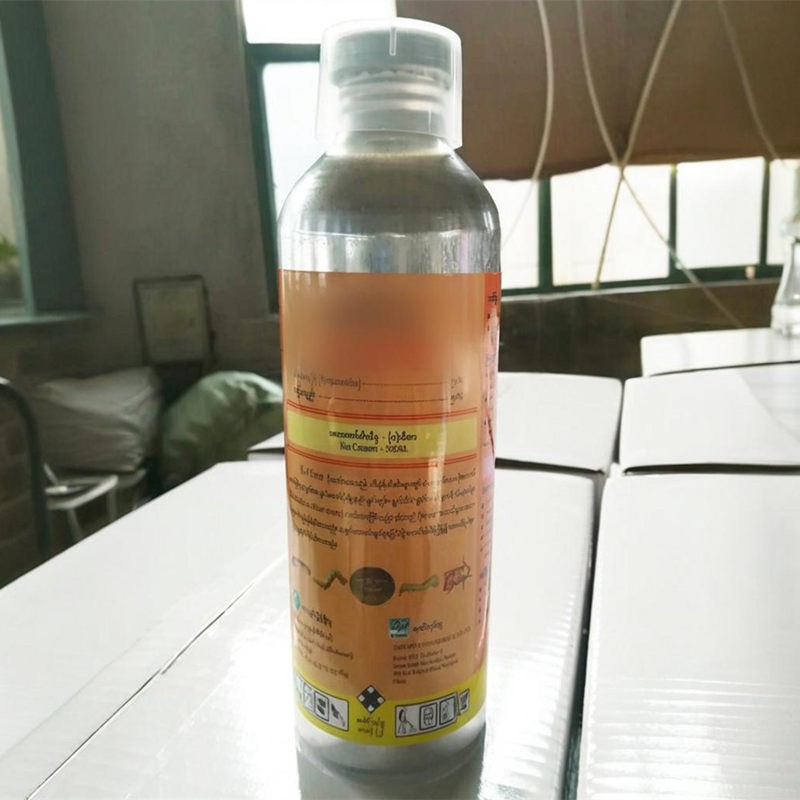
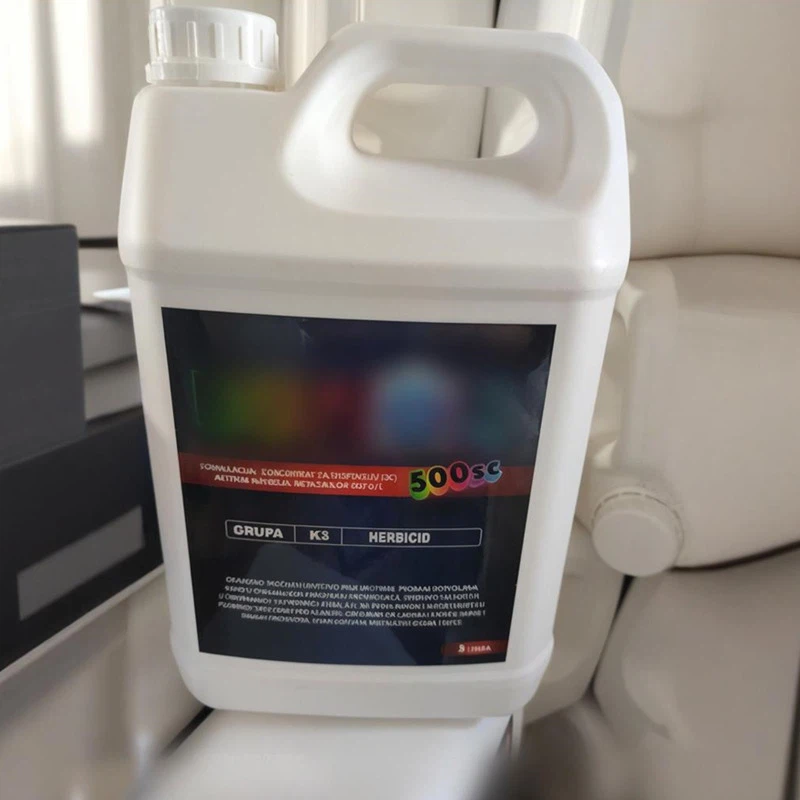
First off, let's talk a bit about imidacloprid. It's a widely - used insecticide known for its effectiveness in controlling a variety of pests. Imidacloprid 350G/L SC is one of the popular formulations in the market. It works by targeting the nervous system of insects, and it's been a go - to solution for farmers and pest control professionals for years.
Now, the MRL of imidacloprid in food is set to ensure that the amount of this chemical residue in the food we eat is safe for human consumption. Different countries and regions have their own sets of regulations regarding these limits.
In the European Union (EU), the MRLs are carefully established through a rigorous risk - assessment process. The EU takes into account factors like the toxicity of imidacloprid, how it breaks down in the environment, and the typical dietary intake of different food products. For example, in fruits like apples, the MRL for imidacloprid is set at a very specific level. This limit is designed to protect consumers while still allowing farmers to use the product effectively to protect their crops.
Over in the United States, the Environmental Protection Agency (EPA) is in charge of setting the MRLs, which they refer to as tolerance levels. The EPA conducts extensive studies on the safety of imidacloprid. They look at things like the long - term effects of exposure, and how the chemical behaves in different food matrices. For instance, in grains, the tolerance level is determined based on the expected residue levels after proper application of the insecticide.
One of the key reasons for having these MRLs is to prevent over - exposure to imidacloprid. Although imidacloprid is considered relatively safe when used as directed, excessive amounts can pose potential health risks. Some studies have suggested that high - level exposure might have an impact on the nervous system, especially in children and other vulnerable populations. So, by setting MRLs, we can minimize these risks.
Another aspect to consider is the global trade of food products. When a country exports food, it needs to comply with the MRLs of the importing country. This can be a bit of a challenge, as different regions may have different standards. For example, a country that has a relatively high MRL for imidacloprid in a certain crop may find it difficult to export to a region with a much lower limit. This is where proper monitoring and compliance come into play.
As a supplier of imidacloprid, I understand the importance of helping farmers and growers follow these regulations. We provide detailed information on the proper use of our products, including application rates and pre - harvest intervals. By following these guidelines, farmers can ensure that the residue levels of imidacloprid in their crops are within the legal limits.
Let's take a closer look at how these MRLs are determined. Scientists conduct laboratory tests on different food samples. They use advanced analytical techniques to measure the amount of imidacloprid residue. These tests are extremely accurate and can detect even trace amounts of the chemical. Based on the results of these tests, regulatory bodies can adjust the MRLs if necessary.
In addition to laboratory testing, field studies are also carried out. Researchers observe how imidacloprid behaves in real - world agricultural settings. They look at factors like how the chemical is absorbed by plants, how it moves through the soil, and how it degrades over time. This information is crucial for setting realistic and effective MRLs.
Now, I want to address some common misconceptions about imidacloprid and MRLs. Some people think that any amount of imidacloprid residue in food is bad. But the truth is, when the residue levels are within the established MRLs, the risk to human health is very low. The regulatory bodies have done their homework to ensure that these limits are safe.
On the other hand, there are also concerns about the impact of imidacloprid on the environment. While this is a valid concern, it's important to note that the use of imidacloprid is regulated not only for food safety but also for environmental protection. There are strict rules on where and how it can be applied to minimize its impact on non - target organisms, such as bees.
As a supplier, we're constantly working on improving our products. We're investing in research to develop more environmentally friendly formulations of imidacloprid. These new formulations aim to have the same effectiveness against pests while reducing the potential for residue in food and environmental harm.
So, if you're a farmer or a grower out there, and you're looking for a reliable imidacloprid product, Imidacloprid 350G/L SC is a great option. It's been proven to be effective in controlling pests, and when used correctly, it can help you meet the MRL requirements.

If you're interested in learning more about our imidacloprid products or have any questions regarding MRLs, feel free to reach out to us. We're here to help you make informed decisions and ensure that your crops are well - protected while staying within the legal limits.
References
- European Food Safety Authority (EFSA). (Year). Scientific opinions on imidacloprid and its maximum residue limits in food.
- United States Environmental Protection Agency (EPA). (Year). Tolerance levels for imidacloprid in food products.
- Various scientific studies on the safety and environmental impact of imidacloprid published in peer - reviewed journals.