Can Metazachlor Be Used in Greenhouses?
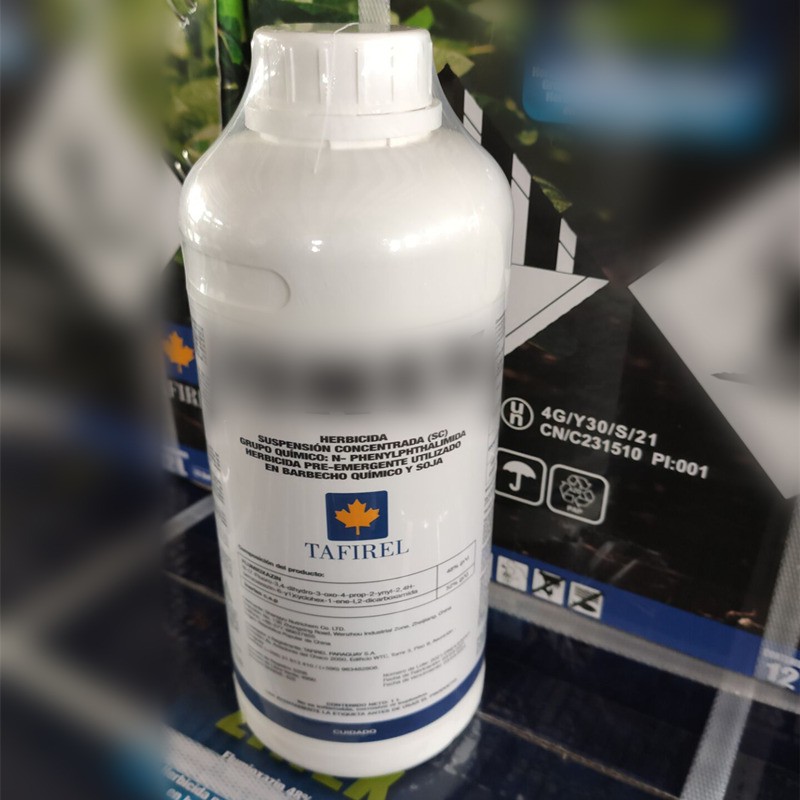
As a supplier of metazachlor, I often receive inquiries from customers about its applicability in greenhouses. Metazachlor is a well - known herbicide, and understanding its use in the unique environment of greenhouses is crucial for both farmers and gardening enthusiasts.
Understanding Metazachlor
Metazachlor is a pre - emergence herbicide that belongs to the chloroacetanilide family. It works by inhibiting the growth of germinating weed seeds. This herbicide is effective against a wide range of annual grasses and broad - leaved weeds. Its mode of action involves interfering with the synthesis of long - chain fatty acids in the developing seedlings of weeds, ultimately leading to their death.
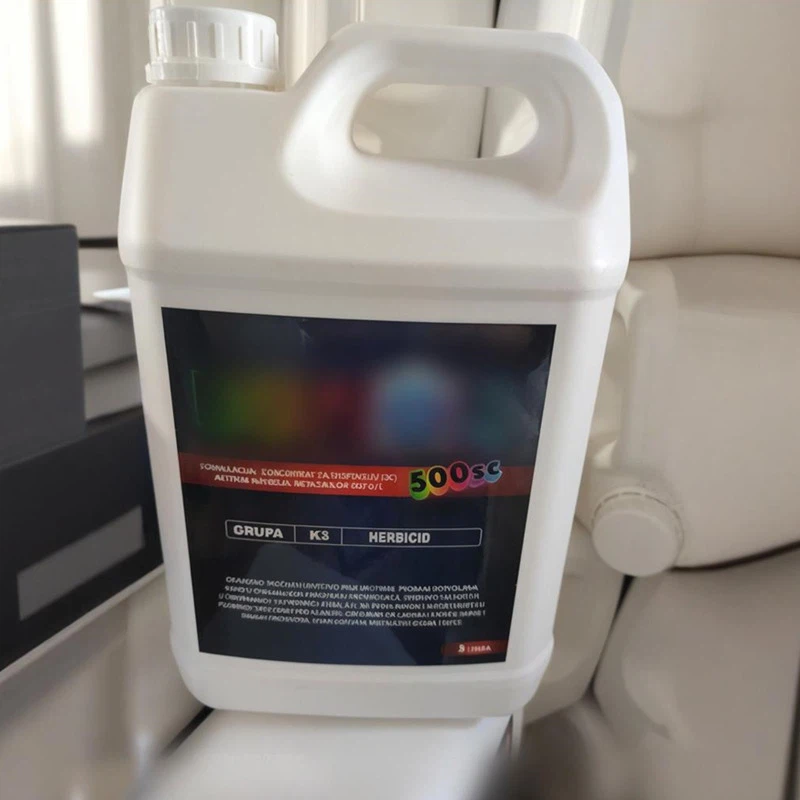
The Metazachlor 500 G/L SC that we supply is a popular formulation. It is formulated as a suspension concentrate, which provides good coverage and adherence on the soil surface, ensuring efficient weed control.
Advantages of Using Metazachlor in Greenhouses
- Weed Control Efficiency
- Greenhouses provide an ideal environment for plant growth, but unfortunately, they are also conducive to weed growth. Weeds can compete with crops for nutrients, water, and light. Metazachlor can effectively control many common greenhouse weeds such as common chickweed, shepherd's purse, and annual bluegrass. By applying metazachlor before weed seeds germinate, it creates a barrier in the soil that prevents weed seedlings from emerging and establishing themselves.
- Long - lasting Protection
- Once applied, metazachlor can provide relatively long - lasting weed control. In the controlled environment of a greenhouse, where factors such as temperature and humidity are more stable compared to open - field conditions, the herbicide can maintain its efficacy for an extended period. This means that growers can reduce the frequency of weed management operations, saving time and labor.
- Compatibility with Crops
- Many greenhouse crops are tolerant to metazachlor when applied at the recommended rates. For example, certain varieties of tomatoes, cucumbers, and peppers can withstand the presence of metazachlor in the soil. This allows growers to use the herbicide without significant concerns about crop damage, as long as they follow the proper application guidelines.
Challenges and Considerations in Greenhouse Use
- Environmental Conditions in Greenhouses
- Greenhouses have a more enclosed and controlled environment compared to open fields. High humidity and temperature can sometimes affect the behavior of metazachlor. For instance, under high - humidity conditions, the herbicide may be more prone to volatilization, which can reduce its effectiveness and may even pose a risk to non - target plants if the vapor drifts. Growers need to be careful about the application time and ventilation in the greenhouse to minimize these risks.
- Residue Management
- Since greenhouses are often used for continuous crop production, there is a need to manage herbicide residues carefully. Metazachlor residues in the soil can potentially affect subsequent crops. It is important to follow the pre - harvest intervals and waiting periods specified on the product label. Additionally, soil testing may be required to ensure that the residue levels are within acceptable limits before planting new crops.
- Application Techniques
- In a greenhouse, the application of metazachlor needs to be more precise compared to open - field applications. The confined space requires careful calibration of the spraying equipment to ensure uniform coverage of the soil surface. Over - application can lead to crop damage, while under - application may result in inadequate weed control.
Application Guidelines for Greenhouses
- Soil Preparation
- Before applying metazachlor, the soil in the greenhouse should be well - prepared. Remove any large clumps of soil, stones, or debris. A smooth and even soil surface will ensure better herbicide distribution. Till the soil to a depth of 2 - 3 inches to incorporate any organic matter and create a suitable seedbed for both the crop and the herbicide.
- Timing of Application
- Apply metazachlor before weed seeds germinate. This is usually done a few days before sowing or transplanting the crop. In the greenhouse environment, where the temperature is relatively stable, it is easier to predict the germination time of weed seeds. For example, if the greenhouse is maintained at a temperature of around 20 - 25°C, most annual weed seeds will germinate within 7 - 10 days. Applying metazachlor 3 - 5 days before sowing or transplanting can effectively target these germinating seeds.
- Application Rates
- The recommended application rate of metazachlor can vary depending on the type of crop, soil type, and weed pressure. Always refer to the product label for the specific application rates. For most greenhouse crops, a rate of 1 - 2 liters per hectare of the Metazachlor 500 G/L SC is commonly used. However, it is important to adjust the rate according to the actual situation in the greenhouse.
- Spraying Equipment
- Use a suitable spraying equipment such as a backpack sprayer or a boom sprayer for greenhouse applications. Make sure the equipment is clean and properly calibrated. When spraying, move the sprayer at a constant speed to ensure uniform coverage of the soil surface. Avoid spraying near the crop foliage to prevent any potential contact and damage.
Safety Precautions
- Personal Protection
- When handling and applying metazachlor, wear appropriate personal protective equipment (PPE) such as gloves, goggles, and a respirator. This will protect the applicator from potential exposure to the herbicide, which can cause skin irritation, eye damage, or respiratory problems.
- Storage and Disposal
- Store metazachlor in a cool, dry, and well - ventilated place, away from food, feed, and water sources. Follow the local regulations for the proper disposal of empty herbicide containers. Do not reuse the containers for other purposes.
Conclusion
In conclusion, metazachlor can be used effectively in greenhouses with proper understanding and management. Its ability to control a wide range of weeds, provide long - lasting protection, and compatibility with many greenhouse crops make it a valuable tool for greenhouse growers. However, growers need to be aware of the challenges associated with the unique greenhouse environment, such as environmental conditions, residue management, and application techniques. By following the recommended application guidelines and safety precautions, they can achieve optimal weed control and healthy crop growth.
If you are interested in purchasing metazachlor for your greenhouse or have any questions about its use, please feel free to contact us. We are here to provide you with the best products and professional advice to meet your weed control needs.
References
- "The Pesticide Manual: A World Compendium", 17th Edition.
- Manufacturer's product label for Metazachlor 500 G/L SC.
- Scientific research papers on the use of chloroacetanilide herbicides in protected cultivation.