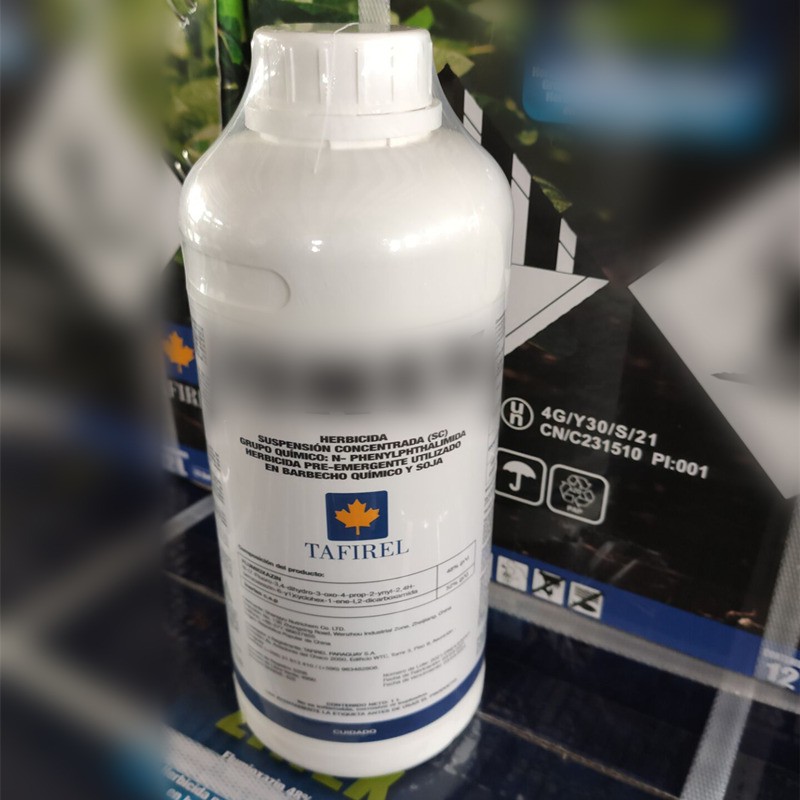
Hey there! As a profenofos supplier, I've been getting a lot of questions lately about how profenofos affects the behavior of pests. So, I thought I'd take a deep dive into this topic and share some insights with you all.
First off, let's talk a bit about what profenofos is. Profenofos is a widely used organophosphate insecticide. It's known for its effectiveness against a variety of pests, especially in agricultural settings. The Profenofos 500G/L EC that we supply is a popular formulation in the market.
Now, when it comes to how profenofos impacts pest behavior, there are several ways it works. One of the primary mechanisms is by targeting the nervous system of pests. Organophosphate insecticides like profenofos inhibit the activity of an enzyme called acetylcholinesterase. This enzyme is crucial for the normal functioning of the nervous system in insects.
When pests are exposed to profenofos, the inhibition of acetylcholinesterase leads to an accumulation of acetylcholine, a neurotransmitter. This build - up causes overstimulation of the nervous system. As a result, pests start to show some very noticeable changes in their behavior.
One of the first signs is hyperactivity. Pests that are usually slow - moving or have a regular pattern of movement suddenly become more agitated. They start twitching, jerking, and moving around erratically. This is because their nervous system is in a state of chaos, and they can't control their muscle movements properly.
For example, in the case of caterpillars, which are common pests in many crops, you'll see them wriggling and thrashing around on the leaves. They might even fall off the plants as they lose their grip due to the muscle spasms. This hyperactivity is not just a random movement; it's a direct result of the disruption in their neural signaling.
Another significant change is a loss of coordination. Pests that are normally good at navigating their environment, like beetles or aphids, start to have trouble moving in a straight line. They might bump into objects, fall off surfaces, or have difficulty finding their way back to their usual hiding places. This lack of coordination makes them more vulnerable to predators and environmental factors.
Profenofos also affects the feeding behavior of pests. Since the nervous system is responsible for regulating hunger and the act of feeding, pests often stop eating when exposed to the insecticide. They lose their appetite and stop chewing on the leaves or fruits of the plants they usually target. This is great news for farmers because it means that the damage to the crops is reduced even before the pests die.
In some cases, pests might even start to avoid areas where profenofos has been applied. They seem to sense that something is wrong in that environment and try to move away. This avoidance behavior can be quite effective in preventing further infestations in the treated areas.
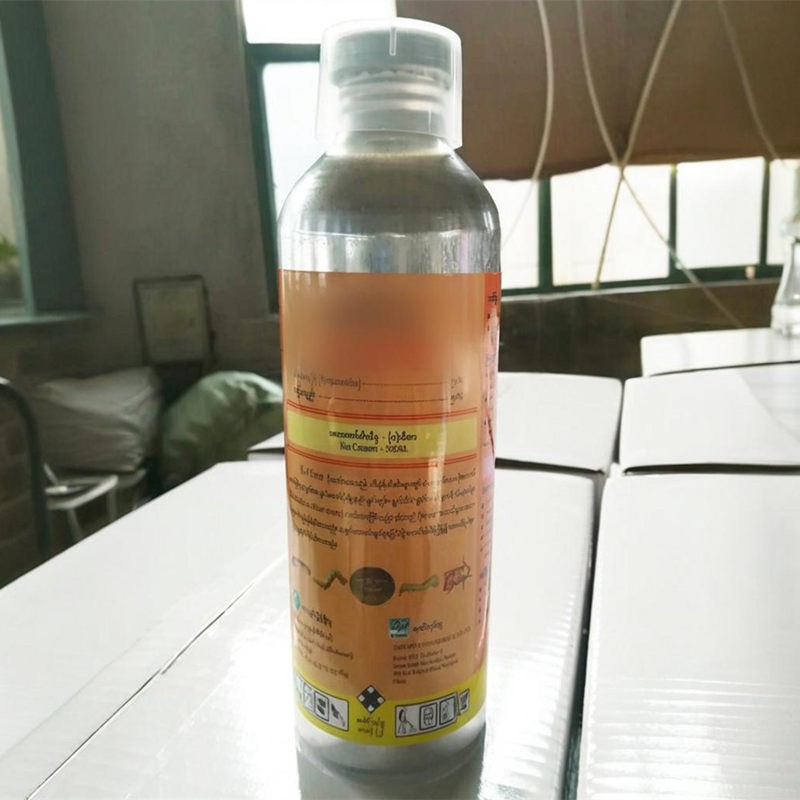
Over time, as the effects of profenofos continue to take hold, the pests become weaker and weaker. Their hyperactivity gradually gives way to paralysis. They can no longer move at all, and their vital functions start to shut down. Eventually, they die.
The speed at which these behavioral changes occur and the pests die depends on several factors. The concentration of profenofos in the environment is a major one. Higher concentrations will lead to more rapid and severe effects. The type of pest also matters. Some pests are more sensitive to profenofos than others. For instance, soft - bodied insects like aphids are often more affected than hard - shelled beetles.
The duration of exposure is another crucial factor. If pests are only briefly exposed to a low dose of profenofos, they might recover if they can get away from the treated area quickly. But if they are continuously exposed, even to a relatively low dose, the damage to their nervous system will accumulate, and they will eventually succumb.
Now, you might be wondering about the long - term effects on pest populations. When profenofos is used correctly, it can significantly reduce the number of pests in an area. By disrupting their behavior and ultimately killing them, it breaks the pest's life cycle. Fewer pests mean less damage to crops, which in turn leads to higher yields for farmers.
However, it's important to use profenofos responsibly. Overuse or misuse can lead to the development of resistance in pests. Just like bacteria can become resistant to antibiotics, pests can evolve to tolerate the effects of profenofos. This is why it's essential to follow the recommended application rates and rotation with other types of insecticides.
As a profenofos supplier, we're always here to help you make the most of this product. If you're a farmer looking to protect your crops from pests or a distributor interested in our Profenofos 500G/L EC, we'd love to have a chat with you. We can provide you with all the information you need about proper usage, safety precautions, and the best ways to integrate profenofos into your pest management strategy.
If you're interested in learning more or discussing a potential purchase, don't hesitate to reach out. We're committed to providing high - quality profenofos products and excellent customer service. Whether you have a small farm or a large - scale agricultural operation, we can work together to find the right solution for your pest control needs.
So, if you're ready to take control of those pesky pests and protect your crops, let's start a conversation. We're here to support you every step of the way.
References
- "Insect Physiology and Biochemistry" by David L. Denlinger and R. Michael Roelofs
- "Pest Management in Agriculture" by various authors, a comprehensive guide on agricultural pest control methods.
- Research papers on the effects of organophosphate insecticides on insect behavior from scientific journals such as the Journal of Economic Entomology.