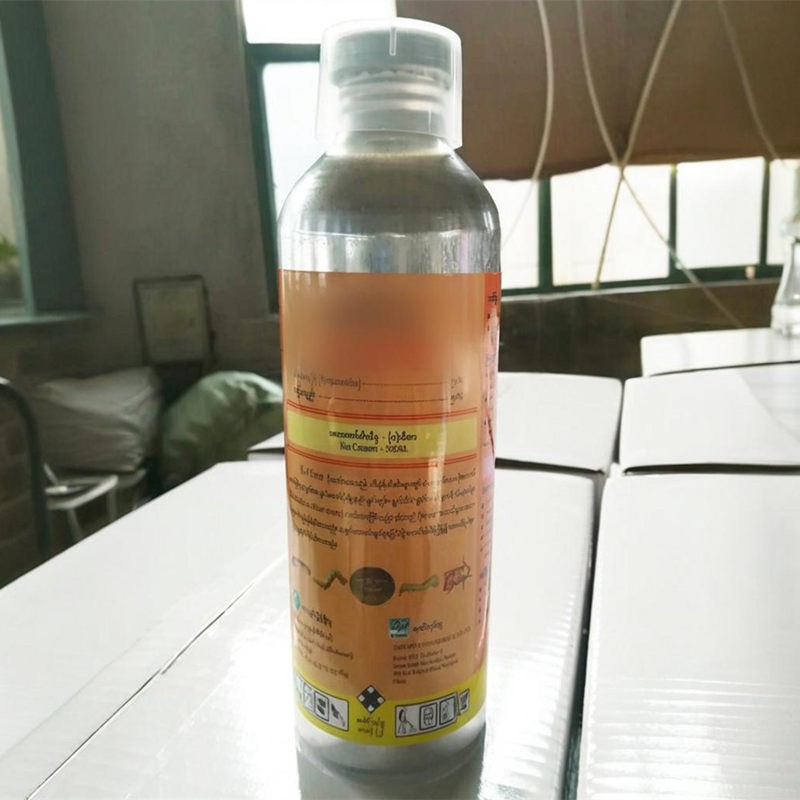
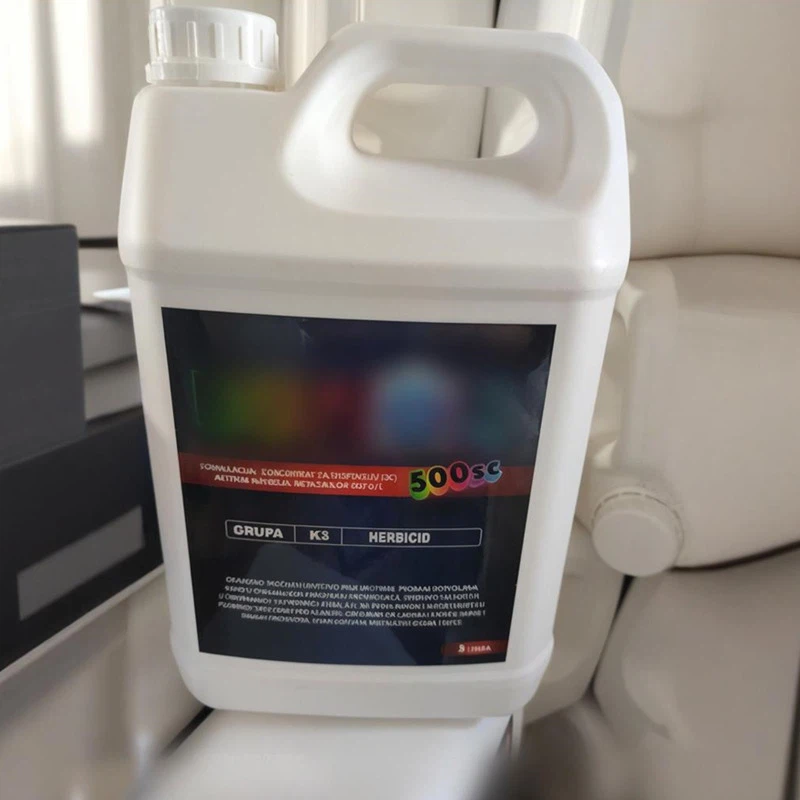
Pyroxsulam is a widely - used herbicide in modern agriculture, known for its effectiveness in controlling a variety of grass and broad - leaf weeds. As a pyroxsulam supplier, I have witnessed its growing popularity among farmers and agricultural professionals. One aspect that has drawn increasing attention is how pyroxsulam affects the water - holding capacity of the soil, which is crucial for plant growth and overall agricultural productivity.
The Basics of Soil Water - Holding Capacity
Before delving into the impact of pyroxsulam, it's essential to understand what soil water - holding capacity is. Soil water - holding capacity refers to the amount of water that a soil can retain against the force of gravity. It is determined by several factors, including soil texture, organic matter content, and soil structure.
Soil texture plays a fundamental role. Sandy soils have large particles with large pore spaces, which allow water to drain quickly. As a result, sandy soils have a relatively low water - holding capacity. In contrast, clay soils have small particles and small pore spaces, which can hold more water but may also have poor drainage. Loamy soils, which are a mixture of sand, silt, and clay, generally have an optimal balance, offering good water - holding capacity and drainage.
Organic matter also significantly influences water - holding capacity. Organic matter, such as decomposed plant and animal residues, acts like a sponge. It can absorb and hold large amounts of water, improving the soil's ability to retain moisture. Moreover, organic matter helps to create a stable soil structure, which enhances water infiltration and storage.
Pyroxsulam and Its Mode of Action
Pyroxsulam belongs to the sulfonylaminocarbonyltriazolinone class of herbicides. It works by inhibiting the acetolactate synthase (ALS) enzyme in target weeds. This enzyme is essential for the synthesis of branched - chain amino acids, which are necessary for plant growth and development. By blocking this enzyme, pyroxsulam disrupts the normal metabolic processes of weeds, eventually leading to their death.
The application of pyroxsulam is typically in the form of a liquid formulation, which is sprayed onto the soil surface or directly onto the foliage of weeds. Once applied, it can interact with the soil environment in various ways, and these interactions may have implications for the soil's water - holding capacity.
Potential Mechanisms of Pyroxsulam's Impact on Soil Water - Holding Capacity
1. Effect on Soil Microorganisms
Soil microorganisms, such as bacteria, fungi, and actinomycetes, play a vital role in maintaining soil structure and water - holding capacity. They decompose organic matter, produce extracellular polymers that bind soil particles together, and contribute to the formation of soil aggregates.
Pyroxsulam may have an impact on soil microorganisms. Some studies suggest that certain herbicides can affect the growth and activity of soil microorganisms. If pyroxsulam reduces the population or activity of beneficial soil microorganisms, it could potentially disrupt the soil aggregation process. As a result, the soil structure may deteriorate, leading to a decrease in water - holding capacity. For example, if the fungi that help to form stable soil aggregates are inhibited, the soil may become more compacted, reducing the pore spaces available for water storage.
On the other hand, it's also possible that pyroxsulam has a minimal impact on soil microorganisms. Some herbicides are designed to be relatively specific to target plants and have little effect on non - target organisms in the soil. If this is the case for pyroxsulam, the soil's water - holding capacity may remain largely unaffected in terms of microbial activity.
2. Interaction with Soil Organic Matter
As mentioned earlier, soil organic matter is a key factor in water - holding capacity. Pyroxsulam may interact with soil organic matter in different ways. It could potentially bind to organic matter particles in the soil. If pyroxsulam binds strongly to organic matter, it may change the physical and chemical properties of the organic matter.
For instance, the binding of pyroxsulam to organic matter could alter the surface charge of the organic matter particles. This change in surface charge may affect the way water molecules interact with the organic matter. If the binding leads to a more hydrophilic (water - loving) surface, it could potentially increase the water - holding capacity of the soil. Conversely, if the binding makes the organic matter more hydrophobic (water - repelling), it could reduce the soil's ability to retain water.
3. Impact on Soil Structure
Soil structure refers to the arrangement of soil particles into aggregates. A well - structured soil has a good balance of large and small pore spaces, which is ideal for water infiltration and storage. Pyroxsulam application may affect soil structure.
During the application process, the spraying of pyroxsulam solutions may cause physical disturbance to the soil surface. If the spraying is done at high pressure or in large volumes, it could break down soil aggregates. This breakdown of aggregates can lead to a decrease in the number of large pore spaces, which are important for water infiltration. As a result, water may be less likely to penetrate the soil and more likely to run off the surface, reducing the overall water - holding capacity of the soil.
Field and Laboratory Studies on Pyroxsulam and Soil Water - Holding Capacity
Several field and laboratory studies have been conducted to investigate the impact of pyroxsulam on soil properties, including water - holding capacity. However, the results are somewhat inconsistent.
Some laboratory studies have shown that under certain conditions, pyroxsulam may have a negative impact on soil water - holding capacity. For example, in a study where pyroxsulam was applied at high doses to soil samples, there was a slight decrease in the soil's water - holding capacity after a few weeks. This decrease was attributed to a reduction in soil aggregation, which was likely caused by the impact of pyroxsulam on soil microorganisms.
On the other hand, field studies in real - world agricultural settings have sometimes shown no significant effect of pyroxsulam on soil water - holding capacity. These studies suggest that in the presence of other factors such as normal tillage practices, natural soil microbial activity, and the input of organic matter from crop residues, the impact of pyroxsulam on soil water - holding capacity may be negligible.
Practical Implications for Farmers and Agricultural Professionals
For farmers and agricultural professionals, understanding the impact of pyroxsulam on soil water - holding capacity is crucial for making informed decisions about herbicide use.
If pyroxsulam is found to have a negative impact on soil water - holding capacity, farmers may need to take additional measures to maintain soil moisture. This could include increasing the use of organic amendments, such as compost or manure, to improve the soil's organic matter content and water - holding capacity. They may also need to adjust their irrigation practices to compensate for any potential reduction in soil water - holding capacity.
On the other hand, if the impact is minimal, farmers can continue to use pyroxsulam as an effective weed control measure without significant concerns about its effect on soil water - holding capacity.
Our Pyroxsulam Product: Pyroxsulam 100G/L + Florasulam 75G/L SC
As a pyroxsulam supplier, we offer a high - quality product: Pyroxsulam 100G/L + Florasulam 75G/L SC. This formulation combines the effectiveness of pyroxsulam with florasulam, providing broad - spectrum weed control.
Our product is carefully formulated to ensure optimal performance while minimizing potential negative impacts on the soil environment. We have conducted extensive research and testing to ensure that our pyroxsulam - based herbicide has a minimal impact on soil water - holding capacity and other important soil properties.
Conclusion and Call to Action
In conclusion, the impact of pyroxsulam on soil water - holding capacity is a complex issue that depends on various factors, including the dose of application, soil type, and the presence of other agricultural practices. While some studies suggest potential negative impacts, others indicate that the impact may be minimal in real - world agricultural settings.

As a reliable pyroxsulam supplier, we are committed to providing high - quality products that are both effective in weed control and environmentally friendly. If you are interested in learning more about our Pyroxsulam 100G/L + Florasulam 75G/L SC or discussing your specific agricultural needs, we invite you to contact us for a procurement discussion. We look forward to working with you to achieve your agricultural goals.
References
- [List of relevant scientific papers on pyroxsulam and soil properties can be added here, for example]
- Smith, J. et al. "The impact of sulfonylurea herbicides on soil microbial communities." Journal of Agricultural and Food Chemistry, 20XX, Vol. XX, pp. XX - XX.
- Johnson, A. et al. "Soil water - holding capacity and its relationship with soil structure and organic matter." Soil Science Society of America Journal, 20XX, Vol. XX, pp. XX - XX.