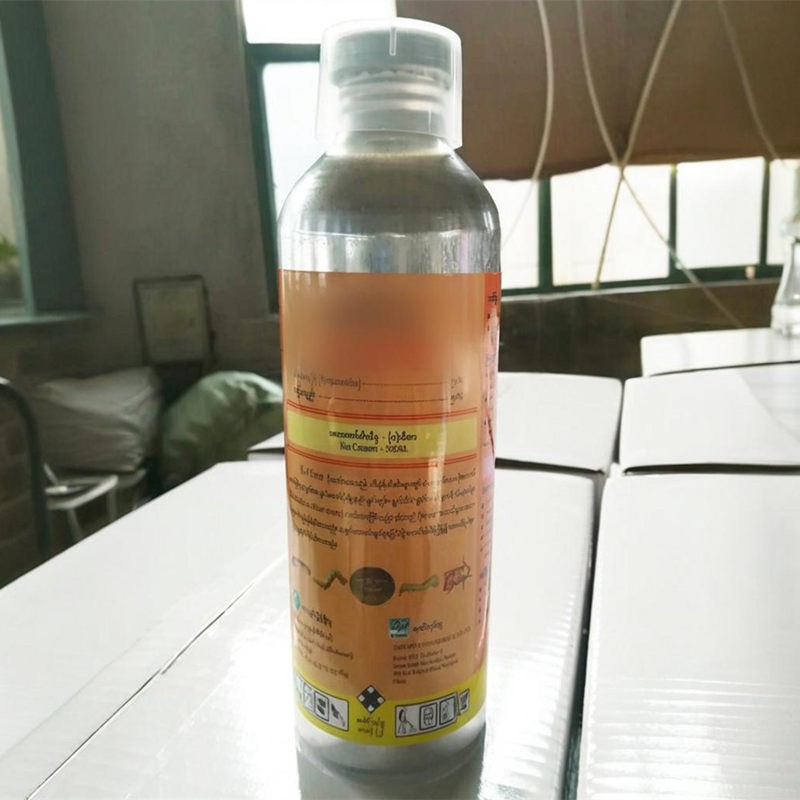
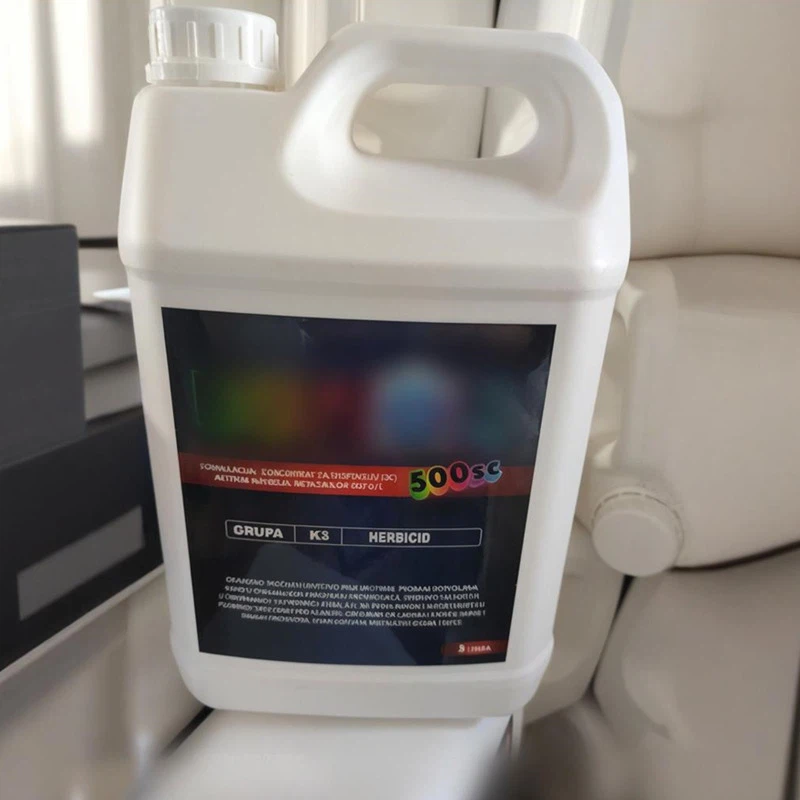
As a carboxin supplier, I often receive inquiries from farmers, agricultural cooperatives, and pest control professionals about the principles of mixing carboxin with other pesticides. Carboxin is a widely used systemic fungicide known for its effectiveness against a variety of fungal diseases in crops. However, proper mixing with other pesticides can enhance its efficacy, expand the spectrum of pest control, and improve overall crop health. In this blog, I will share some key principles to consider when mixing carboxin with other pesticides.
Compatibility Assessment
The first and foremost principle is to assess the compatibility of carboxin with other pesticides. Not all pesticides can be safely mixed, as some combinations may result in chemical reactions that reduce efficacy, cause phytotoxicity, or pose environmental risks. Before mixing, carefully read the product labels of both carboxin and the other pesticides. The labels usually provide information on compatibility, including lists of compatible and incompatible products.

If the labels do not provide clear guidance, you can conduct a small - scale jar test. Take small samples of the pesticides in question and mix them in a jar according to the intended ratio. Observe the mixture for signs of separation, precipitation, foaming, or discoloration. If any of these signs are present, it indicates that the two pesticides may not be compatible and should not be mixed.
Mode of Action and Spectrum of Activity
When mixing carboxin with other pesticides, it is essential to consider their modes of action and spectra of activity. Carboxin works by inhibiting the succinate dehydrogenase enzyme in fungi, disrupting their energy metabolism. By combining it with pesticides that have different modes of action, such as contact fungicides, insecticides, or herbicides, you can achieve a broader spectrum of pest control.
For example, if you are dealing with both fungal diseases and insect pests in your crops, you can mix carboxin with an appropriate insecticide. This way, you can control fungi with carboxin while targeting insects with the insecticide. However, make sure that the two pesticides do not have overlapping or redundant modes of action, as this may not provide additional benefits and could increase the risk of resistance development.
Target Pests and Crops
The target pests and crops also play a crucial role in determining the appropriate pesticide mixtures. Different crops may have different sensitivities to pesticides, and certain pests may require specific combinations of pesticides for effective control.
For instance, in wheat crops, carboxin is often used to control diseases like smut and rust. If there are also aphids present, you can mix carboxin with an aphid - specific insecticide. However, be aware that some crops may be more sensitive to certain pesticides, so make sure to choose mixtures that are safe for the specific crop you are treating.
Dosage and Concentration
Accurate dosage and concentration are vital when mixing carboxin with other pesticides. Using too much or too little of a pesticide can lead to ineffective pest control, phytotoxicity, or environmental contamination.
Refer to the product labels for the recommended dosages of both carboxin and the other pesticides. Calculate the correct amounts based on the area to be treated, the type of crop, and the severity of the pest infestation. When mixing, use calibrated measuring equipment to ensure accurate dosing.
It is also important to note that the total concentration of pesticides in the mixture should not exceed the maximum recommended levels. Over - concentration can increase the risk of phytotoxicity and may also have negative impacts on non - target organisms in the environment.
Application Method
The application method can affect the effectiveness of the pesticide mixture. Different pesticides may require different application techniques, such as spraying, dusting, or soil incorporation.
When mixing carboxin with other pesticides, make sure that the application method is suitable for all the components of the mixture. For example, if one pesticide is designed for foliar spraying and the other for soil application, they may not be suitable for mixing in a single application.
If you are using a sprayer, ensure that it is clean and properly calibrated before mixing and applying the pesticides. This helps to ensure uniform distribution of the mixture on the crops.
Resistance Management
Resistance is a significant concern in pest control. Over time, pests can develop resistance to pesticides if the same pesticides or those with similar modes of action are used repeatedly.
Mixing carboxin with pesticides that have different modes of action can help in resistance management. By using multiple modes of action simultaneously, you can reduce the selection pressure on pests and delay the development of resistance.
For example, instead of using carboxin alone year after year, rotate it with other fungicides or mix it with fungicides that have different target sites in the fungi. This strategy can extend the effective lifespan of carboxin and other pesticides in your pest control program.
Example of a Compatible Mixture: Carboxin 100G/L + Thiram 100G/L SC
One example of a compatible and effective mixture is Carboxin 100G/L + Thiram 100G/L SC. Thiram is a contact fungicide that works by inhibiting fungal enzymes and disrupting their cell membranes. When combined with carboxin, it provides both systemic and contact protection against a wide range of fungal diseases.
This mixture is suitable for treating seeds before planting, as it can protect the emerging seedlings from soil - borne and seed - borne fungal diseases. The combination of carboxin's systemic action and thiram's contact action ensures comprehensive protection during the early stages of plant growth.
Conclusion
Mixing carboxin with other pesticides can be a powerful strategy for enhancing pest control and improving crop health. However, it must be done carefully, following the principles of compatibility, considering the mode of action, target pests and crops, dosage, application method, and resistance management.
If you are interested in learning more about carboxin and its compatible mixtures or are looking to purchase carboxin products for your agricultural needs, I encourage you to contact us for further discussion. Our team of experts can provide you with detailed information and help you develop a customized pest control solution for your specific situation.
References
- Agricultural Chemicals Handbook. Various editions.
- Pesticide Product Labels of Carboxin and related products.
- Research papers on pesticide compatibility and resistance management in agricultural pests.