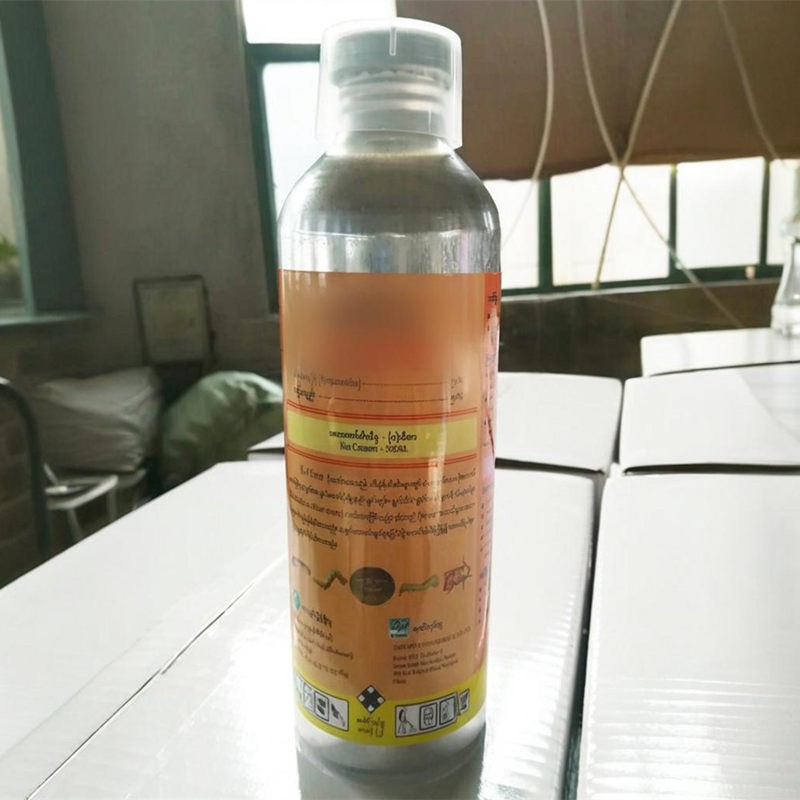
Hey there! I'm a supplier of carboxin, and I know that handling this stuff safely is super important. Carboxin is a widely - used fungicide, and it's crucial to take the right safety measures when dealing with it. So, I'm gonna share some key safety tips with you all.
First off, let's talk about personal protective equipment (PPE). When you're handling carboxin, you gotta suit up properly. Wear chemical - resistant gloves. These gloves act as a barrier between your skin and the carboxin, preventing direct contact. Latex gloves won't cut it; you need ones made of materials like nitrile or neoprene. They're tough and can withstand the chemical's effects.
Safety goggles are a must - have too. Carboxin can be harmful if it gets into your eyes. One splash, and you could be in big trouble. So, put on those goggles before you even start working with the stuff. They'll protect your precious peepers from any accidental splashes or fumes.
A respirator is also essential, especially if you're working in an area with poor ventilation. Carboxin can release fumes, and inhaling these fumes is not good for your lungs. A respirator with the right filters will help you breathe clean air and keep those harmful fumes out.
Now, let's move on to the work area. Make sure the place where you're handling carboxin is well - ventilated. Open windows and doors if possible, or use exhaust fans. Good ventilation helps to disperse any fumes that might be released during handling. If you're working indoors, consider using a local exhaust ventilation system. This system can suck up the fumes right at the source, keeping the air in the room much cleaner.
Keep the work area clean and organized. Spills can happen, but if your area is messy, it'll be harder to clean them up quickly. Have spill - control materials on hand, like absorbent pads or spill kits. These can soak up any carboxin that spills, preventing it from spreading and causing more problems.
When it comes to storing carboxin, there are some important rules to follow. Store it in a cool, dry place. Heat and moisture can affect the stability of carboxin, so avoid areas that are prone to high temperatures or humidity. Keep it away from direct sunlight too. A locked storage cabinet is ideal. This way, you can keep it out of reach of unauthorized people, especially kids and pets.
Label the storage containers clearly. Write down the name of the chemical, the date it was received, and any safety warnings. This makes it easy for anyone who might need to access the carboxin to know what they're dealing with and how to handle it safely.
During the handling process, follow the proper procedures. Don't mix carboxin with other chemicals unless you're absolutely sure it's safe to do so. Some chemical combinations can be dangerous and may cause explosions or release toxic gases.
When you're measuring or transferring carboxin, use the right equipment. Pipettes, syringes, or other calibrated tools can help you get the right amount without spilling. And be careful when pouring the chemical. Do it slowly and steadily to avoid splashes.

If you do have a spill, don't panic. First, put on your PPE if you haven't already. Then, use the spill - control materials to contain the spill. Absorb as much of the carboxin as you can. Once you've absorbed the spill, carefully collect the contaminated material and dispose of it according to local regulations.
After handling carboxin, wash your hands thoroughly with soap and water. Even if you were wearing gloves, there could still be some residue on your skin. And don't forget to clean any equipment that came into contact with the chemical. This helps to prevent cross - contamination and ensures that the equipment is ready for future use.
Now, let me tell you a bit about one of our great carboxin products. We offer Carboxin 100G/L + Thiram 100G/L SC. This combination product is highly effective against a wide range of fungal diseases. It works well on crops like wheat, barley, and oats, protecting them from rusts, smuts, and other fungal infections.
If you're in the agricultural business and looking for a reliable fungicide, this product could be a great choice. But remember, always handle it with the safety measures I've talked about.
In conclusion, handling carboxin safely is all about being prepared and taking the right precautions. By using the proper PPE, having a well - ventilated work area, storing the chemical correctly, and following the right procedures, you can minimize the risks associated with carboxin.
If you're interested in purchasing carboxin or want to learn more about our products, don't hesitate to get in touch with us. We're here to provide you with high - quality carboxin products and the support you need to use them safely and effectively. Let's work together to protect your crops and keep your farming operations running smoothly!
References
- "Safe Handling of Agricultural Chemicals" - Agricultural Extension Service
- Product safety data sheets for carboxin