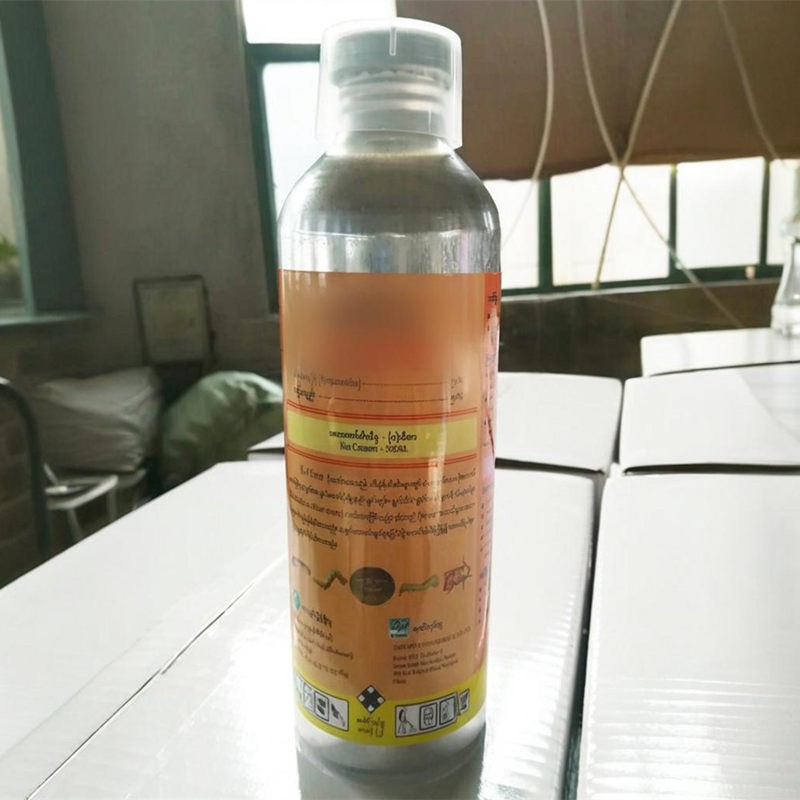
Hey there! As a metazachlor supplier, I often get asked about the crops that metazachlor can be used on. Well, let me break it down for you in this blog post.
First off, metazachlor is a widely - used herbicide, and it has a pretty good reputation in the agricultural industry. It's known for its effectiveness in controlling a variety of weeds, which is super important for farmers to keep their crops healthy and productive.
Oilseed Rape
One of the main crops where metazachlor shines is oilseed rape. This crop is crucial for the production of vegetable oil and animal feed. Weeds can really mess up the growth of oilseed rape, competing for nutrients, water, and sunlight. Metazachlor helps in preventing the emergence of many broad - leaved weeds and some grassy weeds in oilseed rape fields.
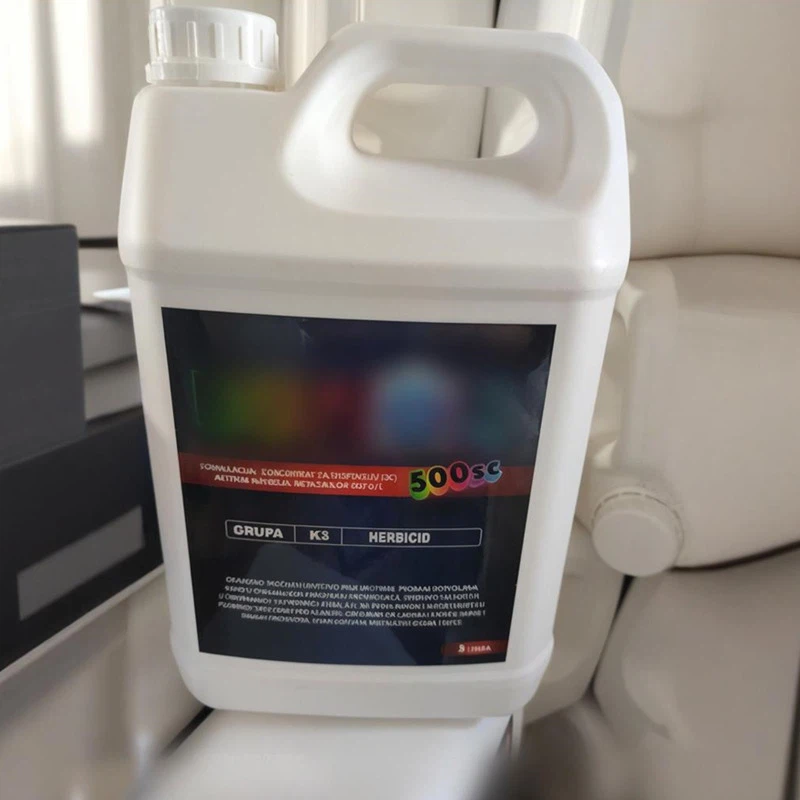
When applied at the right time, usually before or just after sowing, metazachlor forms a protective barrier in the soil. This barrier stops weed seeds from germinating properly. For oilseed rape farmers, this means less manual weeding and a higher chance of a good harvest. You can check out Metazachlor 500 G/L SC which is a great product for oilseed rape protection.
Sugar Beet
Sugar beet is another crop that benefits from metazachlor. Sugar beet is used to produce sugar, and any reduction in yield due to weeds can have a big impact on the sugar industry. Metazachlor can be used to control a range of annual weeds in sugar beet fields.
It works by being absorbed by the roots and shoots of emerging weeds, interfering with their normal growth processes. This leads to the death of the weeds before they can cause too much damage to the sugar beet plants. Farmers often apply metazachlor as a pre - emergence treatment, which gives the sugar beet a head start in the competition against weeds.
Maize
Maize, also known as corn, is a staple crop around the world. Metazachlor can be used in maize fields to control certain weeds. Maize plants are quite sensitive during their early growth stages, and weeds can quickly overtake them if not managed properly.
Metazachlor can target weeds like barnyard grass, foxtail, and some broad - leaved weeds. By using metazachlor, farmers can ensure that their maize plants have enough space, nutrients, and water to grow strong and healthy. However, it's important to follow the application guidelines carefully, as incorrect use can potentially harm the maize plants.
Carrots
Carrots are a popular vegetable, and they are also vulnerable to weed competition. Metazachlor can be used in carrot fields to control a number of common weeds. Carrot seeds are small and take some time to germinate and establish. During this period, weeds can easily outgrow the carrot seedlings.
Metazachlor helps in keeping the weed population in check, allowing the carrot plants to develop without being choked by weeds. It's usually applied as a pre - emergence herbicide, which means it's applied before the carrot seeds start to sprout. This gives the carrots a better chance of growing into healthy, marketable vegetables.
Parsnips
Parsnips are root vegetables that are similar to carrots in terms of their growing requirements. Just like carrots, parsnips are also at risk from weed competition. Metazachlor can be used to control weeds in parsnip fields.
The herbicide helps in preventing the growth of weeds that could otherwise reduce the yield and quality of parsnips. By using metazachlor, farmers can ensure that their parsnip crops are free from the negative effects of weed infestations.
How Does Metazachlor Work?
Metazachlor is a selective herbicide, which means it targets specific types of plants (weeds) while leaving the crops relatively unharmed. It works by inhibiting the synthesis of certain enzymes in the weeds. These enzymes are essential for the normal growth and development of the weeds.
When a weed absorbs metazachlor, its growth is stunted, and it eventually dies. The way it's absorbed by the weeds can vary. Some weeds absorb it through their roots as they take up water and nutrients from the soil, while others absorb it through their shoots when they come into contact with the herbicide - treated soil.
Application Tips
When using metazachlor, it's important to follow some key tips. First of all, make sure to read the product label carefully. The label will provide detailed information about the correct dosage, application method, and safety precautions.
The timing of application is crucial. As I mentioned earlier, for many crops, pre - emergence application is the best way to go. This means applying the metazachlor before the crop seeds start to germinate. However, in some cases, post - emergence application may also be appropriate, but this should be done with caution.
It's also important to consider the soil type and weather conditions. Different soil types can affect how the metazachlor is absorbed and distributed in the soil. For example, in sandy soils, the herbicide may leach more quickly, while in clay soils, it may be more tightly bound. Weather conditions such as rainfall and temperature can also impact the effectiveness of metazachlor. Heavy rainfall shortly after application can wash the herbicide away, reducing its effectiveness.
Contact Us for Your Metazachlor Needs
If you're a farmer or involved in the agricultural industry and are interested in using metazachlor for your crops, we're here to help. We have a wide range of metazachlor products, including Metazachlor 500 G/L SC, which are of high quality and have been proven to be effective.
Whether you're growing oilseed rape, sugar beet, maize, carrots, parsnips, or other crops that can benefit from metazachlor, we can provide you with the right product and advice. We understand the importance of getting the best results for your crops, and we're committed to helping you achieve that. So, don't hesitate to contact us for more information and to start a procurement discussion.
References
- "Herbicides: Chemistry, Degradation, and Mode of Action" by William K. Vencill
- "Agricultural Weed Management" by various authors in the field of agronomy