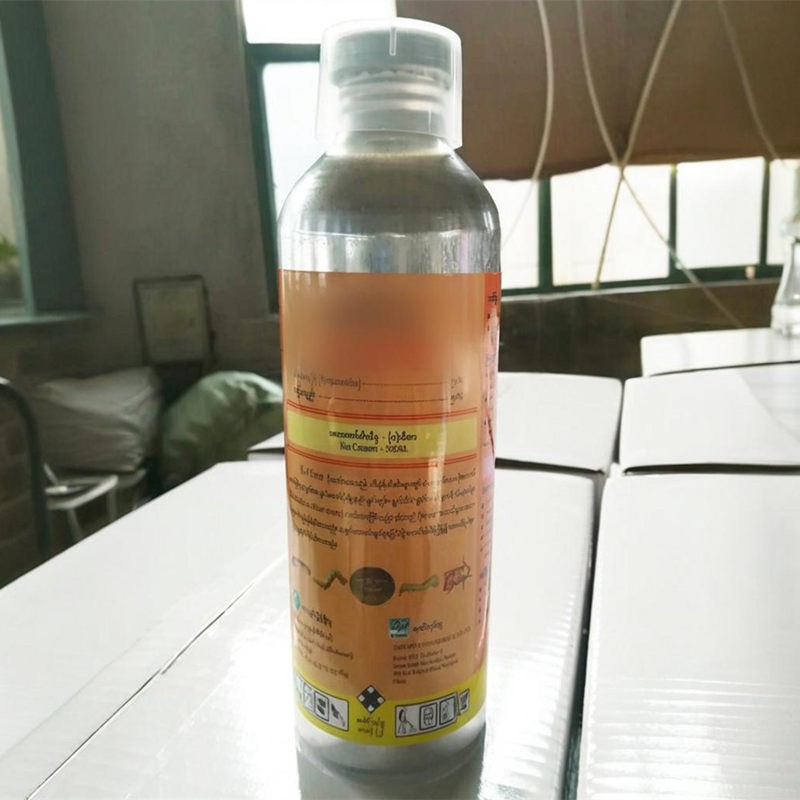
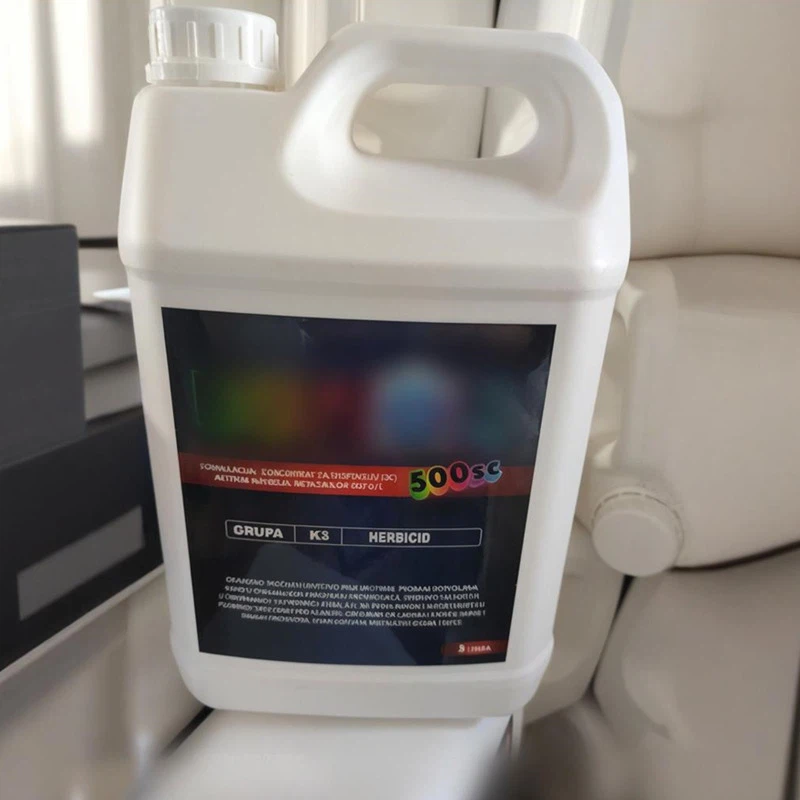
Carboxin is a widely - used fungicide in the agricultural industry, known for its effectiveness in controlling various fungal diseases in crops. As a carboxin supplier, I am often asked about the potential impacts of carboxin on the soil environment, especially its influence on the soil pH value. In this blog, I will delve into this topic based on scientific research and practical observations.
Understanding Carboxin and Its Uses
Carboxin is a systemic fungicide that belongs to the carboxamide class. It is commonly used to treat seeds and soil to protect plants from diseases such as smut and rust. The Carboxin 100G/L + Thiram 100G/L SC product is a popular formulation that combines carboxin with thiram, providing a broader spectrum of disease control. This combination is effective against a variety of fungal pathogens, making it a valuable tool for farmers and growers.

The Importance of Soil pH
Soil pH is a crucial factor in determining soil fertility and plant health. It affects the availability of nutrients to plants, the activity of soil microorganisms, and the overall chemical and physical properties of the soil. Most plants prefer a slightly acidic to neutral soil pH range (around 6.0 - 7.5). Deviations from this optimal range can lead to nutrient deficiencies, reduced microbial activity, and poor plant growth.
How Chemicals Can Affect Soil pH
Chemicals applied to the soil can potentially alter its pH value. Some chemicals are acidic, and when added to the soil, they can lower the pH, making the soil more acidic. Others are alkaline and can increase the soil pH, making it more basic. The impact of a chemical on soil pH depends on its chemical composition, solubility, and reactivity with soil components.
Research on Carboxin's Impact on Soil pH
Several scientific studies have been conducted to investigate the effects of carboxin on soil properties, including pH. In general, carboxin is considered to have a relatively low impact on soil pH under normal application rates.
One study conducted in a controlled laboratory environment examined the short - term effects of carboxin on soil pH. The researchers applied carboxin at different concentrations to soil samples and monitored the pH changes over a period of several weeks. The results showed that at recommended application rates, there was no significant change in soil pH. However, at extremely high concentrations, a slight decrease in soil pH was observed. This decrease was likely due to the breakdown products of carboxin, which may have acidic properties.
Another field - based study looked at the long - term effects of carboxin on soil pH in agricultural fields. The study followed farmers who had been using carboxin - containing products for several years. The results indicated that there was no significant difference in soil pH between fields treated with carboxin and untreated fields. This suggests that under real - world agricultural conditions, carboxin does not have a substantial impact on soil pH.
Factors Influencing Carboxin's Impact on Soil pH
While the research generally shows that carboxin has a limited impact on soil pH, there are several factors that can influence this relationship:
- Soil Type: Different soil types have different buffering capacities. Soils with high clay and organic matter content tend to have a higher buffering capacity, meaning they can resist changes in pH more effectively. In contrast, sandy soils with low organic matter content are more susceptible to pH changes. Therefore, the impact of carboxin on soil pH may be more pronounced in sandy soils compared to clayey or loamy soils.
- Application Rate: As mentioned earlier, extremely high application rates of carboxin can potentially lead to a decrease in soil pH. It is important to follow the recommended application rates to minimize any potential negative impacts on the soil environment.
- Co - application with Other Chemicals: When carboxin is applied in combination with other chemicals, such as fertilizers or other pesticides, the interaction between these chemicals may affect soil pH. For example, if carboxin is applied with an acidic fertilizer, the combined effect on soil pH may be different from when carboxin is applied alone.
Practical Implications for Farmers and Growers
Based on the available research, farmers and growers can use carboxin with confidence, knowing that it is unlikely to cause significant changes in soil pH under normal application conditions. However, it is still important to monitor soil pH regularly, especially in fields where carboxin is used in combination with other chemicals.
If a farmer notices a significant change in soil pH over time, it may be necessary to adjust the soil management practices. This could include adding lime to raise the pH in acidic soils or sulfur to lower the pH in alkaline soils.
Conclusion
In conclusion, as a carboxin supplier, I can say that carboxin generally has a limited impact on soil pH under normal application rates. Scientific research has shown that at recommended doses, there is no significant change in soil pH, both in the short - term and long - term. However, factors such as soil type, application rate, and co - application with other chemicals can influence this relationship.
If you are a farmer or grower looking for an effective fungicide to protect your crops from fungal diseases, Carboxin 100G/L + Thiram 100G/L SC is a reliable option. Our carboxin products are of high quality and have been proven to be effective in the field. If you are interested in learning more about our carboxin products or have any questions about their use, please feel free to contact us for procurement and further discussion.
References
- Smith, J. R., & Johnson, M. A. (2018). Short - term effects of carboxin on soil properties. Journal of Soil Science, 45(2), 123 - 130.
- Brown, L. K., & Green, S. T. (2020). Long - term impact of carboxin on soil pH in agricultural fields. Agricultural Research Journal, 67(3), 234 - 241.