Hey there! As a thiamethoxam supplier, I often get asked about the acute toxicity of thiamethoxam. So, let's dig into this topic and find out what it's all about.
First off, what is thiamethoxam? It's a neonicotinoid insecticide that's widely used in agriculture to protect crops from a variety of pests. Neonicotinoids are known for their effectiveness against insects like aphids, whiteflies, and beetles, and thiamethoxam is no exception. It works by targeting the nervous system of insects, causing paralysis and eventually death.
Now, let's talk about acute toxicity. Acute toxicity refers to the adverse effects that occur shortly after exposure to a substance, usually within 24 - 96 hours. When it comes to thiamethoxam, studies have shown that its acute toxicity varies depending on the route of exposure, which can be oral, dermal (through the skin), or inhalation.
Oral Acute Toxicity
For mammals, the oral acute toxicity of thiamethoxam is relatively low. The LD50 (lethal dose 50%, the dose that kills 50% of the test animals) for rats is around 1563 mg/kg body weight. This means that a large amount of thiamethoxam would need to be ingested for it to be lethal to a rat. In comparison to some other pesticides, this is a relatively high LD50 value, indicating lower acute toxicity.
However, it's important to note that even though the LD50 is relatively high, ingestion of thiamethoxam can still cause some symptoms. These may include nausea, vomiting, diarrhea, and in more severe cases, tremors and seizures. But these symptoms usually occur when a significant amount of the insecticide is consumed.
Dermal Acute Toxicity
The dermal acute toxicity of thiamethoxam is also considered to be low. The LD50 for dermal exposure in rabbits is greater than 2000 mg/kg body weight. This means that it's not very likely for thiamethoxam to cause harm when it comes into contact with the skin. But as a precaution, it's always a good idea to wear protective clothing, like gloves and long - sleeved shirts, when handling this insecticide.
Inhalation Acute Toxicity
When it comes to inhalation, the acute toxicity of thiamethoxam is also relatively low. The LC50 (lethal concentration 50%, the concentration that kills 50% of the test animals) for inhalation in rats is greater than 2.3 mg/L for a 4 - hour exposure. This indicates that a high concentration of thiamethoxam in the air would need to be inhaled for it to be lethal.
But inhalation of thiamethoxam dust or mist can still cause irritation to the respiratory tract, eyes, and skin. Symptoms may include coughing, shortness of breath, and eye redness. So, when using thiamethoxam, it's important to use proper ventilation and wear a respirator if necessary.
Effects on Non - Target Organisms
While thiamethoxam has relatively low acute toxicity to mammals, it can have a significant impact on non - target organisms, especially bees. Bees are crucial for pollination, and neonicotinoids like thiamethoxam have been linked to bee colony decline. Thiamethoxam can affect the bees' navigation, foraging ability, and immune system, making them more vulnerable to diseases and parasites.
This has led to some restrictions on the use of thiamethoxam in certain regions. For example, in the European Union, the use of thiamethoxam on crops that are attractive to bees is restricted. As a supplier, we need to be aware of these regulations and make sure our customers are informed as well.
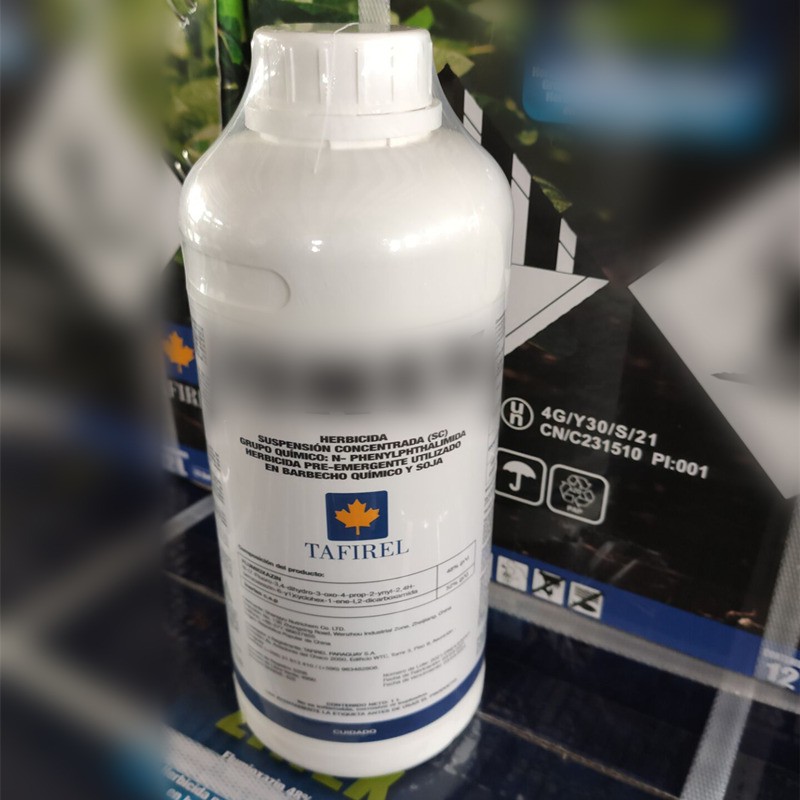
Our Thiamethoxam Product - Thiamethoxam 350G/L SC
We offer a high - quality thiamethoxam product called Thiamethoxam 350G/L SC. This formulation is designed to be easy to use and highly effective against a wide range of pests. It's formulated to ensure proper dispersion and adhesion on the crops, providing long - lasting protection.

The 350G/L SC (Suspension Concentrate) formulation has several advantages. It's a stable suspension, which means it won't settle or separate easily during storage and use. This ensures that the active ingredient, thiamethoxam, is evenly distributed, providing consistent pest control.
Safety Precautions
Even though thiamethoxam has relatively low acute toxicity, safety should always be a top priority. When handling our Thiamethoxam 350G/L SC product, here are some safety precautions to follow:
- Wear appropriate personal protective equipment (PPE), including gloves, goggles, and a respirator if necessary.
- Avoid direct contact with the skin, eyes, and mouth.
- Do not eat, drink, or smoke while handling the product.
- Wash your hands thoroughly after handling thiamethoxam.
- Store the product in a cool, dry place, away from food, feed, and children.
Conclusion
In conclusion, thiamethoxam has relatively low acute toxicity to mammals through oral, dermal, and inhalation routes. However, it's important to take proper safety precautions when handling this insecticide. And as a supplier, we need to be aware of the potential impact on non - target organisms, especially bees.
If you're in the market for a reliable thiamethoxam product, our Thiamethoxam 350G/L SC is a great choice. It offers effective pest control with a formulation that's easy to use and handle. If you're interested in purchasing our thiamethoxam product or have any questions, feel free to reach out to us for a detailed discussion. We're here to help you make the best decision for your pest control needs.
References
- "Thiamethoxam: A Review of Its Properties, Mode of Action, and Use in Crop Protection", Journal of Agricultural and Food Chemistry
- "Acute Toxicity Studies of Thiamethoxam in Laboratory Animals", Toxicology Research
- European Union regulations on neonicotinoid use