Hey there! As a thiacloprid supplier, I've been getting a lot of questions lately about how thiacloprid affects the development of pest eggs. So, I thought I'd sit down and write a little something to share what I know.
First off, let's talk about what thiacloprid is. Thiacloprid is a neonicotinoid insecticide. It's widely used in agriculture to control a variety of pests. It works by targeting the nervous system of insects. When pests come into contact with thiacloprid, it disrupts their nerve impulses, leading to paralysis and eventually death.
Now, when it comes to pest eggs, things get a bit more interesting. The development of pest eggs is a crucial stage in the pest life - cycle. Any interference at this stage can have a significant impact on the future pest population.
Thiacloprid can have several effects on pest eggs. One of the primary ways it affects them is through contact. When thiacloprid is applied to areas where pest eggs are present, it can penetrate the eggshell. The eggshell of pests is semi - permeable, which means certain substances can pass through it. Thiacloprid, being a chemical with the right properties, can seep into the egg.
Once inside the egg, thiacloprid starts to interfere with the normal physiological processes of the developing embryo. The embryo relies on a series of biochemical reactions to grow and develop properly. Thiacloprid disrupts these reactions by binding to specific receptors in the nervous system of the developing pest. This binding prevents the normal transmission of nerve signals, which are essential for the embryo's development.
For example, in some insect species, the embryo needs to develop a properly functioning nervous system to be able to hatch successfully. Thiacloprid can prevent the formation of key neural connections, leading to abnormal development. This can result in the embryo either dying before hatching or hatching into a weak and deformed pest that is less likely to survive in the environment.
Another way thiacloprid affects pest eggs is through its persistence in the environment. Thiacloprid has a relatively long half - life, which means it stays in the environment for a considerable amount of time after application. This is both a blessing and a curse. On one hand, it provides long - term protection against pests. On the other hand, it means that pest eggs that are laid even after the initial application can still be affected.
If a female pest lays eggs in an area where thiacloprid is present, the eggs are immediately exposed to the chemical. Even if the concentration of thiacloprid is low, it can still have a cumulative effect on the eggs over time. This can lead to a reduced hatching rate and a decrease in the overall pest population in the area.
However, it's important to note that not all pest eggs are affected equally by thiacloprid. Different pest species have different levels of susceptibility to the chemical. Some pests have evolved mechanisms to resist the effects of thiacloprid. For example, they may have a thicker eggshell that prevents thiacloprid from penetrating easily, or they may have enzymes that can break down the chemical before it causes damage.

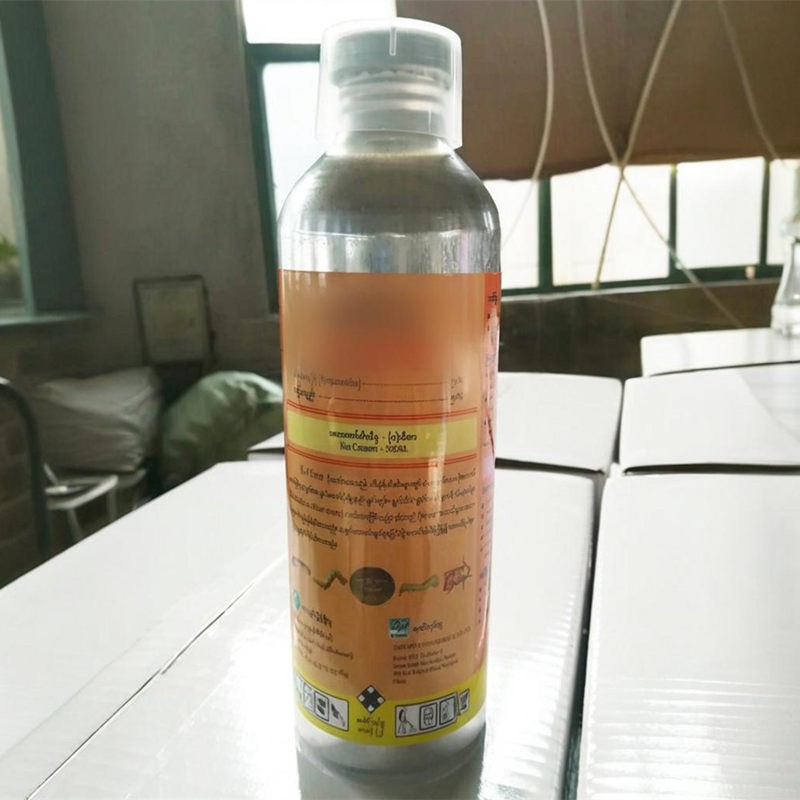
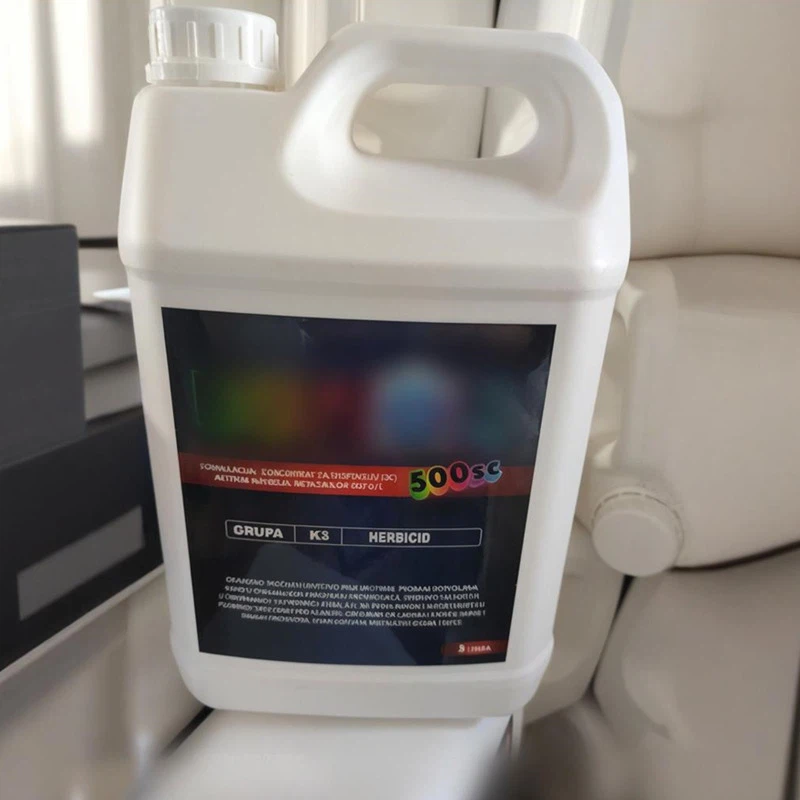
As a thiacloprid supplier, I understand the importance of using thiacloprid effectively. That's why we offer Thiacloprid 240G/L OD. This formulation is designed to provide optimal coverage and penetration, ensuring that it reaches the pest eggs and has the desired effect. It's also formulated to be environmentally friendly, with a low risk of harming non - target organisms when used as directed.
When using thiacloprid to control pest eggs, it's crucial to follow the recommended application rates and timing. Applying too little thiacloprid may not be effective, while applying too much can be wasteful and may have negative environmental impacts. It's also important to consider the life - cycle of the pests in question. For example, if you know when the pests are most likely to lay eggs, you can time your thiacloprid application to coincide with this period for maximum effectiveness.
In addition to its direct effects on pest eggs, thiacloprid can also have indirect effects on the pest population. By reducing the number of pests that hatch from eggs, it can disrupt the normal breeding patterns of the pests. This can lead to a decrease in the overall population density, which in turn can reduce the damage caused by pests to crops and other plants.
However, like any chemical, thiacloprid has its limitations. There is always a risk of pests developing resistance to the chemical over time. To combat this, it's important to use thiacloprid in rotation with other insecticides with different modes of action. This can help prevent the pests from adapting to thiacloprid and ensure its long - term effectiveness.
So, if you're dealing with a pest problem and are interested in using thiacloprid to control pest eggs, I'd love to have a chat with you. We can discuss your specific situation, the type of pests you're dealing with, and the best way to use thiacloprid for your needs. Whether you're a large - scale farmer or a home gardener, we have the products and expertise to help you.
In conclusion, thiacloprid can have a significant impact on the development of pest eggs. It can penetrate the eggshell, interfere with the embryo's development, and reduce the hatching rate. By using our Thiacloprid 240G/L OD and following proper application guidelines, you can effectively control pest populations and protect your crops and plants. If you're interested in learning more or making a purchase, don't hesitate to reach out. We're here to help you find the best solution for your pest control needs.
References
- "Neonicotinoid Insecticides: A Review of Their Global Status," by J. G. Millot et al.
- "The Effects of Insecticides on Insect Embryonic Development," in the Journal of Insect Physiology.